Following Toy Trends for Babies: A Parent’s Guide to Smart Choices
Introduction
In today’s fast-paced world, the baby toy industry is constantly evolving. Every season, new toys appear on store shelves, promoted as “must-haves” for infant development. Parents, often overwhelmed by advice from social media, parenting blogs, and well-meaning relatives, find themselves asking: *Should I follow these trends?* The answer is not a simple yes or no. While trending toys can offer valuable developmental benefits, they can also lead to unnecessary expense or even safety risks if chosen without careful thought. This article explores the key trends in baby toys, explains why they emerge, and provides practical guidance on how to follow them wisely—ensuring that your little one’s playtime is both enjoyable and beneficial.
The Evolution of Baby Toys: From Simple Rattles to Smart Devices
A Brief History
Baby toys have come a long way. For centuries, infants played with simple objects: wooden blocks, fabric dolls, or natural items like shells and stones. The primary purpose was to soothe or entertain. In the 20th century, plastic manufacturing revolutionized the toy industry, introducing colorful, mass‑produced items like stacking rings and shape sorters. These toys were designed to stimulate basic motor skills and sensory exploration.
The Digital Shift
The 21st century brought a digital revolution. Today’s baby toys often incorporate lights, sounds, sensors, and even artificial intelligence. Smart plush toys can respond to a baby’s voice, while interactive tablets for toddlers teach letters and numbers through touch screens. This shift reflects a broader cultural emphasis on early learning and STEM (Science, Technology, Engineering, Mathematics) education from birth. Parents now look for toys that promise to give their child a cognitive head start, driving trends toward “educational” playthings.
Key Trends in Baby Toys Today
1. STEM and Sensory Toys
One of the most prominent trends is the focus on STEM learning for infants. Toy brands now market products like building blocks with magnetic connectors, simple coding robots for toddlers, and water‑based science kits for babies as young as six months. Simultaneously, sensory toys—those with varied textures, sounds, and colors—remain extremely popular. These toys are designed to stimulate the developing brain through multiple senses simultaneously, supporting neural connectivity. For example, a soft rattle that also has crinkly fabric mirrors and a gentle vibration can engage a baby’s sight, hearing, and touch all at once.
2. Eco‑Friendly and Sustainable Materials
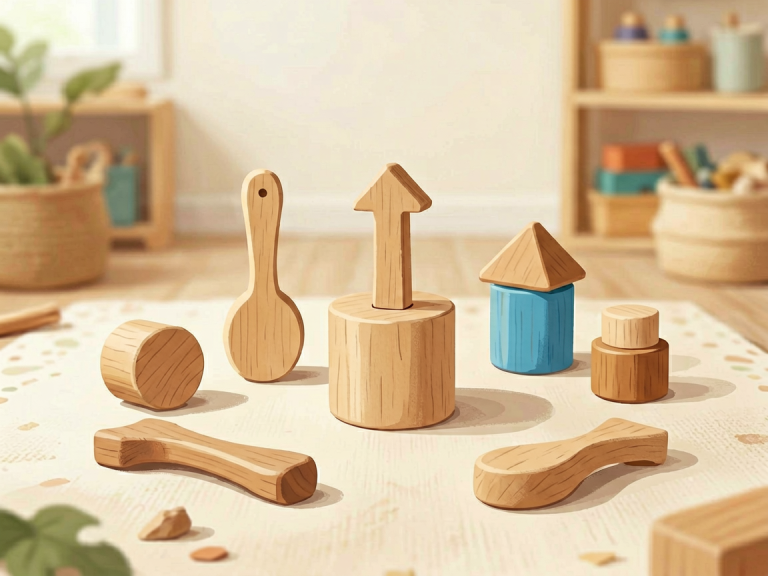
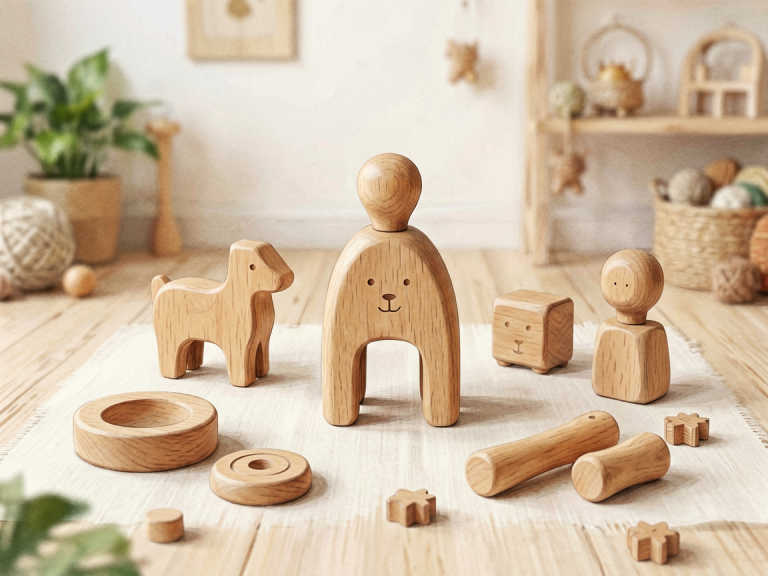
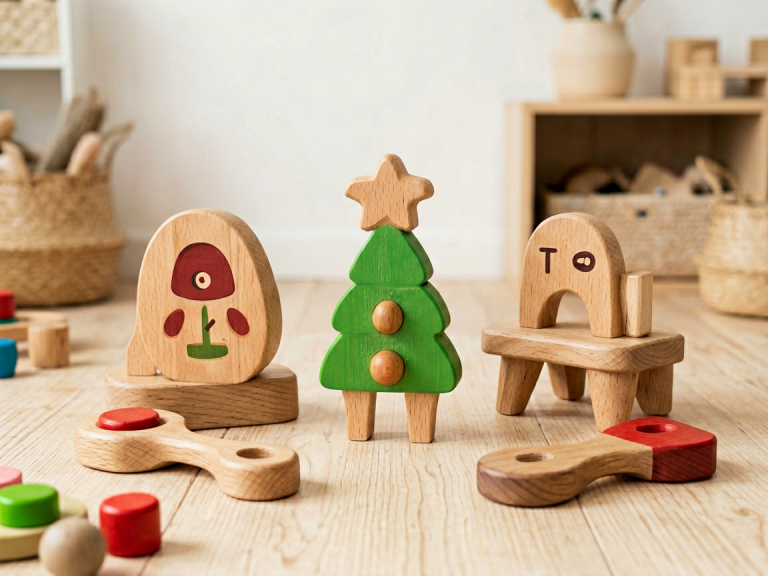
Another major trend is sustainability. As consumers become more environmentally conscious, many parents seek toys made from natural, biodegradable, or recycled materials. Wooden toys, organic cotton plush animals, and non‑toxic plant‑based plastics are increasingly preferred over conventional plastic ones. Brands are responding by creating toys that are not only safe for babies but also kind to the planet. This trend aligns with a broader parenting philosophy that values minimalism and long‑term use—many eco‑toys are designed to be passed down through siblings or donated.
3. Tech‑Integrated Interactive Toys
Voice‑activated dolls, app‑controlled learning cubes, and video‑monitored play mats are examples of tech‑infused toys. These toys often come with companion apps that allow parents to track developmental milestones or receive suggestions for interactive play. While such features can be convenient, they also raise questions about screen time and data privacy. The American Academy of Pediatrics recommends limiting digital media for children under 18 months, emphasizing that real‑world interaction remains superior for learning. Therefore, parents should use tech toys sparingly and always supervise their use.
4. Open‑Ended and Montessori‑Inspired Toys
A counter‑trend to high‑tech toys is the rise of open‑ended play items. Inspired by the Montessori method, these toys have no single “correct” way to play. Examples include simple wooden stacking rings, loose parts like fabric scraps or safe household objects, and baby‑safe mirrors. The idea is to encourage creativity, problem‑solving, and independent exploration. This trend appeals to parents who want to minimize overstimulation and allow babies to learn at their own pace.
The Role of Safety and Developmental Appropriateness
Safety First
No matter how trendy a toy is, safety must always come first. Babies explore the world by putting objects in their mouths, so toys must be free from small parts that could cause choking. All materials should be non‑toxic, BPA‑free, and meet the safety standards of organizations like the Consumer Product Safety Commission (CPSC) in the US. Additionally, parents should avoid toys with long strings or cords that could pose a strangulation risk, and they should regularly check for wear and tear.
Age‑Appropriate Design
Following trends blindly can lead to buying toys that are too advanced or too simple for a baby’s developmental stage. A six‑month‑old, for example, is not ready for complex puzzles or electronic tablets with small buttons. Instead, they benefit from toys that encourage grasping, mouthing, and cause‑and‑effect learning (like a simple push‑button toy that makes a sound). Always check the manufacturer’s age recommendation, but also trust your own observations: if a toy frustrates your baby or fails to hold their attention, it may not be suitable.
How to Choose the Right Toys for Your Baby
Observe Your Baby’s Interests
Every baby is unique. Some are fascinated by sounds, others by movement or colors. Rather than buying every trending toy, spend time watching your baby play. Do they reach for shiny objects? Do they enjoy crinkly sounds? Follow their lead. You can then select a few well‑designed toys that match their current interests. This personalized approach is more effective than chasing trends.
Prioritize Quality over Quantity
Instead of accumulating a large pile of cheap, trendy toys, invest in a few high‑quality items that offer multiple ways to play. A single wooden activity cube with a bead maze, shape sorter, and spinning gears can provide hours of engagement, whereas a basket of plastic noise‑makers may quickly lose appeal. Choose toys that are durable, easy to clean, and visually appealing without being overwhelming.
Mix Classic with Modern
There is no need to abandon traditional toys. Simple blocks, cloth books, and stacking cups have stood the test of time because they support fundamental skills. Combine these classics with one or two modern trending toys—perhaps a gentle interactive projector or a set of sustainable silicone teethers. This balanced approach ensures your baby gets the benefits of innovation without missing out on the timeless elements of play.
The Impact of Trends on Parenting and Child Development
Positive Effects
Following toy trends can have several advantages. First, trends often reflect new research in child development. For instance, the recent emphasis on sensory play is backed by studies showing that rich sensory experiences enhance brain growth. Second, trending toys often come with clear educational labels, helping parents make informed choices. Finally, being part of a trend can foster a sense of community: parents share recommendations, swap toys, and discuss their babies’ reactions.
Potential Pitfalls
On the flip side, excessive focus on trends can lead to anxiety. Parents may feel pressured to buy the latest “must‑have” toy, thinking that doing so is essential for their child’s development. This can result in financial strain and clutter. Moreover, some trendy toys are overhyped and underperform, offering little more than gimmicks. Also, if a baby’s environment is filled with toys that dictate how to play (e.g., electronic toys that require specific button presses), it may limit creativity compared to open‑ended play materials.
Maintaining a Healthy Perspective
The key is to use trends as a tool, not a rule. When you come across a trending baby toy, ask yourself: *Does this toy align with my baby’s current needs? Is it safe? Will it encourage active play rather than passive observation?* If the answer is yes, consider adding it to your collection. If not, feel free to skip it. Remember, the most important “toy” for a baby is a loving, attentive caregiver who interacts with them through talking, singing, and simple games.
Conclusion
Following toy trends for babies can be a fun and informative way to discover new products that support your little one’s growth. From STEM‑focused gadgets to eco‑friendly wooden blocks, the array of choices today is vast. However, trends should never overshadow the fundamentals: safety, developmental appropriateness, and the joy of genuine play. By staying curious, doing a little research, and trusting your own observations, you can navigate the world of baby toys with confidence. Your baby does not need the flashiest or most expensive toys—they need you, a few thoughtful playthings, and plenty of time to explore the world around them. So go ahead, follow a trend or two, but always keep your baby’s unique smile as your ultimate guide.