The Hidden Costs of Buying Cheap Plastic Toys for 8-Year-Olds
The Temptation of Low-Cost Convenience
Walking down the aisle of a discount store or scrolling through an online marketplace, parents of 8-year-olds are often confronted with an overwhelming array of brightly colored, low-priced plastic toys. Action figures, playsets, vehicles, and novelty gadgets can cost as little as a few dollars, making them an almost irresistible impulse purchase. For a child who has just finished a long school week or behaved well on a shopping trip, a cheap plastic toy feels like a small reward that causes no immediate financial pain. The logic seems simple: the child is happy, the price is negligible, and the parent feels like a hero for five minutes. Yet beneath this surface-level satisfaction lies a complex web of consequences that affect not only the child's development and the family budget but also the environment and global manufacturing ethics. Understanding why we buy these toys, what they actually cost, and how they shape an 8-year-old's relationship with play is essential for any parent navigating the modern consumer landscape.
The Psychology of Cheap Plastic Toys and Child Development
The Appeal of Instant Gratification
At age eight, children are in a developmental sweet spot: they have outgrown toddler toys but are not yet fully immersed in digital entertainment. They crave novelty, ownership, and the social currency that comes with possessing the latest character from a movie or television show. Cheap plastic toys exploit this craving by offering immediate satisfaction at a low price point. A child sees a brightly packaged figure of their favorite superhero on a store shelf, and within minutes, a parent can hand over a few coins to make it theirs. This transaction reinforces a pattern of instant gratification, teaching the child that desire and fulfillment should be separated by only the briefest of intervals. Over time, this can erode patience, reduce appreciation for items earned through effort, and create a habit of constant consumption. Psychologists have noted that children who regularly receive cheap, disposable toys tend to value them less, often breaking them within hours and immediately asking for the next one. The cycle becomes self-perpetuating, with the child learning that toys are not objects of lasting joy but rather temporary distractions that must be replaced.
The Impact on Creativity and Imaginative Play
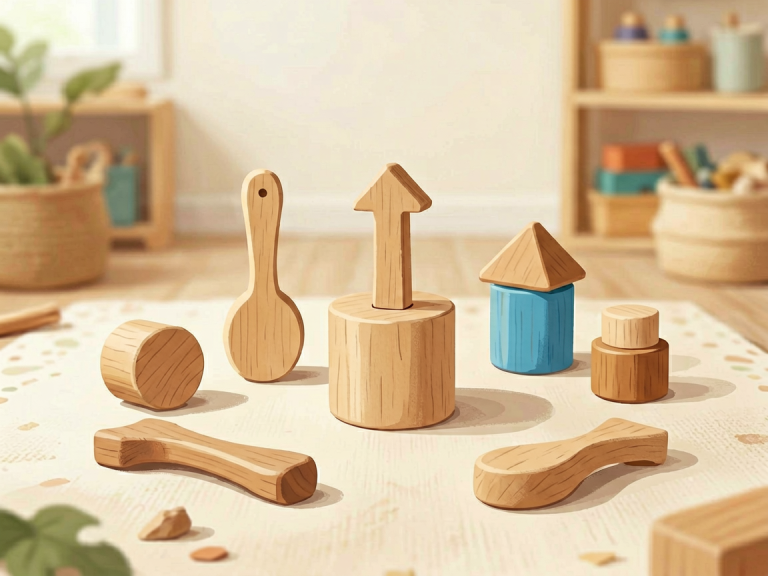
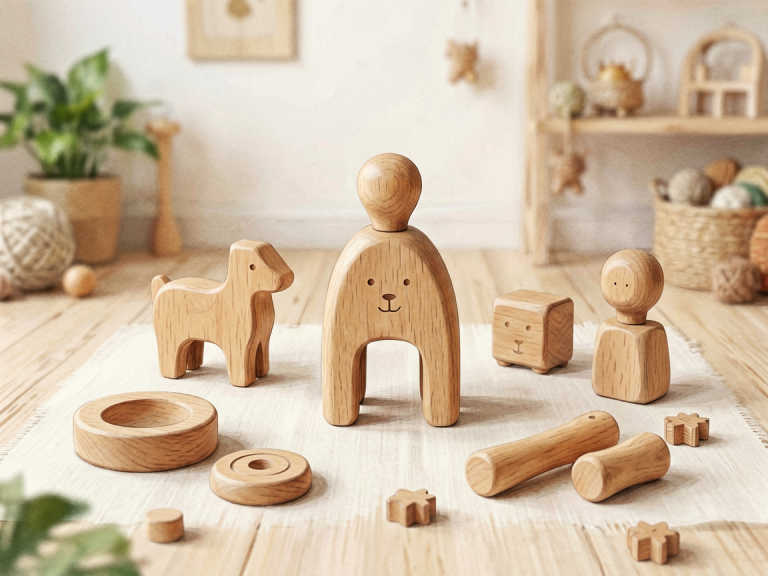
Not all cheap plastic toys are created equal, but a significant portion are what experts call "passive toys": they do something on their own—flash, make noise, move in a predetermined way—and require little input from the child. For an 8-year-old, whose cognitive and social skills are developing rapidly, passive play offers limited benefits. Compare a cheap plastic robot that walks forward and repeats a scripted phrase to a set of simple wooden blocks or a cardboard box. The robot entertains for a few minutes; the blocks invite hours of creative construction, problem-solving, and storytelling. When a child's toy collection is dominated by cheap plastic items that do everything for them, the child's own imagination may atrophy. They become spectators to their own play rather than active creators. Eight-year-olds are at an ideal age to engage in complex pretend play, to build worlds, to negotiate rules with friends, and to experiment with cause and effect. Cheap plastic toys that are fragile, poorly designed, or tied to a single licensed character often limit these opportunities. The superhero figure can only perform the moves from the movie; the plastic car only rolls forward. There is no room for reinterpretation, repair, or adaptation.
The Environmental and Health Concerns of Cheap Plastic
The Toxicity of Low-Quality Materials
One of the least visible but most alarming aspects of buying cheap plastic toys is what they are made of. To keep manufacturing costs near zero, many inexpensive toys are produced using plastics that contain phthalates, lead, cadmium, and other hazardous substances. While regulatory bodies in many countries have set limits on these chemicals, enforcement is inconsistent, especially for toys imported from regions with lax standards. An 8-year-old is not a baby who puts everything in their mouth, but they still touch their toys constantly, handle them while eating, and sometimes chew on them absentmindedly. The cumulative effect of low-level exposure to endocrine disruptors and heavy metals is a subject of ongoing research and concern. Skin rashes, headaches, and behavioral changes have been linked to certain cheap plastics. Moreover, the distinctive chemical smell of a freshly unwrapped cheap plastic toy is often a telltale sign of volatile organic compounds being released into the home environment. Parents who prioritize a clean, healthy living space may unknowingly fill it with dozens of these small, synthetic sources of indoor air pollution.
The Environmental Burden of Disposable Plastic
The environmental cost of cheap plastic toys extends far beyond the moment of purchase. These toys are rarely designed for longevity. The plastic is thin, the joints are weak, and the paint scratches off easily. Within days or weeks, the toy breaks, a piece snaps off, or it simply loses its appeal. Because it was cheap, the natural instinct is to throw it away rather than repair it. Landfills around the world are now littered with the remnants of cheerful plastic figures, miniature cars, and colorful playsets that entertained children for a few hours before becoming permanent waste. Unlike natural materials such as wood or metal, plastic takes centuries to decompose, and it often breaks down into microplastics that contaminate soil and water. For the 8-year-old who is just beginning to learn about environmental stewardship, watching a parent discard broken toys without a second thought sends a powerful message: things are disposable, and convenience trumps responsibility. This lesson can shape a child's lifelong attitude toward consumption and waste.
The Financial Illusion: Cheap Toys Are Not Really Cheap
The Accumulation Trap
When a single cheap plastic toy costs only one or two dollars, it seems harmless. But over the course of a year, the purchases add up. An 8-year-old may receive or demand a cheap toy every time the family visits a store, every time a friend has a birthday party, or every time a new movie comes out. Multiply that by 52 weeks, and a family can easily spend several hundred dollars annually on items that are broken, lost, or forgotten within a month. This expense is not trivial, especially for families on a tight budget. Moreover, the constant inflow of cheap toys clutters the home, requiring storage, cleaning, and eventually disposal. Many parents find themselves battling a tide of plastic that pours in faster than it can be managed. The hidden cost is not just monetary but also psychological: the stress of clutter, the guilt of waste, and the frustration of watching children lose interest in something so quickly. In contrast, investing in a smaller number of higher-quality toys—or in experiences like museum visits, art supplies, or outdoor equipment—can provide richer, longer-lasting value without the hidden costs.
The Opportunity Cost of Missed Learning
Beyond direct financial expense, cheap plastic toys also carry an opportunity cost. Every dollar spent on a disposable toy is a dollar not spent on a book, a board game that teaches strategy, a construction set that builds spatial reasoning, or a subscription to a science kit that fosters curiosity. For an 8-year-old, the most valuable toys are those that challenge them, that require effort, and that grow with them. A cheap plastic video game controller that only works with one app is quickly outgrown; a set of magnetic tiles or a simple robotics kit can provide years of educational play. Parents often underestimate how much a child's environment shapes their cognitive development. If a room is filled with passive, low-quality plastic objects, the child's play will tend to be shallow and repetitive. If the same room contains open-ended materials and tools for creation, the child will develop problem-solving skills, patience, and inventiveness. The choice of what to buy is also a choice about what kind of learning environment to cultivate.
Making Mindful Choices as a Parent
How to Evaluate a Toy Before Buying
The easiest way to break the cycle of cheap plastic toy consumption is to adopt a simple evaluation framework before any purchase. Consider asking: Will this toy still be interesting to my child in one month? Does it require active participation, or does it merely entertain? Is it made from durable, safe materials? Can it be repaired if broken? Does it support open-ended play, or is it tied to a specific character or story? For an 8-year-old, toys that involve building, crafting, strategizing, or physical activity generally offer more developmental benefits than static figurines or electronic gadgets. Additionally, parents can involve the child in the decision-making process by explaining why a cheap toy might not be a good choice, turning the moment into a lesson about quality, value, and environmental responsibility.
Alternatives to Cheap Plastic Toys
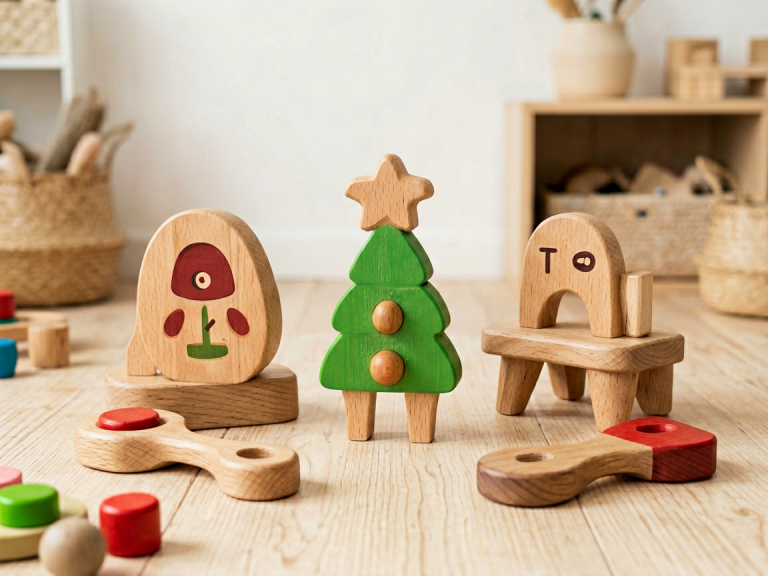
Fortunately, there is no shortage of excellent alternatives. Board games that require cooperation or strategy, art and craft supplies, building kits, puzzles, outdoor play equipment, musical instruments, and books all provide rich play experiences without the baggage of cheap plastic. Even simple household items like cardboard boxes, fabric scraps, and kitchen utensils can spark hours of imaginative play for an 8-year-old. Many parents have found success with a "one in, one out" rule: for every new toy that enters the house, an old one must be donated or recycled. This teaches the child to value what they have and to think about the life cycle of possessions. Another approach is to prioritize experiences over objects: a trip to a science museum, a nature hike, or a baking session at home creates memories that last far longer than any plastic toy.
Conclusion: Rethinking the Meaning of a Good Toy
Buying cheap plastic toys for 8-year-olds is an understandable habit in a culture that equates low price with good value. But when we examine the full picture—the effects on child development, the environmental damage, the hidden financial costs, and the missed opportunities for deeper learning—the illusion of thriftiness evaporates. The best toys are not the ones that cost the least money but the ones that cost the least in terms of imagination, attention, and planetary health. As parents, we have the power to break the cycle by choosing quality over quantity, durability over disposability, and creativity over passivity. The next time a child points to a shiny piece of plastic in a store, we can pause, breathe, and ask ourselves not "Can I afford it?" but rather "What will this toy teach my child about play, about value, and about the world?" The answer, more often than not, points us away from the cheap plastic aisle and toward something far more meaningful.