Wooden vs. Plastic Toys for Babies: A Comprehensive Guide for Mindful Parents
Introduction
The moment a new baby arrives, the world of parenting is flooded with decisions—from feeding schedules to sleep routines, and perhaps most prominently, the selection of toys. Among the countless choices, one debate has persisted for decades: should parents opt for classic wooden toys or the more ubiquitous plastic alternatives? This is not merely a question of aesthetics or nostalgia; it touches on fundamental aspects of child development, safety, environmental responsibility, and even the philosophy of early learning. For babies, whose senses are rapidly developing and whose mouths serve as primary exploration tools, every toy matters deeply. In this article, we will delve into a thorough comparison of wooden and plastic toys for babies, examining their safety profiles, developmental impacts, environmental footprints, durability, and overall value. By the end, you will have a well-rounded understanding to make an informed choice that aligns with your values and your baby’s needs.
Safety First: Material Composition and Health Risks
When it comes to babies, safety is non-negotiable. Infants explore the world through taste and touch, meaning toys often end up in their mouths. Here, the material difference is critical.
Wooden Toys and Chemical Safety
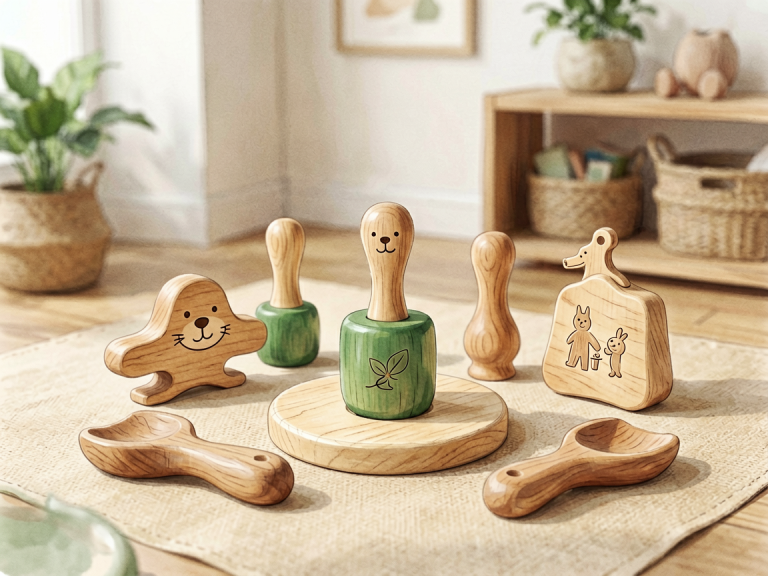
High-quality wooden toys are typically made from natural hardwoods such as beech, maple, or birch. They are often finished with non-toxic, water-based paints or simply left untreated with a smooth sanded surface. The absence of synthetic chemicals, phthalates, BPA, and PVC—common culprits in plastic manufacturing—makes wooden toys a safer choice for mouthing. However, not all wooden toys are created equal. Some cheaply manufactured versions may use paints containing lead or other heavy metals, or they may be assembled with toxic glues. Therefore, it is essential for parents to look for certifications such as EN71 (European safety standard) or ASTM F963 (U.S. standard) which ensure rigorous testing.
Plastic Toys and Potential Concerns
Plastic toys, on the other hand, are highly versatile and lightweight. But many of them, especially those produced in unregulated markets, may contain bisphenol A (BPA), phthalates (used to soften plastic), and other endocrine disruptors. These chemicals can leach out when the toy is chewed or heated. Even "BPA-free" plastics are not automatically safe, as some substitutes like BPS may have similar effects. Additionally, plastic toys often have small parts, sharp edges, or mold-release residues from manufacturing. The bright colors and shiny surfaces may be visually stimulating, but they come with a hidden risk: plastic can degrade over time, creating sharp splinters or small pieces that pose choking hazards. For babies under one year, who have a strong mouthing reflex, wooden toys generally present a lower chemical risk, provided they are well-made.
Environmental Impact: A Long-Term Perspective
The Carbon Footprint of Manufacturing
Plastic toys are derived from petroleum, a non-renewable resource. Their production involves energy-intensive processes that release greenhouse gases. Moreover, most plastic toys are not biodegradable and will persist in landfills for centuries. Even when recycled, plastics often downgrade into lower-quality materials, limiting their circularity. In contrast, wooden toys, especially those made from sustainably sourced wood (certified by FSC – Forest Stewardship Council), are renewable. Wood sequesters carbon during its growth, and the manufacturing process—especially if done with minimal processing—has a lower energy footprint. However, deforestation and transportation emissions must also be considered. Locally made wooden toys from managed forests represent the most eco-friendly option.
End-of-Life and Recyclability
When a plastic toy breaks or is outgrown, it typically ends up in the trash. Even if recycled, plastic sorting is complex, and many toys are made of mixed plastics that cannot be easily separated. Wooden toys, on the other hand, can be composted or burned for energy (if untreated) or passed down to generations. Many sturdy wooden toys survive multiple children, becoming cherished heirlooms. Repair is also easier—a wooden block can be sanded and re-oiled, while a cracked plastic car is often beyond salvage.
Developmental Benefits: How Toys Shape Growing Minds
Sensory Experience and Open-Ended Play
Wooden toys are often praised for their simplicity and sensory richness. The natural grain, weight, and subtle variations in texture provide a grounded sensory input. A wooden rattle sounds warm and organic, unlike the sharp, tinny noise of plastic. Babies learn cause and effect by feeling the resistance of wooden stacking rings or hearing the gentle clack of blocks. Wood is also warm to the touch, creating a more intimate play experience. Moreover, wooden toys tend to be open-ended: a set of building blocks can become a tower, a car, a fence, or simply a tool for balancing. This fosters creativity, problem-solving, and spatial reasoning without prescribing a single narrative.
Plastic toys, however, often come as "closed-ended" objects: a battery-operated toy that lights up and sings might have only one function. While this can be engaging for a short time, it may limit imaginative play. On the other hand, some plastic toys—like colorful nesting cups or shape sorters—offer similar open-ended potential. The key difference lies in the material’s inherent sensory neutrality: plastic lacks the tactile variety of wood, and its synthetic feel may not engage the baby’s developing neural pathways as deeply.
Motor Skills and Physical Interaction
Wooden toys are heavier, which is actually beneficial for developing gross and fine motor skills. A baby lifting a wooden block requires more effort, strengthening muscles and improving hand-eye coordination. The weight gives the baby clear proprioceptive feedback—they learn how much force to apply. Plastic toys, being lighter, may be easier to handle for very young babies, but they also provide less resistance. Wooden pull-along toys, for instance, create a satisfying resistance that encourages crawling and walking. Plastic versions may slide too easily, reducing the challenge.
Digital Distraction vs. Focus
In an era saturated with screens and beeping gadgets, the quiet simplicity of wooden toys helps babies develop concentration. A plastic toy that flashes lights and plays melodies can overstimulate a baby’s developing nervous system, leading to shorter attention spans. Wooden toys, by contrast, require the baby to bring their own imagination and energy. They teach patience and focus—virtues that are increasingly rare in modern childhood.
Durability and Longevity: Which Lasts Longer?
The Battle of Wear and Tear
Wooden toys, if constructed well, can withstand years of rough play. They do not crack easily, and if they get scratched, the patina adds character. However, wood is susceptible to water damage and can warp or split if left in moisture. Babies drool and occasionally drop toys in water, so wooden toys must be wiped dry. Plastic toys are waterproof and can be disinfected easily—a major advantage for hygiene. But plastic can become brittle over time, especially when exposed to sunlight, and its color may fade. Cheap plastic toys often break along thin joints or at snap-together parts.
Cost-Effectiveness Over Time
Quality wooden toys are generally more expensive upfront. A simple set of wooden blocks can cost $30–$60, while a comparable plastic set might be $15–$20. However, wooden toys are often sold as "heirloom quality" and can be handed down through siblings or sold second-hand. Plastic toys, even the durable ones, lose their appeal quickly as colors fade and batteries die. From a long-term investment perspective, wooden toys often provide better value per hour of play.
Practical Considerations for Parents
Cleaning and Hygiene
Plastic toys can be thrown in the dishwasher or soaked in a mild bleach solution—an advantage during cold and flu season. Wooden toys require gentler cleaning: a damp cloth and mild soap, followed by thorough drying. Some parents worry that wood’s porous surface might harbor bacteria. In reality, untreated wood has natural antimicrobial properties, but if a baby chews on a wooden toy repeatedly, it is wise to regularly wipe it down with a non-toxic cleaner.
Weight and Portability
Plastic toys are lighter, making them convenient for diaper bags, travel, or hanging from a play gym. Wooden toys can be heavy—a large wooden activity cube is not easily moved from room to room. However, many parents find that the weight of wooden toys adds stability; they don’t tip over as easily when a baby is learning to stand.
Aesthetic and Home Environment
Finally, many parents choose wooden toys for their natural beauty. Wooden toys blend seamlessly with a modern or minimalist nursery, while bright, loud plastic toys can clash with décor. This might seem superficial, but in a home filled with toys, a cohesive aesthetic can reduce visual clutter and create a calmer environment for both baby and parent.
Conclusion: Choosing What’s Best for Your Baby
There is no single "right" answer. Both wooden and plastic toys have their place in a baby’s world. The optimal approach is a thoughtful balance: prioritize high-quality, non-toxic wooden toys for the toys that will be mouthed most often—teethers, rattles, blocks, and simple shape sorters. For toys that require batteries or complex mechanical functions (e.g., interactive music tables), carefully selected plastic toys with safety certifications can be acceptable. Always check for small parts, sharp edges, and recalls. Ultimately, the best toy for a baby is one that sparks curiosity, encourages movement, and is safe. The material is merely a factor, but an important one. As parents, our job is to create an environment that nurtures development while protecting our children and the planet they will inherit. Wooden toys, when responsibly sourced, align beautifully with these goals. Plastic toys, when necessary, should be chosen with scrutiny. Let your baby’s natural play patterns guide you—and remember that a cardboard box can sometimes be the greatest toy of all.