The Unexpected Pitfall: Why Buying Too Many Toys Is a Mistake Parents Often Make
Introduction: The Allure of the Toy Aisle
It starts innocently enough. A child’s eyes light up when they spot a brightly colored action figure in the store window. You remember that glow from your own childhood, and you want to give that same joy to your little one. Birthdays, holidays, or just a random Tuesday—the temptation to buy one more toy is almost irresistible. In modern parenting, toys have become symbols of love, achievement, and entertainment. We tell ourselves that a new puzzle will sharpen their minds, or a set of building blocks will spark creativity. But what happens when the closet overflows, the playroom resembles a warehouse, and the child still complains of boredom? The truth is, buying too many toys is not just a harmless indulgence; it is a mistake that can undermine a child’s development, strain family finances, and create stress for everyone involved. This article explores why this common parenting error occurs, its hidden consequences, and how to replace the habit with healthier alternatives.
The Allure of More: Why We Keep Buying
1. Misguided Generosity and Guilt
Many parents buy excessive toys out of a deep, well-intentioned love. In a busy world where parents often work long hours, toys become a quick way to compensate for missed time together. A child asks for a remote-controlled car, and saying “yes” feels easier than setting a boundary. Some parents grew up with very few possessions themselves and want to spare their children that feeling of scarcity. Others fall into the trap of competitive parenting: seeing a neighbor’s child with the latest gadget triggers a fear that their own child will feel left out. The result is a mountain of plastic that quickly loses its appeal.
2. The Marketing Machine
Toy companies are masters of psychology. They create “collectible” series that thrive on the “need to collect them all.” They release tie-ins with blockbuster movies, ensuring that children feel a sense of urgency. Colorful packaging, flashing lights, and catchy jingles are designed to override a parent’s rational thinking. Even the most disciplined shopper can be swayed by a “limited edition” display. The advertising industry has normalized the idea that newer, bigger, and more are always better, even when the evidence suggests otherwise.
3. The Myth of Educational Value
Another powerful driver is the belief that every toy must teach something. Parents see a toy labeled “STEM” or “educational” and feel obligated to buy it, assuming it will boost their child’s IQ. The market is flooded with so-called learning toys, many of which are overpriced and over-promised. In reality, a simple cardboard box can teach more about physics and creativity than a battery-operated gadget that does all the work. But the fear of missing out on cognitive development convinces parents to keep adding to the collection, often ignoring the fact that the most effective learning happens through unstructured, child-led play—not through a shelf full of specialized toys.
The Hidden Costs of an Overstuffed Toy Box
1. Diminished Attention Span and Deep Play
When a child is surrounded by fifty different options, the brain struggles to focus. Research in child development shows that an abundance of choices leads to shallow play. A child picks up a doll, sees a train set, drops the doll, then spots a puzzle, and never fully engages with any single item. The brain’s reward system becomes desensitized; the child needs increasingly novel stimulation to feel entertained. This pattern can lay the groundwork for attention difficulties later in life. In contrast, a child with only a few well-chosen toys learns to explore deeper—building complex narratives, problem-solving with limited resources, and experiencing the satisfaction of mastery.
2. Stifled Creativity and Resourcefulness
Creativity thrives under constraints. The most imaginative play I have ever observed occurred in a room with a heap of old blankets and a stack of wooden blocks. Children turned those items into castles, spaceships, and secret hideouts. But when the playroom is filled with pre-designed, single-purpose toys, the imagination is short-circuited. A toy that already looks like a race car leaves little room for the child to imagine it as something else. Excessive toys teach children to rely on external stimulation rather than their inner creativity. They become passive consumers of entertainment instead of active creators of their own worlds.
3. The Erosion of Gratitude and Appreciation
There is a well-known psychological principle called the “hedonic adaptation”: people quickly become accustomed to new pleasures, so the happiness fades. A child who receives a new toy every few days never learns to savor or value their possessions. Gratitude is a muscle that must be exercised; it grows when a child waits, wishes, and finally receives something after effort or patience. When toys are too abundant, they become disposable. A broken toy is easily replaced, so the child learns neither responsibility nor appreciation. Over time, this can develop into a sense of entitlement that extends beyond toys into other areas of life.
4. Financial Stress and Environmental Impact
On a practical level, the cost of constantly buying toys adds up quickly. Many families spend hundreds or even thousands of dollars annually on toys that are soon forgotten. That money could have gone toward experiences—trips to the park, museum memberships, or even a college savings fund. Moreover, the environmental footprint is staggering. Most toys are made of plastic, often contain batteries, and are not recyclable. They end up in landfills or oceans, contributing to pollution. Teaching children to consume mindfully is a valuable lesson for their future, and for the planet.
How to Break the Cycle: A Smarter Approach to Play
1. Embrace the Principle of “Fewer, Better”
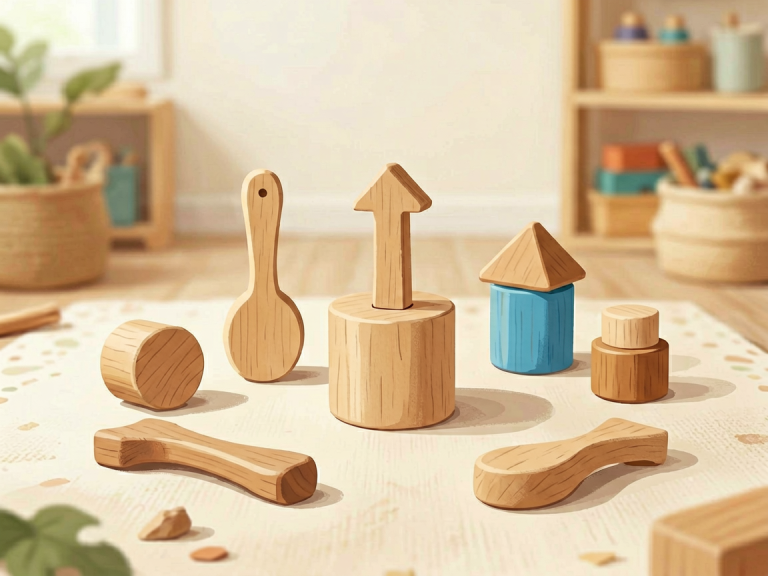
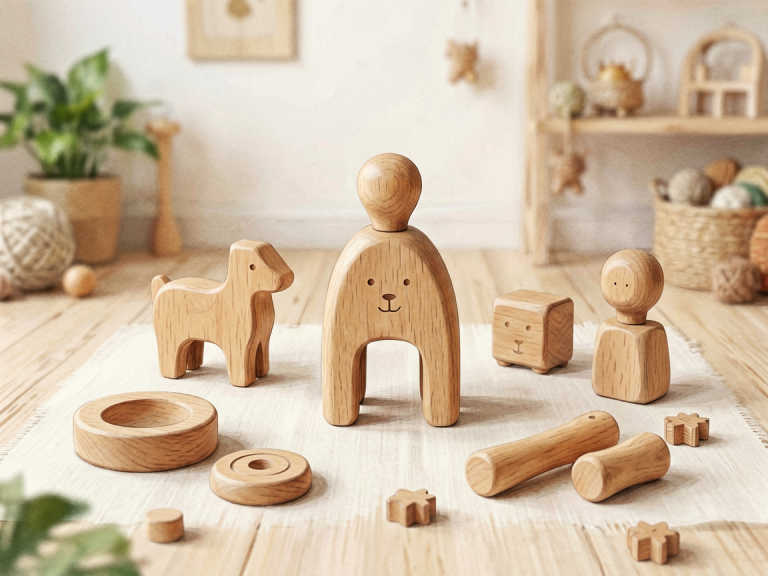
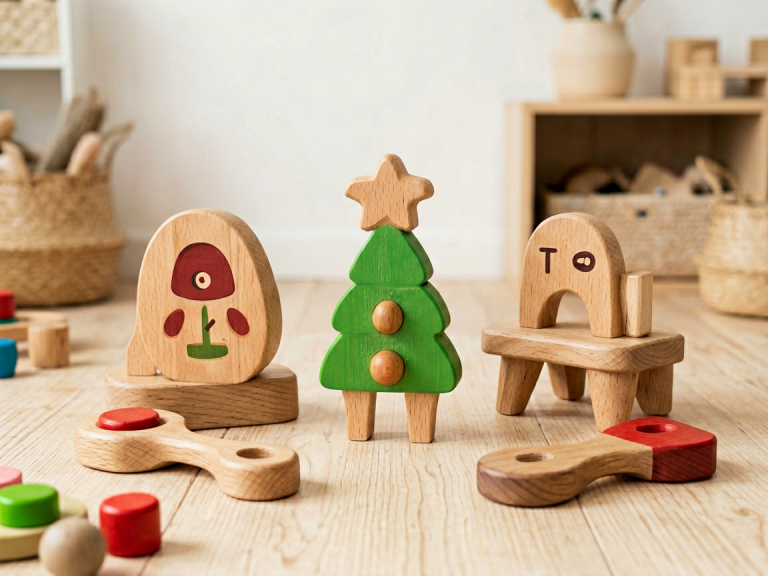
Instead of filling the toy box with quantity, curate a selection of high-quality, open-ended toys. Classic items like wooden blocks, art supplies, simple dolls, and dress-up clothes can be used in countless ways. A good rule of thumb is the “20-toy rule”: keep no more than 20 toys accessible at any time, and rotate them seasonally. Rotating toys keeps them fresh and exciting without adding new purchases. When a “banned” toy reappears after three months, the child greets it like an old friend.
2. Prioritize Experiences Over Objects
Shift the family culture away from material gifts and toward experiential presents. A trip to the zoo, a cooking class, a camping weekend, or a subscription to a children’s magazine can create memories that last far longer than the latest action figure. For birthdays and holidays, consider asking grandparents and friends to contribute to a “experience fund.” Children may initially resist, but over time they learn to value time together and the joy of discovery over the fleeting thrill of unwrapping.
3. Teach the Art of Waiting and Wish Lists
Delayed gratification is a powerful life skill. Encourage your child to create a wish list and wait at least a week before purchasing any non-essential toy. Teach them to save their allowance for things they truly want. When they finally buy that toy with their own money, they will treasure it more. For younger children, simply setting a rule like “one new toy per month” (excluding birthday/holiday gifts) can dramatically reduce clutter and increase appreciation.
4. Model Mindful Consumption
Children learn more from what we do than what we say. If you constantly browse online stores, bring home new gadgets, or declutter by throwing things away without thought, your child will mimic that behavior. Instead, talk openly about why you are choosing not to buy something. Involve children in donation decisions—explain that another child might love a toy they have outgrown. This builds empathy and reduces the emotional attachment to stuff.
5. Embrace Boredom as a Gift
In our hyper-stimulated world, a child saying “I’m bored” is often seen as a problem to be solved with a new toy or screen. Resist that urge. Boredom is the birthplace of creativity. Let your child sit with the feeling. Provide basic art supplies, access to the backyard, and permission to be idle. Magnificent inventions—forts, stories, games—emerge from the fertile soil of boredom. By not rushing to fill every moment with a purchased distraction, you teach resilience and self-entertainment.
Conclusion: Less Is Truly More
The mistake of buying too many toys is not born from malice but from love, anxiety, and cultural pressure. Recognizing this error does not mean becoming a joyless parent who denies every request. It means making a conscious choice to prioritize depth over quantity, experiences over objects, and connection over consumption. A child does not need a room full of toys to be happy; they need a parent who plays with them, the freedom to invent, and the time to daydream. When we stop using toys as a substitute for our presence and start treating them as tools for genuine engagement, we give our children something far more valuable than any store-bought gift: the skill of finding joy in simplicity. So next time you reach for that shopping cart, pause. Ask yourself: is this toy going to enrich my child’s world, or just fill their closet? The answer might surprise you—and it might just change your home for the better.