The Ultimate Toy Storage Systems Review for Parents: Organize, Declutter, and Simplify Your Home
Introduction
Every parent knows the struggle: toys seem to multiply overnight, spreading from the playroom to the living room, bedrooms, and even the kitchen. Without a smart storage system, your home can quickly feel chaotic, and your child’s playtime can become overwhelming rather than inspiring. A well-chosen toy storage system does more than just hide the mess—it teaches children responsibility, encourages independent play, and makes daily clean-up a breeze. In this comprehensive review, we’ll explore the most popular types of toy storage systems on the market, weigh their pros and cons, and help you decide which solution best fits your family’s needs. Whether you’re dealing with a small apartment, a sprawling house, or a Montessori-inspired playroom, this guide has you covered.
—
Why Toy Storage Matters for Parents and Kids
Before diving into specific products, it’s important to understand why intentional storage is a game-changer. For parents, a cluttered environment increases stress and makes it harder to maintain a tidy home. For children, an organized space supports cognitive development by reducing visual noise and helping them focus. When toys have a designated home, kids learn categorization, responsibility, and the satisfaction of completing a task. Moreover, good storage can extend the life of toys by protecting them from damage or loss. In short, investing in a thoughtful storage system is an investment in your family’s daily well-being.
—
Types of Toy Storage Systems
The market offers a dizzying array of options, each with distinct advantages. Below, we break down the main categories.
Open Bins and Baskets
Open bins are the simplest and most versatile solution. They come in fabric, wicker, plastic, or metal, and can be placed on shelves, inside cubbies, or on the floor.
- Pros: Easy for toddlers to access and put toys away without lids or complicated mechanisms. Lightweight and often affordable. Great for bulky items like stuffed animals or building blocks.
- Cons: Can look messy if not regularly tidied; dust accumulates quickly; not ideal for very small pieces unless you use smaller bins inside larger ones.
- Best for: Families with young children who need quick, low-fuss cleanup. Also perfect for rotating toys in a Montessori setting.
Cubbies and Shelving Units
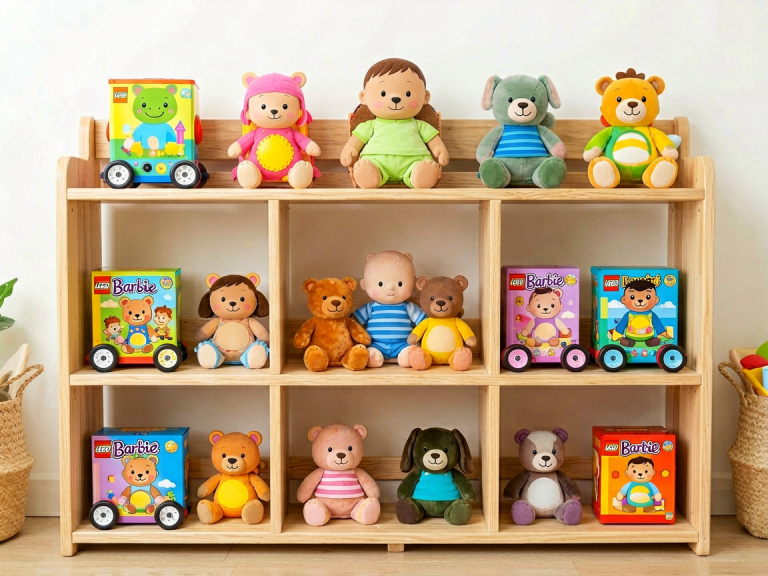
Cubbie-style units (like the ubiquitous IKEA Kallax or simpler wooden shelves) combine multiple compartments. Each cubby can hold a bin, a basket, or be used as a display shelf.
- Pros: Highly customizable; you can mix bins, books, and decorative elements. Sturdy and often affordable. Encourages categorizing (e.g., one cubby for cars, one for puzzles).
- Cons: Can be bulky; if not anchored to the wall, they pose a tipping hazard for climbing toddlers. Some units have sharp corners.
- Best for: Families who want a permanent, modular system that grows with the child. Great for organizing collections by type.
Toy Chests and Trunks
The classic toy box is a nostalgic favorite. Modern versions often feature safety hinges, slow-closing lids, and even lockable mechanisms.
- Pros: Large capacity to hide everything at once; doubles as seating or décor. Simple, one-step cleanup.
- Cons: Deep bins make it easy for toys to get lost at the bottom; heavy lids can pinch little fingers (choose one with a safety hinge). Not ideal for encouraging sorting or categorization.
- Best for: A living room or bedroom where you want a quick hiding solution, or as a secondary bin for extra stuffed toys.
Modular Storage Systems (e.g., IKEA Trofast, Kallax, or custom-built systems)
These are the darlings of the parenting world. Systems like IKEA Trofast come with slide-out plastic bins in various sizes; Kallax offers open cubes that can be accessorized with bins, doors, or inserts.
- Pros: Extremely flexible—you can add more units as your collection grows. Trofast’s slanted bins allow easy viewing from the top; Kallax can be laid horizontally or vertically. Many have a clean, modern look.
- Cons: Assembly required; Trofast bins can be pricey if you need many. Some units have sharp edges if not finished properly.
- Best for: Parents who love organization that can adapt over time. Ideal for playrooms where you want to display some items while hiding others.
Closet Organizers and Hanging Storage
Over-the-door hanging organizers, closet rod systems, or fabric shelving units turn unused vertical space into toy storage.
- Pros: Zero floor footprint; great for small spaces. Hanging shoe organizers are perfect for small cars, action figures, or art supplies.
- Cons: Limited weight capacity; items can fall out when you open the door. Not suitable for larger toys.
- Best for: Apartments or bedrooms with limited square footage. Useful for storing craft supplies or small-part collections.
Rolling Carts and Caddies
Three-tier rolling carts (like those from IKEA Råskog or similar) or caddies with handles can be wheeled from room to room.
- Pros: Portable—take toys from the playroom to the living room to the yard. Clear or colored bins let you see contents easily.
- Cons: Small capacity; not great for large toys. Tiers can be too shallow for bigger items.
- Best for: Families with multiple play areas or for storing art supplies, books, or small toys that need to travel.
—
Key Features to Consider When Choosing
Not all storage systems are created equal. Here’s what to look for to ensure safety, durability, and long-term value:
- Safety: Avoid units with sharp edges, heavy lids without stays, or unstable designs. Anchor every tall unit to the wall. Check for non-toxic paints and materials, especially for young children who mouth items.
- Accessibility: Can your child reach and return toys independently? Low, open bins are best for toddlers; deeper chests can frustrate them.
- Durability: Plastic bins may crack, fabric bins lose shape. Wood or metal frames last longer. Consider daily use and potential rough handling.
- Aesthetics: Storage should complement your home décor, not clash. Neutral colors, natural wood, or white units blend easily.
- Flexibility: Look for systems that allow you to change bin sizes, add shelves, or convert as your child’s needs evolve.
- Ease of Cleaning: Removable and washable bin liners are a lifesaver. Avoid deep fabric bins that trap crumbs and dust.
—
Top Recommendations for Different Needs
Every family has unique constraints. Here are curated picks based on common scenarios.
Best for Small Spaces
The over-the-door hanging organizer (e.g., Mesh hanging shoe rack with clear pockets) is a space-saving hero. Alternatively, a narrow 3-tier rolling cart can fit into a closet or beside a desk. For tiny rooms, a wall-mounted pegboard with small buckets offers vertical storage without floor clutter.
Best for Large Toy Collections
A modular cubby system like IKEA Kallax (8-cube or larger) combined with fabric bins and a few open shelves allows you to store hundreds of items. Pair it with a large toy chest for oversized stuffed animals or blankets. Another excellent option is the Trofast system with multiple slide-out bins; you can label each bin to create a “library” of toy categories.
Best for Montessori/Open-Ended Play
Montessori philosophy emphasizes low, open shelving where children can see all choices. A low wooden cube shelf (without bins) displays toys like puzzles, wooden blocks, and art materials at child height. Add a few small trays or baskets for loose parts. Avoid anything that hides items—transparency is key.
Best Budget-Friendly Options
You don’t need to spend a fortune. Cardboard magazine files (covered in pretty paper) work well for small cars and dolls. Dollar-store plastic bins in a simple wire rack can be just as effective as expensive systems. Another hack: use plastic under-bed storage boxes for seasonal toys or rotation bins. The most affordable “system” might be a repurposed bookshelf from a thrift store, painted to match your décor.
—
Tips for Getting Kids to Help with Clean-Up
A storage system is only as good as the habit it supports. Here’s how to make tidying up a team effort:
- Label everything. Use pictures for non-readers, words for older kids. Clear labels reduce confusion.
- Make it a game. Set a timer, sing a cleanup song, or race to see who can put away the most items.
- Limit the number of toys out. Rotate toys weekly so your child isn’t overwhelmed. Less choice leads to deeper play and easier cleanup.
- Model the behavior. Children mimic what they see. When you tidy your own things, they will follow.
- Praise effort, not perfection. Celebrate when they put one block away; gradual consistency builds independence.
—
Conclusion
Choosing the right toy storage system is a deeply personal decision that depends on your home size, your child’s age, and your aesthetic preferences. There is no one-size-fits-all solution, but the options we’ve reviewed—open bins, cubbies, modular systems, and more—offer a starting point. Remember that the best system is the one your family will actually use. Start by assessing your biggest pain point: Is it the daily clutter? The lost puzzle pieces? The tripping hazard in the hallway? Then match that need to a storage type. With the right setup, you’ll not only reclaim your living space but also give your child the tools to develop lifelong organizational skills. Happy organizing!