The Great Toy Divide: Cheap vs. Expensive Toys and Their Real Impact on Childhood Development
Introduction
When parents walk into a toy store, they are immediately confronted with a staggering price spectrum. On one end sits a plastic whistle for 99 cents, on the other a handcrafted wooden train set that costs a small fortune. The debate over cheap versus expensive toys is as old as the modern toy industry itself, yet it remains one of the most emotionally charged and practically confusing decisions a caregiver can face. Some believe that expensive toys—with their sophisticated electronics, branded characters, and promises of educational enrichment—are superior investments. Others champion cheap toys as the unsung heroes of creativity, resilience, and unfettered play. This article examines both sides of the coin, digging into the psychological, developmental, and economic dimensions of toy choice. The goal is not to declare a winner, but to equip parents with a nuanced understanding so that they can make informed decisions that truly serve their children’s growth.
The Allure of Expensive Toys: Quality, Safety, and Promised Learning
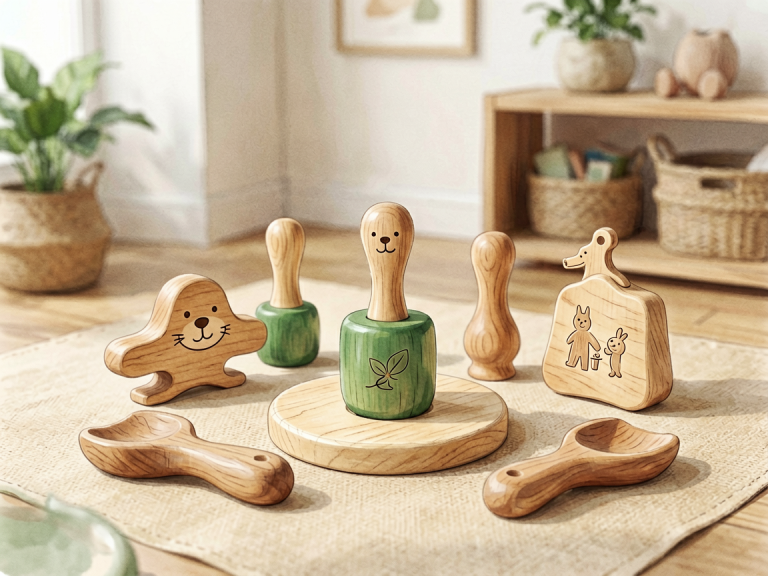
Expensive toys often come with a constellation of perceived benefits that justify their price tags. First and foremost is the issue of durability and safety. Premium brands such as Melissa & Doug, LEGO (the non‑generic sets), or Montessori‑certified wooden toys are typically crafted from non‑toxic materials, have rounded edges, and undergo rigorous safety testing. A cheap toy that costs a dollar may break into sharp plastic shards after a week, while a well‑made wooden puzzle can survive years of toddler tossing. For parents concerned about lead paint, choking hazards, or phthalates, the extra expense feels like an insurance policy.
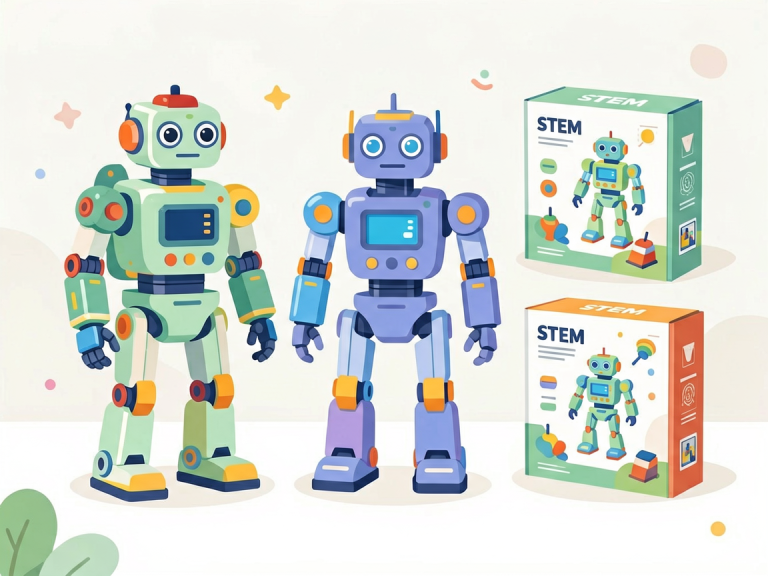
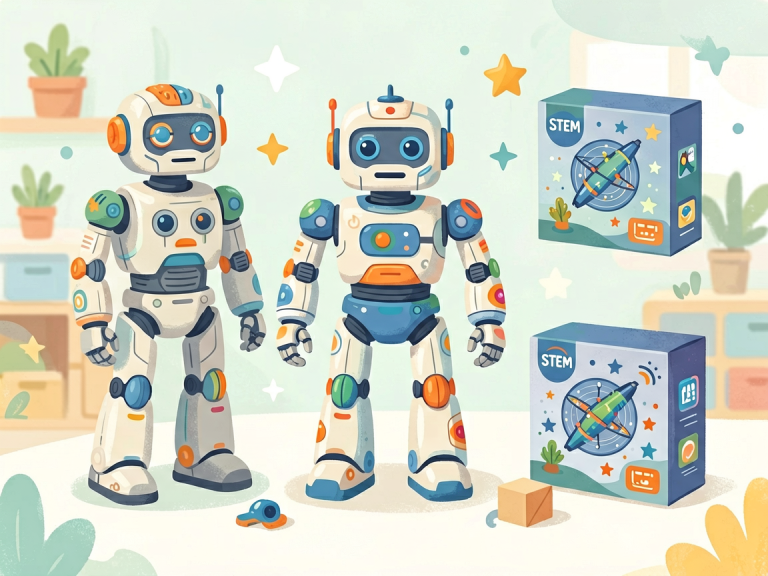
Another major selling point is the promise of educational value. Many expensive toys are designed with pedagogical theories in mind. A science kit from a reputable company might come with real test tubes, a working microscope, and instruction booklets that align with school curricula. Similarly, interactive electronic toys—such as tablet‑like devices that teach phonics or math—are marketed as tools to give children a head start. While research on the long‑term cognitive benefits of such toys is mixed, the perception that money buys intelligence remains powerful.
Brand loyalty and emotional attachment also play a role. A child who receives an authentic Disney princess castle or a remote‑controlled car from a famous brand may derive a special sense of pride or status. Expensive toys can become family heirlooms, passed down to younger siblings, while cheap toys are often tossed into the landfill. However, this line of reasoning must be weighed against the risk of entitlement and consumerism, a point we will revisit later.
The Underappreciated Genius of Cheap Toys: Creativity, Simplicity, and Accessibility
On the surface, cheap toys seem like the poorer cousin—literally. But developmental psychologists and early‑childhood educators have long championed the virtues of simple, inexpensive playthings. A cardboard box, a set of plastic cups, a ball of yarn, or a handful of dollar‑store dinosaurs can spark more creative engagement than a flashy, battery‑operated robot. Why? Because cheap toys are often “open‑ended.” They do not dictate a single way to play. A child can turn a plastic spoon into a scepter, a microphone, a digging tool, or a sword. In contrast, an expensive toy that requires pressing specific buttons to produce pre‑recorded sounds leaves little room for imagination.
Furthermore, cheap toys reduce the anxiety of mess and breakage. When a child knows that a toy cost only a dollar, they feel freer to experiment—to take it apart, paint it, bury it in the sandbox, or use it in a water table. This freedom is crucial for developing problem‑solving skills, fine motor control, and even emotional regulation. Expensive toys, by their very nature, come with unspoken rules: “Be careful!” “Don’t drop it!” “It’s not for outdoor play!” These constraints can inadvertently inhibit exploration.
Affordability also promotes social equity in play. A child whose family can only afford budget toys is not at a developmental disadvantage—in fact, they may be developing resourcefulness that their wealthier peers lack. Cheap toys level the playing field: a 50‑cent jump rope offers the same physical benefits as a designer version, and a simple deck of cards can yield hours of mathematical and social learning. When children visit friends’ houses, they bond over generic toys like plastic building blocks, not over the price tags.
The Hidden Costs of Each Approach: Safety, Sustainability, and Parental Guilt
Cheap toys are not without their dark side. The “toxic toy” scandal of the early 2000s, in which lead‑painted toys from low‑cost manufacturers were recalled en masse, reminds us that extreme cheapness can come at the cost of children’s health. Additionally, cheap toys are often produced under poor labor conditions and with materials that harm the environment. They break quickly, contributing to the global plastic waste crisis. A parent buying 20 cheap toys a year may ultimately spend more money and generate more trash than if they had invested in five durable high‑quality items.
On the flip side, expensive toys can create a culture of over‑protection and materialism. A child who is given too many expensive gifts may come to associate love with monetary value. They may also experience anxiety if a pricey toy gets lost or damaged. Parents themselves often feel guilt: “I spent $80 on this, and she only played with it for three days!” The pressure to make every toy count can strip the joy out of play.
Another hidden cost is the opportunity cost of time. Many expensive electronic toys are designed to be “babysitting tools” that keep children occupied with minimal adult involvement. While this may be convenient, research suggests that the highest‑quality interactions happen when a caregiver engages in pretend play with cheap or no toys at all. A blanket fort, a game of tag, or a shared story cost nothing but yield rich developmental dividends.
What the Research Says: The Science of Play and Toy Choice
Numerous studies in developmental psychology have examined toy preferences and outcomes. A 2019 study published in *JAMA Pediatrics* found that toddlers who played with electronic toys—the kind that flash lights and talk—exhibited fewer verbal interactions with their parents compared to those playing with traditional wooden blocks or picture books. The researchers concluded that the “richer” the toy’s features, the less the child had to work cognitively, and the less dialogue was generated. Cheap, simple toys, by contrast, forced children to invent scenarios and seek out social interaction.
Another study from the University of Rochester looked at the role of “toy fidelity” in creative play. Children given high‑fidelity toy police cars (realistic replicas with sirens and lights) engaged in less imaginative storytelling than children given low‑fidelity toy cars (simple, non‑detailed shapes). The open‑ended nature of cheap toys invited children to construct narratives, problem‑solve, and collaborate. Expensive toys, especially those tied to popular media franchises, often come with a pre‑packaged script: “I’m the good guy, you’re the bad guy.” This can limit narrative flexibility.
Yet expensive toys can be beneficial in specific contexts. For example, a high‑quality musical instrument (like a real xylophone rather than a cheap plastic toy with terrible tone) can foster genuine musical interest. Similarly, a well‑designed science kit with accurate materials can support inquiry‑based learning. The key, as many researchers note, is not the price tag but the degree of open‑endedness, the potential for social interaction, and the alignment with the child’s developmental stage.
Practical Recommendations: A Balanced Toy Box
Given the evidence, the wisest approach is not to choose one side exclusively but to curate a balanced toy environment. Here are concrete suggestions for parents and caregivers:
- Prioritize open‑ended cheap toys. Items like building blocks, balls, art supplies, empty containers, fabric scraps, and simple puzzles offer endless possibilities. They do not need to be expensive: thrift stores, garage sales, and even household recycling bins are treasure troves.
- Invest selectively in durable, safe expensive toys. A good wooden train set, a quality children’s microscope, or a well‑made bicycle can last for years and be passed down. Before buying, ask: “Will this toy still be engaging in six months? Can it be used in multiple ways? Does it encourage active rather than passive play?”
- Avoid the trap of “flash over function.” Be wary of toys that require batteries, sing songs, or have limited modes of interaction. These often lose their appeal after the initial novelty wears off.
- Teach children the value of repair and reuse. Whether a toy is cheap or expensive, learning to fix a broken item—glueing a plastic piece back together, sewing a stuffed animal’s seam—builds resilience and environmental consciousness.
- Limit the total number of toys. Research in child development and minimalism consistently shows that children with fewer toys play more creatively, focus longer, and fight less with siblings. A mix of five to ten well‑chosen cheap and moderately expensive toys is far superior to a cluttered playroom.
- Remember the ultimate “toy”: parental attention. No store‑bought item, cheap or expensive, can replace the developmental power of a caregiver’s engaged presence. A parent reading a story, building a fort, or simply sitting on the floor and following the child’s lead is the most valuable “toy” of all.
Conclusion
The debate between cheap and expensive toys is not a simple contest of good versus bad. Cheap toys can be liberating, fostering creativity, resilience, and social equity. Expensive toys can offer safety, longevity, and specific educational benefits when chosen wisely. The real enemy is not the price point but the mindset: the belief that spending more money automatically guarantees better development, or that cheap toys are inherently worthless. A child who grows up with a thoughtful, carefully curated collection—one that includes both a cardboard box and a quality wooden train set—will have the best of both worlds. They will learn that value does not come from a price tag, but from imagination, engagement, and love. In the end, the greatest gift any adult can give a child is not a toy at all, but the time and freedom to play. And that, happily, is free.