Top 5 Safe and Developmental Alternatives to Magnetic Tiles for 18-Month-Olds
Introduction: Why Skip Magnetic Tiles for Now?
If you’ve browsed toy aisles or parenting blogs recently, you’ve surely seen magnetic tiles — those colorful, translucent plastic squares and triangles that click together to build towers, houses, and castles. They are beloved by preschoolers and older children for their open-ended nature and ability to teach STEM concepts. However, for parents of an 18-month-old, magnetic tiles are not the best choice. At this age, toddlers explore the world primarily through mouthing, dropping, and banging objects. The small magnets inside magnetic tiles can pose a serious choking hazard if swallowed (especially if a tile cracks), and the powerful magnets themselves can cause intestinal damage if multiple are ingested. Furthermore, an 18-month-old lacks the fine motor control to snap pieces together reliably, leading to frustration.
Instead of rushing into magnetic tiles, consider alternatives that are safer, more age-appropriate, and equally stimulating for a toddler’s developing brain and body. The best toys for this age support sensory exploration, cause-and-effect learning, gross and fine motor skills, and early problem-solving — all without the risks. Below are five excellent alternatives that will delight your 18-month-old and help them grow.
## 1. Wooden Building Blocks: The Timeless Classic
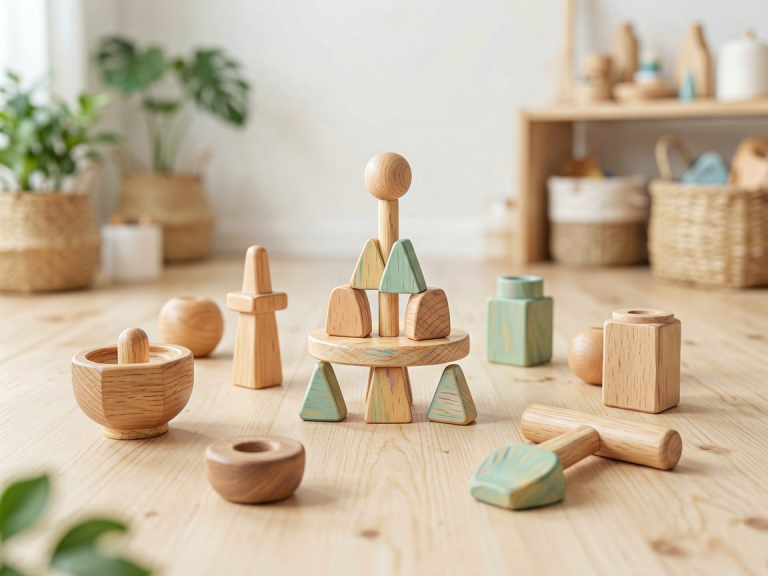
Wooden blocks are perhaps the most obvious and valuable alternative to magnetic tiles. Unlike magnetic tiles, which require precise alignment to connect, wooden blocks stack simply by balancing one on top of another. This allows an 18-month-old to practice hand-eye coordination and develop an understanding of gravity and balance. The natural weight and texture of wood provide rich sensory feedback — a smooth surface, a satisfying clunk when dropped, and a variety of shapes (cubes, rectangles, half-circles, arches).
Safety is paramount: choose blocks that are large enough to prevent choking (at least 1.5 inches in any dimension) and finished with non-toxic, water-based paint or left unpainted. Sets with 20 to 40 pieces are ideal. Your toddler will begin by carrying blocks around, banging them together, and perhaps attempting to stack two. Over the next few months, they will progress to three- and four-block towers. This process encourages persistence and delight in knocking things down — a favorite game that teaches cause and effect. Wooden blocks also foster imagination; a block can be a phone, a car, or a piece of cake. Because they are open-ended, they grow with your child, remaining engaging well into the preschool years.
## 2. Soft Foam Blocks: Safe for Tumbling and Mouthing
For the most cautious parents, soft foam blocks are a dream alternative. Made from dense, lightweight foam (often EVA or PE foam), these blocks are completely squishable and pose no danger of injury if your toddler falls onto them or hurls them across the room. They are also easy to grasp by small hands and are typically large enough to eliminate choking risks. Many sets come with colorful patterns, numbers, or animal faces printed on the sides, adding an early literacy or numeracy component.
Soft blocks are especially suitable for 18-month-olds who are still in the “mouth everything” stage (though always supervise mouthing, even with safe materials). The foam is gentle on emerging teeth and gums. Additionally, these blocks are quiet — a bonus for parents tired of noisy plastic toys. Use them to build a soft castle, create a low stepping-stone path, or simply let your toddler throw and retrieve them as they practice standing and walking. Because foam blocks are lightweight, they lack the stacking stability of wooden blocks, but this very impermanence teaches toddlers that things fall apart and can be rebuilt — a gentle lesson in resilience.
## 3. Stacking Rings and Nesting Cups: Simple but Powerful
Stacking rings and nesting cups are classic developmental toys that every 18-month-old should have. Unlike magnetic tiles, which require a two-handed pinch and an understanding of magnetic polarity, stacking rings simply slide onto a central post. The challenge lies in choosing the correct order of rings (largest to smallest), which introduces spatial reasoning and size differentiation. Many sets have rings with different textures (smooth, bumpy, ribbed) to stimulate tactile exploration.
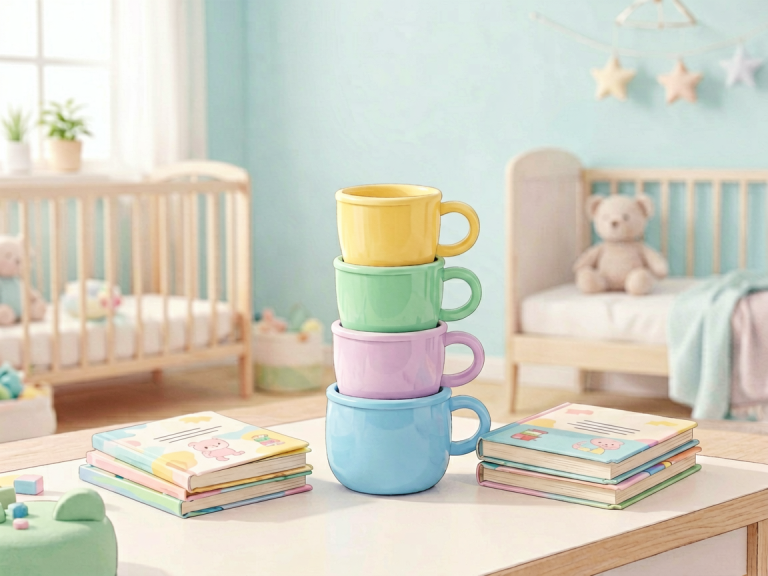
Nesting cups, on the other hand, fit inside one another. Toddlers love the discovery that small cups can hide inside larger ones. This activity develops the concept of “inside/outside” and encourages problem-solving: “Which cup goes first? How do I get them apart?” Both stacking rings and nesting cups are made of plastic or silicone and are easy to clean. They are also safe — no small parts, no magnets. The repetitive action of stacking, toppling, and restacking builds focus and fine motor control. Some sets even have holes in the bottom for water or sand play, extending their use to bath time or the sandbox. For an 18-month-old, these toys offer a perfect balance of challenge and success.
## 4. Large Interlocking Plastic Blocks (e.g., DUPLO or Mega Bloks)
If you are eager to introduce your toddler to a construction toy that resembles magnetic tiles but is far safer, look to large interlocking plastic blocks like LEGO DUPLO or Mega Bloks. These bricks are designed specifically for children aged 18 months and up. They are about twice the size of standard LEGO bricks, making them too large to swallow, and they click together with gentle pressure — no need for strong fingers. An 18-month-old can easily press two blocks together and pull them apart, experiencing the satisfaction of “sticking” things that mimics the appeal of magnets.
The key difference from magnetic tiles is that DUPLO blocks are solid and cannot pop open to reveal small magnets. They are also made from durable, BPA-free plastic that withstands chewing (though again, supervise). Start with a basic set of 10–30 pieces in bright primary colors. Your toddler will likely begin by stacking blocks vertically, then progress to building simple walls or towers. DUPLO offers themed sets with animals, vehicles, and people, but for an 18-month-old, the basic bricks are sufficient. The act of pushing blocks together strengthens hand muscles and bilateral coordination. Moreover, these blocks are compatible with standard LEGO, so they integrate seamlessly into older sibling play later on.
## 5. Sensory Balls and Textured Objects: Tactile Exploration
Sometimes the best alternative to a structured building toy is no building at all. For 18-month-olds, sensory play is crucial for brain development. A collection of sensory balls — some with bumps, some with ridges, some made of soft fabric, others of smooth rubber — offers endless fascination. Your toddler can roll, throw, catch, and explore each ball using hands, feet, and mouth. This type of play strengthens gross motor skills (chasing a rolling ball) and fine motor skills (grasping and squeezing).
Why consider sensory balls as an alternative to magnetic tiles? Because both toys engage a child in active, exploratory learning. But sensory balls eliminate any risk of small parts or magnets. They are also inexpensive and can be used outdoors, in the tub, or during tummy time. Look for balls that are lightweight, easy to clean, and free of phthalates. Some sets include balls that rattle or jingle, adding an auditory component. For an even richer experience, create a “sensory basket” with a few balls, a silicone teether, a crinkly fabric square, and a wooden rattle. This open-ended collection allows your 18-month-old to choose what to investigate, fostering independence and concentration.
## Conclusion: Prioritize Safety and Developmental Stage
Choosing the right toys for an 18-month-old is about matching their current abilities, interests, and safety needs. Magnetic tiles, while wonderful for older children, bring unnecessary risks at this age — choking hazards from both magnets and plastic shards, frustration from difficult connections, and a lack of sensory variety. The alternatives described above — wooden blocks, soft foam blocks, stacking rings/nesting cups, large interlocking plastic bricks, and sensory balls — each offer unique developmental benefits without compromising safety.
Remember that the best toy for an 18-month-old is one that encourages active play, simple problem-solving, and joyful repetition. Let your child lead the way: if they show interest in stacking, offer blocks; if they prefer rolling and touching, go with sensory balls. Rotate toys every few days to maintain novelty. And always supervise playtime, even with the safest toys. By choosing age-appropriate alternatives, you are not only protecting your little one but also laying a strong foundation for future learning, creativity, and motor development. The magnetic tiles can wait — your toddler’s growing brain will thank you.