The Silent Playroom: A Comprehensive Guide on How to Avoid Buying Noisy Toys
—
Introduction: Why Silence Matters in Childhood Development
The modern toy market is a cacophony of beeps, buzzes, clicks, and shrieks. From electronic learning tablets that blast out instructions to plastic trucks that roar like jet engines, many toys today are designed with noise as a primary feature. While parents often assume that louder toys are more engaging or educational, the reality is far more complex. Excessive noise from toys can have lasting negative effects on children’s hearing, attention spans, language development, and even their emotional regulation. Moreover, the constant assault of sound contributes to parental stress and disrupts household peace. Yet, avoiding noisy toys does not mean depriving children of fun or stimulation. It means making informed, intentional choices that prioritize quality of play over volume. This article will walk you through the critical steps—from understanding noise level standards to employing practical testing methods—so that you can fill your child’s playroom with toys that spark creativity without causing hearing damage or household chaos.
—
The Hidden Dangers of Noisy Toys: What Every Parent Should Know
Before learning how to avoid noisy toys, it is essential to understand why noise matters. Many parents assume that if a toy is sold in a reputable store, it must be safe. Unfortunately, this is not always the case. Research has shown that certain toys can produce sound levels as high as 120 decibels—comparable to a jet engine at close range. The World Health Organization (WHO) recommends that children not be exposed to sounds above 75 decibels for extended periods, yet many toys exceed this limit. Prolonged exposure to loud toys can lead to noise-induced hearing loss (NIHL), which is irreversible. Unlike adults, young children cannot easily articulate discomfort or remove themselves from a noisy environment; they may simply continue playing, unaware of the damage accumulating in their ears. Moreover, constant background noise from toys can hinder a child’s ability to focus, process language, and develop phonological awareness—skills crucial for reading and communication. Psychologically, overstimulation from loud toys can lead to irritability, sleep disturbances, and even anxiety in sensitive children. Recognizing these dangers is the first step toward becoming a conscientious toy buyer.
—
Decoding Toy Labels: How to Interpret Noise Warnings and Certifications
One of the most effective strategies for avoiding noisy toys is learning to read labels and packaging with a critical eye. In many countries, toys are required to undergo acoustic testing under standards such as EN 71 (European Standard for Toy Safety) or ASTM F963 (American Standard). These standards set maximum permissible sound levels for toys based on their intended use—for example, toys held close to the ear (like toy phones or whistles) must produce no more than 60 decibels, while other toys may go up to 85 decibels. However, the catch is that these standards are often voluntary or poorly enforced, especially for imported products sold online. Therefore, look for explicit labeling that states “low noise” or “sound tested.” Some manufacturers include a decibel rating on the packaging; if the number is 85 dB or higher, consider it a red flag. Also, be wary of toys that claim to be “educational” simply because they make sounds—noisy does not equal instructive. If a toy has batteries or speakers, assume it will be loud and investigate further. In the absence of clear labeling, rely on your own senses and the testing methods described in the next section.
—
The Five-Second Test: Practical Techniques to Evaluate Noise Before Purchase
Nothing beats a hands-on, ears-on inspection. Before you buy any toy, you should perform what I call the “Five-Second Test.” First, if the toy is displayed in a store, press the button or activate the sound mechanism (with permission from staff if needed). Hold the toy at arm’s length, as a child normally would. Close your eyes if necessary to focus purely on the sound. Does it sound sharp, piercing, or uncomfortably loud? If it makes you wince even from that distance, it is almost certainly too loud for a child. Many toys that seem acceptable in a noisy store environment become deafening at home. Second, pay attention to the *quality* of the sound. A soft, melodic tone is far less irritating than a high-pitched buzz or shrill electronic melody. Some toys have adjustable volume controls—these are a huge plus. If a toy has a volume slider, always test it at the lowest setting. If the lowest setting is still too loud, put the toy back on the shelf. Third, for toys that produce continuous sound (like a music box or a battery-operated drum), time how long it takes for the sound to become annoying. If you feel relief when you stop it, imagine how a child who plays for twenty minutes might feel. Finally, do not be afraid to open the battery compartment. Some toys allow you to remove the speaker wire or tape over the speaker to muffle the sound. However, this is a workaround, not a solution; it is better to choose a toy that is quiet by design. Remember, the Five-Second Test applies equally to secondhand toys, gifts, and purchases from online marketplaces—always listen before you commit.
—
Choosing Quiet Alternatives: High-Engagement, Low-Noise Toy Categories
Avoiding noisy toys does not mean sacrificing entertainment or developmental value. In fact, some of the most beloved and beneficial toys are inherently quiet. Here are several categories that offer rich play experiences without the decibel assault:
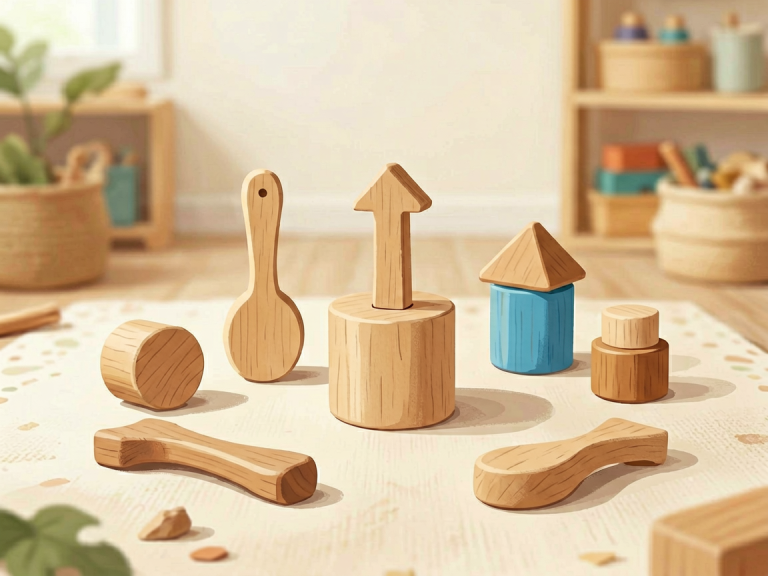
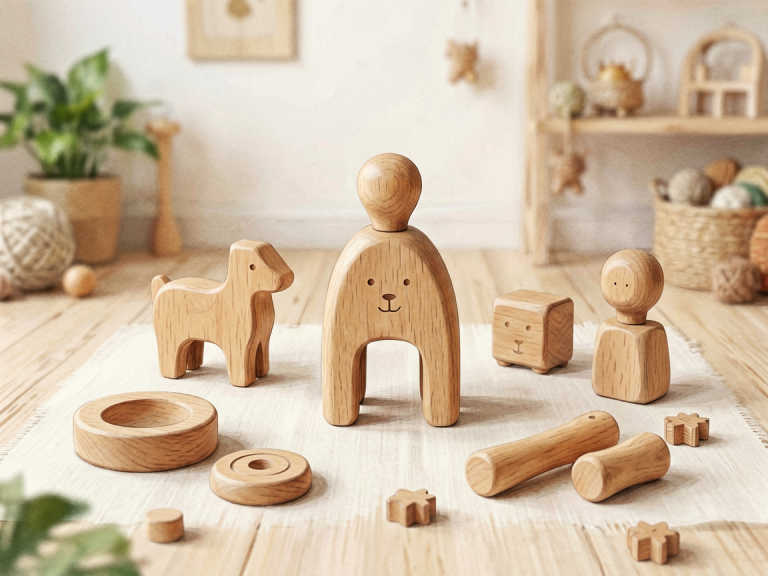
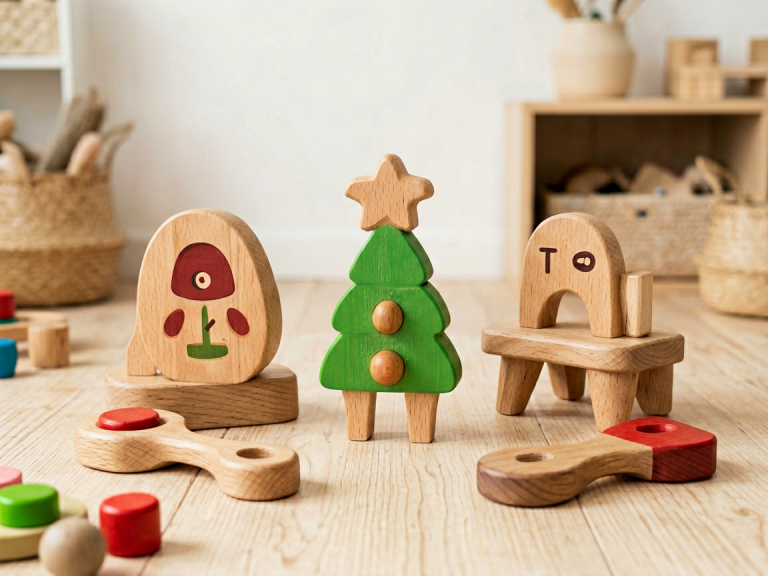
1. Wooden Blocks and Construction Sets: These classics encourage spatial reasoning, fine motor skills, and open-ended creativity. They produce soft clunks and clicks—sounds that are rhythmic rather than jarring. Look for unfinished or natural wood blocks to minimize chemical off-gassing and noise. Magnetic building tiles are another excellent option; they snap together with a gentle “click” that is satisfying without being overpowering.
2. Silicone and Fabric Teethers and Sensory Toys: For babies and toddlers, rubbery teething rings, fabric crinkle books, and soft plush toys provide tactile stimulation without batteries. Many sensory toys now incorporate gentle rattles or bell sounds that are safe—just shake them yourself to ensure the rattle is soft, not harsh.
3. Art Supplies and Craft Kits: Crayons, washable markers, play dough, stickers, and water painting mats require zero sound emissions and offer endless opportunities for self-expression. They also promote quiet, focused play—a welcome alternative to the electrifying noise of many modern toys.
4. Board Games and Puzzles: These classics promote social interaction, strategy, and patience. While some board games come with sound effects, many modern versions offer silent play or have optional sound modes. Card games, dominoes, and classic strategy games like chess or checkers are completely silent.
5. Books and Storytelling Aids: Audio books, touch-and-feel books, and simple picture books are inherently quiet. If you want interactive books that produce sounds, look for those with a gentle whisper or melodic voice instead of high-pitched beeps. Alternatively, encourage imaginative storytelling using puppets or figurines—these spark dialogue without any mechanical noise.
6. Outdoor and Gross Motor Toys: Balls, jump ropes, scooters, and balance bikes encourage physical activity and are naturally quiet. By reducing the number of indoor electronic toys, you also create more space for active, noise-free play.
When in doubt, remember that children often prefer toys that require them to *produce* the sounds themselves—through singing, talking, or playing make-believe—rather than toys that impose sounds on them. This kind of active participation is far more beneficial for cognitive and language development.
—
The Art of Taming Noisy Toys: Modifications and Volume Control Hacks
Even the most careful parent may occasionally receive or inherit a noisy toy. Before you throw it away (or hide it), consider whether you can modify it to reduce its sound output. This is not only economical but also teaches children about problem-solving and repurposing. Here are some tried-and-tested hacks:
- Speaker Tape: Use a small piece of clear office tape or electrical tape to cover the speaker grille. This acts as a baffle and can reduce volume by up to 50% without distorting the sound quality. Be careful not to cover the speaker entirely if it causes overheating, but a single layer usually works wonders.
- Volume Knob Installation: For toys with internal wiring, you can solder a simple potentiometer (variable resistor) into the speaker circuit. This is an advanced hack best left to electronics hobbyists, but it turns a loud toy into a volume-adjustable one.
- Battery Removal: Some toys have two modes: normal and silent. Check the manufacturer’s instructions. If there is a “demo” or “try me” mode, it may be louder than the normal setting. Simply removing batteries and adding a cotton ball inside the battery compartment (to prevent rattling) can turn many noisy electronic toys into quiet ones—though you lose the sound altogether.
- Replacement with Quiet Parts: If a toy has a squeaker or a clicker that is too loud, you can sometimes replace it with a softer alternative. For example, a plastic squeaker in a toy hammer can be removed and replaced with a piece of soft foam.
- Strategic Placement: If you cannot modify the toy, you can control the noise by limiting play sessions to specific times (e.g., morning instead of right before bedtime) or to specific areas like a playroom with sound-absorbing rugs and curtains. Outdoor play also naturally muffles noise.
Always supervise any modifications, especially those involving batteries or wires. For very young children, it is safer to simply remove the toy from the rotation or donate it.
—
Creating a “Quiet Play” Philosophy at Home: Habits That Last
Ultimately, the most sustainable way to avoid buying noisy toys is to establish a family culture that values quiet, imaginative play. This starts with the parents. When you shop for toys, make a mental list of the sounds each toy will introduce into your home. Ask yourself: “Will this toy make my child’s play richer, or will it just add more background noise?” You can also set a “no batteries” rule for most purchases. Battery-operated toys are the primary source of excessive noise; if you limit them to one or two per child, you dramatically reduce the auditory clutter.
Additionally, involve your child in the selection process. Teach them about different sounds and why some are too loud for their ears. Many older children (ages 4 and up) can understand the concept of protecting their hearing and may even help you test toys at the store. By making them part of the decision, you empower them to become conscious consumers themselves.
Finally, remember that the goal is not to eliminate all noise—children naturally make noise through laughter, babbling, and play. The goal is to eliminate *mechanical*, *repetitive*, and *harmful* noise. A household that embraces quiet moments, storytelling, and gentle activities is one where children can learn to listen—to themselves, to others, and to the world around them.
—
Conclusion: The Sound of Healthy Play
Avoiding noisy toys is not about creating a sterile, silent environment. It is about curating a playroom that supports hearing health, concentration, and meaningful interaction. By understanding the risks, reading labels carefully, testing toys before purchase, choosing quiet alternatives, and learning simple modifications, parents can take control of the acoustic landscape of their home. The result is a more peaceful, focused, and developmentally rich childhood—one where the sweetest sounds are the laughter of a child exploring their own imagination, not the beep of a plastic gadget. So next time you reach for a toy, listen first. Your child’s ears will thank you, and your sanity will, too.