The Hidden Costs of Overflowing Toy Boxes: Why Parents Should Limit Toys
In a consumer-driven world, the temptation to shower children with toys is nearly irresistible. Bright advertisements, peer pressure, and the genuine desire to see a child’s face light up combine to create a culture of accumulation. Yet a growing body of developmental psychology, environmental ethics, and practical household wisdom suggests that less is truly more. When parents buy too many toys, they inadvertently rob their children of deeper benefits: sustained attention, authentic creativity, emotional regulation, and a healthy relationship with material possessions. This article explores five compelling reasons why parents should avoid the trap of excessive toy buying and instead embrace mindful minimalism.
The Paradox of Choice: How Too Many Toys Overwhelm Children’s Minds
Psychological research has long demonstrated that an abundance of options does not increase happiness—it increases anxiety. In the famous “jam study” by Iyengar and Lepper, shoppers who faced 24 varieties of jam were less likely to purchase any than those who saw only six. Children experience the same paradox of choice. When a playroom is buried under dozens of dolls, action figures, building blocks, and electronic gadgets, the child’s developing brain struggles to focus. Instead of engaging deeply with one toy, they flit from object to object, their attention fragmented and their play shallow. This constant switching trains the brain to expect novelty every few minutes, weakening the neural pathways that support sustained concentration—a skill essential for later academic success and lifelong learning. Moreover, overwhelmed children often become irritable or frustrated, demanding yet another new toy to escape the boredom that actually stems from having too many. The result is a vicious cycle: more toys lead to less satisfaction, prompting parents to buy even more.
Fostering Impaired Creativity and Imaginative Play
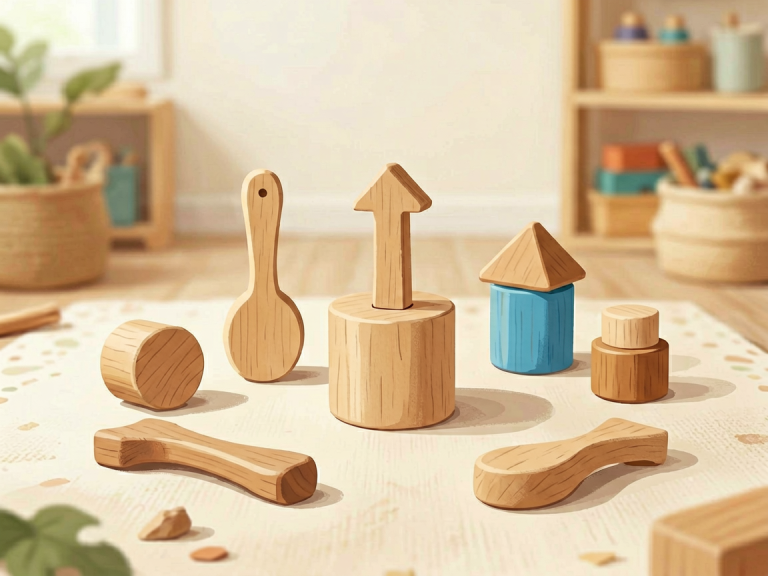
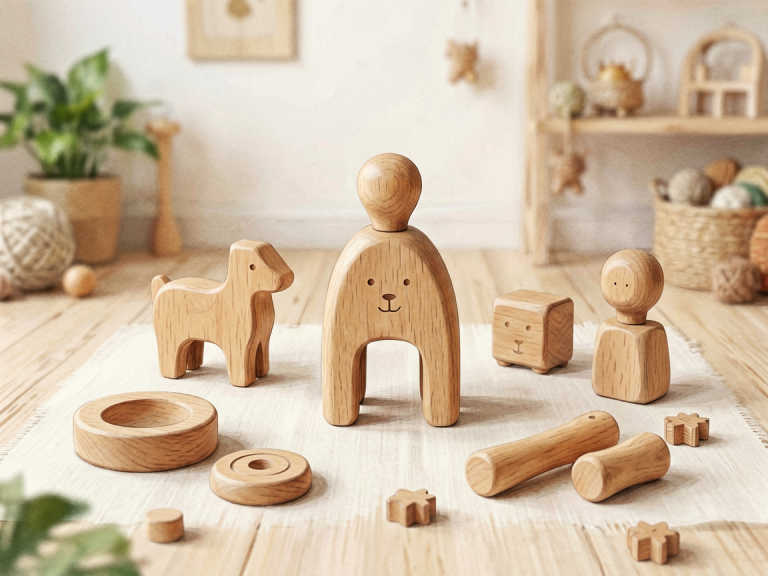
True creativity emerges from constraints. A cardboard box, a handful of pebbles, or a simple wooden block can become a rocket ship, a castle, or a time machine in the hands of a child who has to invent uses for limited resources. But when a child is surrounded by hyper-realistic, pre-programmed toys—talking dolls that recite fixed phrases, electronic cars that drive themselves, or playsets with molded plastic accessories—the imagination is given little room to operate. The toy does the work for the child, turning play into passive consumption rather than active creation. Studies in early childhood education consistently show that children with fewer, open-ended toys engage in longer, more complex pretend play. They create narratives, solve problems, and develop social scripts as they negotiate roles with siblings or friends. In contrast, children with an excess of specialized toys often merely shuffle from one predetermined activity to the next, missing out on the cognitive flexibility that unstructured play cultivates. Parents who restrict toys to a curated selection—such as building blocks, art supplies, and dress-up clothes—are actually giving their children a richer developmental environment.
The Environmental and Financial Burden of Excessive Toy Consumption
Beyond the child’s psyche, the issue extends to the planet and the family budget. The global toy industry churns out billions of units each year, most made from non-biodegradable plastics that will languish in landfills for centuries. Many toys are packaged in layers of cardboard and shrink-wrap, and they often contain batteries, magnets, or small parts that complicate recycling. A child may outgrow a toy in weeks or even days, yet the environmental cost of its production, transportation, and disposal persists for generations. Financially, the habit of buying too many toys drains resources that could be invested in experiences—museum memberships, music lessons, family trips—or saved for future education. Moreover, the constant acquisition normalizes a culture of disposability: children learn that things are cheap and replaceable, undermining any sense of stewardship. Parents who choose to buy fewer, higher-quality toys not only reduce their ecological footprint and save money but also model an intentional, sustainable lifestyle for their children.
The Social and Emotional Consequences of Toy Overload
Toys are not neutral objects; they shape how children interact with others and themselves. A child whose bedroom overflows with possessions may struggle to appreciate the value of sharing or taking turns. When every new playmate is greeted with a mountain of options, the focus shifts from the relationship to the objects. Additionally, an overabundance of toys can hinder a child’s ability to tolerate boredom—an essential emotional skill. Boredom sparks creativity, introspection, and motivation to initiate activities. But a child who is constantly bombarded with external stimulation from toys never learns to sit with their own thoughts, to imagine without props, or to find quiet contentment. This can lead to a lifelong pattern of seeking external distractions to avoid inner discomfort. Furthermore, research indicates that children from homes with moderate toy collections develop stronger social bonds with siblings and peers because they must negotiate, share limited resources, and engage in cooperative play. In contrast, children with too many toys often play in isolation, each engrossed in a separate electronic gadget or plastic play set, missing the rich interpersonal learning that comes from shared imaginative worlds.
Practical Alternatives: Quality Over Quantity
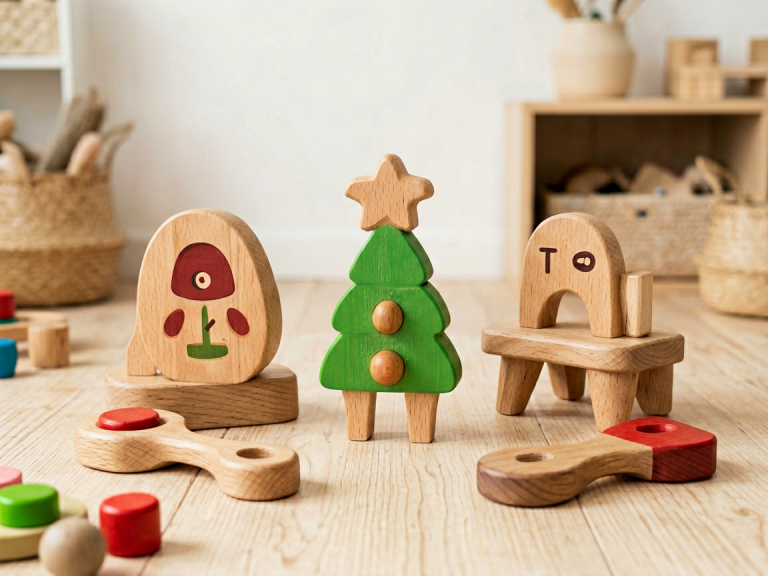
None of this means parents should deprive their children of joy. The goal is not austerity but intentionality. A well-chosen set of toys—rotated regularly—can provide endless opportunities for growth without the drawbacks of clutter. Consider adopting the “ten-toy rule”: keep only ten toys in active rotation at any given time, storing the rest out of sight and swapping them every few weeks. This restores novelty while maintaining focus. Prioritize open-ended toys: wooden blocks, magnetic tiles, art materials, play dough, and simple dolls that allow for endless variations. Resist the pressure of holiday gift lists or birthday hauls; instead, encourage relatives to contribute to a savings account for a special experience, such as a zoo membership or a weekend camping trip. Teach children to care for their belongings and even to repair broken toys, instilling a sense of responsibility. Finally, spend time playing with children using what you have—your presence, attention, and imagination are infinitely more valuable than any store-bought plaything. By choosing fewer, better toys, parents give their children the greatest gift of all: the room to grow.
Conclusion
The decision to limit toys is not an act of deprivation but one of profound generosity. It protects a child’s capacity for deep play, creativity, and emotional resilience. It lightens the environmental load and the family budget. It shifts the focus from accumulating things to nurturing relationships and experiences. In a culture that screams “more,” parents who whisper “enough” offer their children a sanctuary of calm, a training ground for imagination, and a lifelong lesson in what truly matters. So next time you reach for that colorful package, pause and ask: Does this toy add value, or does it add noise? Your child’s developing mind—and the planet—will thank you.