Smart Spending: 7 Common Mistakes to Avoid When Buying Toys on a Budget
Buying toys for children is a joyful experience, but when your budget is tight, every dollar counts. Parents and gift-givers often fall into traps that waste money, disappoint kids, or even compromise safety. The key is to balance fun, education, and durability without breaking the bank. Unfortunately, many well-intentioned shoppers make the same mistakes over and over again. This article outlines seven critical errors to avoid when purchasing toys on a budget, so you can stretch your money further while still putting a smile on a child’s face.
—
1. Ignoring Age Appropriateness and Skill Levels
One of the most costly mistakes is buying a toy that is too advanced or too simple for the child’s age. A toddler given a complex building set may become frustrated and discard it, while a school-age child handed a baby rattle will quickly lose interest. Both scenarios mean your money is wasted.
On a budget, you cannot afford to make such misjudgments. Always check the manufacturer’s age recommendation—but also consider the individual child’s development. For example, a three-year-old who loves puzzles might handle a 12-piece set, but a similar-aged child with less patience may need a simpler version. Ignoring this can lead to a toy that sits untouched in a corner, a clear loss of your limited funds. To avoid this, read reviews, ask parents of similar-aged children, or even observe the child’s current play patterns. A little research upfront saves both money and disappointment.
—
2. Falling for Flashy Marketing and Trends
Toy manufacturers spend millions on advertising to make the newest movie tie-in, character doll, or interactive gadget seem irresistible. When you are shopping on a budget, it is easy to be seduced by bright packaging and promises of “must-have” fun. However, these trendy toys often come with a steep price tag and a short lifespan.
Kids may beg for the latest superhero figure or a movie-themed playset, but within weeks they are already onto the next fad. Meanwhile, you have spent a significant portion of your toy budget on something with limited replay value. Instead, focus on timeless toys that encourage creativity, such as building blocks, art supplies, or simple board games. These hold a child’s interest far longer, cost less per hour of play, and do not become obsolete when the next blockbuster hits theaters. Remember: marketing creates urgency, but your budget demands patience.
—
3. Overlooking Safety Standards and Quality
When money is tight, it is tempting to grab the cheapest option on the shelf or online. Yet low-cost toys are often made with inferior materials, sharp edges, small detachable parts, or toxic paints. This is not just a waste of money—it is a genuine safety hazard for children, especially those under three who put everything in their mouths.
Budget-conscious shoppers sometimes assume that if a toy is sold in a major store, it must be safe. Unfortunately, that is not always the case. Look for certifications such as ASTM (American Society for Testing and Materials) or CE (Conformité Européenne) markings. Also, inspect the toy personally: does it have any rough seams? Can small parts be pulled off easily? Does it have a strong chemical smell? Spending a little more on a well-constructed toy from a reputable brand often pays off because it will withstand rough play and last through siblings or hand-me-downs. Cheap toys that break within days force you to rebuy, destroying your budget in the long run.
—
4. Forgetting to Check Return and Warranty Policies
Imagine buying a toy on clearance, only to find it is missing a piece or does not work properly. Many budget shoppers skip reading the fine print about returns, especially for discounted or final-sale items. When a toy malfunctions, you are left with a worthless item and no way to recover your money.
Before you hand over your cash—or click “buy”—always confirm the store’s return policy. Some retailers offer generous 30- or 60-day windows, while others have strict “no returns on clearance” rules. For online purchases, pay attention to who covers return shipping. A “cheap” toy that costs you $8 in shipping to send back is no bargain. Additionally, check if the manufacturer offers a warranty. Even budget-friendly brands like Melissa & Doug or LEGO have solid replacement policies for missing parts. Taking two minutes to verify these details can save you from throwing good money after bad.
—
5. Buying Too Many Cheap, Disposable Toys
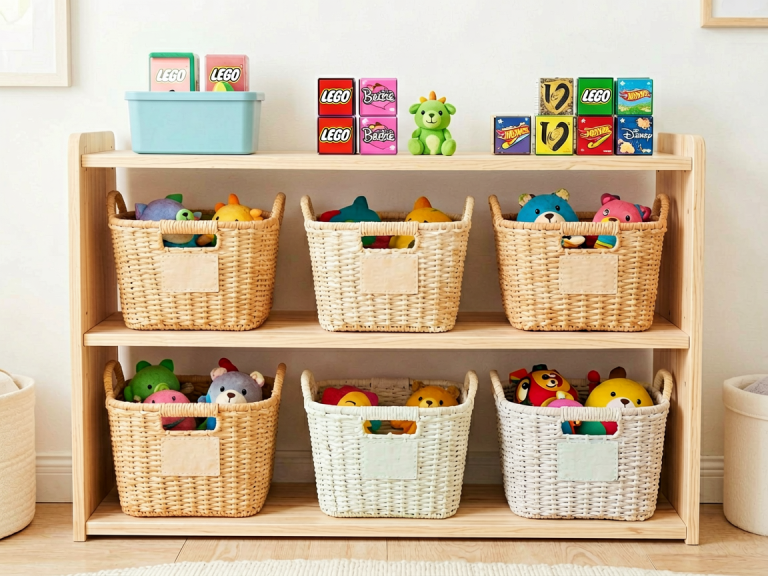
It is a common trap: you see a bin of plastic cars, action figures, or small trinkets priced at a dollar or two, and you grab a handful, thinking you are being smart with your money. But multiply that by several trips to the store, and the total adds up quickly. Worse, these cheap toys often break within minutes, have little play value, and create clutter that parents end up throwing away.
Instead of accumulating dozens of flimsy items, use your budget to purchase fewer, higher-quality toys that offer deeper engagement. For example, a single wooden train set might cost the same as ten cheap plastic cars, but it will provide hours of creative play, be passed down to younger siblings, and perhaps even become a keepsake. The concept of “less is more” is especially important for young children, who are easily overwhelmed by too many choices. Quality over quantity stretches your budget by reducing replacement purchases and keeping a child’s interest alive longer.
—
6. Neglecting the Value of Open-Ended and Educational Toys
Another mistake is assuming that “educational” means expensive. In reality, some of the most valuable toys for development are simple and affordable. Open-ended toys—like building blocks, play dough, crayons, or dress-up clothes—allow children to use their imagination in countless ways. Yet many budget shoppers bypass these in favor of electronic, battery-operated gadgets that promise to teach letters or math, but often fail to hold a child’s attention beyond a few sessions.
When you are on a tight budget, prioritize toys that grow with the child. A set of wooden blocks works for a one-year-old learning to stack, a three-year-old building towers, and a five-year-old constructing complex structures. Compare that to a singing, flashing toy that teaches only one skill and stops being interesting once the novelty wears off. Also, consider thrift stores or garage sales for items like puzzles, board games, and art supplies. These can be found for a fraction of their retail price and still offer immense educational value. By choosing wisely, you get more play and learning per dollar.
—
7. Skipping Second-Hand and Clearance Options (but with Caution)
Many shoppers avoid used toys because they fear dirt, damage, or safety issues. This is a missed opportunity, because second-hand markets—such as consignment shops, online marketplaces, and community swap events—can yield incredible deals on high-quality toys. However, making mistakes in this area can still hurt your budget.
The first error is not inspecting the item thoroughly. Look for broken parts, missing pieces, stained fabric, or signs of mold. Always test electronic toys with batteries if possible. The second mistake is forgetting to clean and sanitize the toy before giving it to a child. Soft toys can be washed, plastic toys wiped with a disinfectant, and wooden toys gently cleaned. A third error is paying too much for a used toy that is not in great condition—compare prices online to ensure you are truly getting a bargain. Finally, avoid buying car seats, helmets, or other safety-critical items second-hand, as their protective features may have been compromised. When done right, buying pre-owned toys can slash your expenses by 50% or more, leaving room in your budget for one special new toy.
—
Conclusion
Shopping for toys on a budget does not mean you have to sacrifice fun, safety, or quality. By avoiding these seven common mistakes—ignoring age appropriateness, falling for trends, overlooking safety, skipping return policies, buying too many cheap items, neglecting open-ended toys, and mishandling second-hand purchases—you can make every dollar count. The key is to be intentional: research before you buy, think long-term, and prioritize toys that inspire creativity and last through years of play. A well-chosen, budget-friendly toy can become a cherished part of a child’s childhood, while a hastily bought mistake only adds to the clutter and the cost. So next time you head to the store or browse online, keep these pitfalls in mind, and enjoy the satisfaction of a smart purchase that brings joy without breaking the bank.