Silent Builders: Exploring Quiet Alternatives to Magnetic Tiles for Peaceful Play
Introduction
Magnetic tiles have become a staple in many households, celebrated for their ability to spark creativity, teach geometry, and develop fine motor skills. Yet for all their educational value, these colorful plastic shapes come with an unmistakable acoustic signature: the sharp *click-clack* of magnets snapping together, the clatter of a fallen tower, and the rattle of tiles sliding across a hard floor. For parents of light sleepers, for caregivers in quiet environments like libraries or classrooms, or simply for those seeking a calmer playtime atmosphere, the noise can be a significant drawback. Fortunately, a wide range of quiet alternatives exists that preserve the open-ended building experience while replacing the percussive symphony with gentle whispers. This article explores several creative and effective substitutes, each offering unique sensory and developmental benefits without the auditory disruption. From timeless wooden blocks to modern silicone designs, these quiet builders prove that peaceful play does not have to mean boring play.
—
Wooden Building Blocks: The Timeless Silent Companion
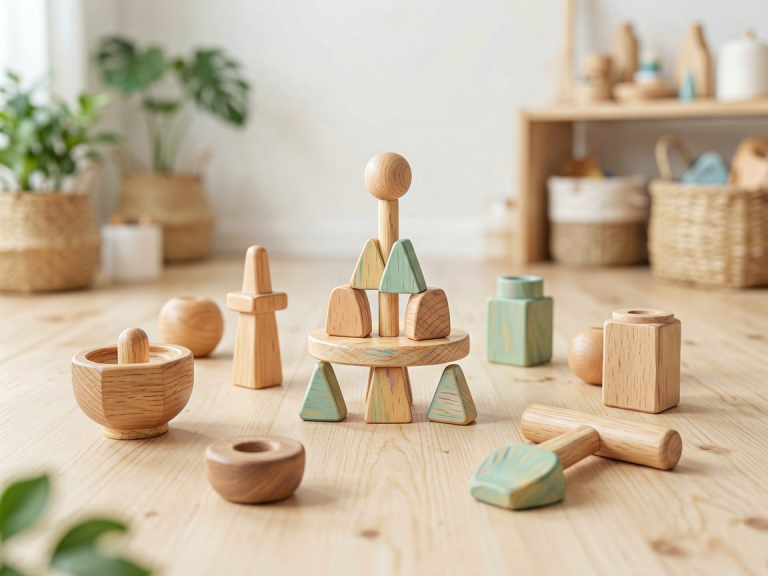
Perhaps the most obvious and enduring alternative to magnetic tiles is the classic wooden building block set. Unlike their plastic, magnetized counterparts, wooden blocks produce a soft *thud* when placed together, and the absence of magnetic force means no sudden snapping sounds. High-quality blocks made from beech, maple, or pine are smooth, durable, and naturally quiet—especially when used on a felt mat or carpeted floor.
The tactile experience of stacking wood is fundamentally different: each block requires careful balance and gravity to hold, encouraging patience and spatial reasoning. Children learn to plan their structures with more deliberation because there is no magnetic “assist.” The result is a slower, more mindful play session that is inherently less noisy. Furthermore, the organic grain and subtle scent of unfinished wood provide a calming, grounding sensory input that plastic cannot replicate.
For added versatility, many wooden block sets include arches, ramps, cylinders, and triangular pieces that mimic the shapes found in magnetic tile sets. Some even incorporate subtle color gradients or natural wood stains, making them visually engaging without overwhelming the senses. The quietness of wooden blocks also extends to cleanup: a bin of blocks can be poured out or packed away with a gentle rumble rather than a jarring clatter. Parents seeking a Montessori-aligned, eco-friendly, and genuinely quiet building experience will find no better starting point.
—
Silicone Stacking Toys: Softness and Soundlessness
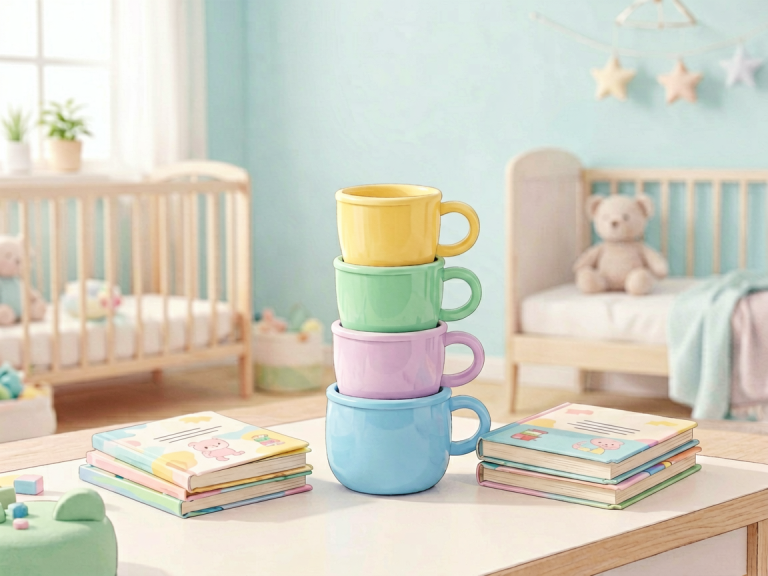
While wooden blocks are quiet, they can still produce noise when dropped from a height or knocked over. For households that demand near‑silence—such as homes with napping infants or neurodivergent children highly sensitive to sound—silicone stacking toys offer an almost completely soundless alternative. Unlike hard plastic or wood, silicone is pliable, slightly rubbery, and absorbs impact. When a silicone block falls, it lands with a dull, muffled *flump* that barely registers above a whisper.
These toys are often shaped like nesting cups, geometric pyramids, or interlocking rings, and their softness makes them safe for even the youngest builders. The texture is pleasant to squeeze, chew, and grip, providing oral motor stimulation for teething toddlers. Many silicone sets are made from food‑grade, BPA‑free materials and can be washed in the dishwasher—an advantage for hygiene that magnets and wood cannot match.
Although silicone pieces do not “click” together like magnetic tiles, children can still build vertically by stacking, or create simple structures by balancing curved shapes. Some advanced sets include small silicone tiles that fit into a base with silicone pegs, mimicking the grid‑based construction of magnetic tiles but with a soft, silent connection. The quietness of silicone also extends to travel: these toys can be packed in a diaper bag without causing a ruckus, making them ideal for waiting rooms, restaurants, or airplane cabins.
—
Felt and Fabric Blocks: Gentle, Creative, and Wholly Quiet
Among the quietest building materials available are felt and fabric blocks. Typically made from wool felt, cotton, or polyester fleece, these blocks produce no sound at all when manipulated—no clicks, thuds, or rustles. They are lightweight and soft, allowing children to build towers that can be knocked over with a silent collapse, or to construct detailed scenes without disturbing anyone nearby.
Felt blocks often come in vibrant colors and shapes, and some sets incorporate hook‑and‑loop fasteners (Velcro) that mimic the satisfying “stick” of magnetic connection, but without the noise. For example, a felt block with a small patch of soft loop material can attach to another block with a tiny hook patch, producing a gentle tearing sound when pulled apart—still far quieter than the snap of magnets.
Beyond blocks, fabric‑based building kits include felt boards with removable shapes, soft bricks for “construction,” and even felt dinosaurs, trees, and people for narrative play. The versatility is tremendous: children can build houses, castles, or abstract sculptures while also engaging in imaginative role‑play. The fabric surface also reduces the risk of damage to furniture and floors, and it allows for easy storage in a cloth bag or basket. For educators working in library storytimes or quiet‑time classrooms, felt sets are a proven resource that fosters creativity without raising decibel levels.
—
Foam Construction Sets: Lightweight and Noiseless
Foam is another excellent material for silent building. Interlocking foam blocks, often designed similarly to magnetic tiles but without magnets, feature a simple peg‑and‑hole or tab‑and‑slot system that connects with a soft *whoosh* rather than a click. The foam itself is dense yet pliable, so even when a tall structure topples, the sound is minimal—a muffled softness rather than a crash.
Many foam construction sets are molded into geometric shapes such as squares, triangles, arches, and wheels, enabling children to create cars, houses, rockets, or abstract patterns. The weight of each piece is light enough for toddlers to lift and carry, yet sturdy enough to support a modest tower. Because foam has natural sound‑dampening properties, the entire play session remains tranquil.
Some foam sets incorporate a thin, flexible magnet inside a foam casing, creating a hybrid that retains the “stick” but dampens the sound. Others use suction cups or static electricity to connect pieces. However, the simplest and most effective quiet foam blocks are the ones that rely purely on friction and gravity, such as the popular “soft bricks” that imitate traditional building blocks but are made from compressive foam. These are especially popular in early childhood classrooms where multiple children play simultaneously—the noise level stays low even during enthusiastic group play.
—
Cardboard Construction: Upcycled, Quiet, and Endlessly Adaptable
For families seeking a near‑zero‑cost alternative, cardboard construction offers an unparalleled blend of quietness and creativity. Unlike magnetic tiles, which have fixed shapes, cardboard can be cut, folded, taped, or slotted into any form imaginable. A set of sturdy cardboard blocks, often recycled from shipping boxes, can be stacked and arranged with barely a whisper.
Specialty cardboard building kits exist, such as those with interlocking tabs that allow children to build life‑sized playhouses or bridges. The cardboard is usually thick and corrugated, providing enough strength for small children to climb on or sit inside—something magnetic tiles can never offer. The sound of cardboard rubbing against cardboard is a soft, almost comforting rustle, and when a structure collapses, it does so with a gentle collapse rather than a clatter.
Moreover, cardboard construction invites artistic expression: children can paint, draw, or decorate their creations, adding an extra layer of sensory engagement that plastic magnetic tiles lack. The quietness is a natural byproduct of the material, and the entire process from building to dismantling is remarkably peaceful. For parents who value sustainability and frugality, cardboard is an unbeatable alternative that also teaches resourcefulness.
—
Wooden Marble Runs and Track Builders
While marble runs typically involve rolling balls and thus produce some sound, wooden marble runs are far quieter than their plastic or magnetic counterparts. The smooth wooden channels create a soft, rolling hum rather than the loud *click* of magnets or the sharp rattle of plastic. Many marble run sets use gravity and carefully designed ramps, requiring children to plan and adjust, much like they would with magnetic tiles.
A quiet marble run variant uses felt‑lined channels or wooden balls wrapped in felt, which roll silently. Additionally, some wooden track systems come with small cars or tokens instead of marbles, completely eliminating noise while still teaching principles of incline, momentum, and cause‑and‑effect. These sets are often modular, allowing endless reconfiguration. The quietness of wood, combined with the satisfying minimal sound of a soft ball rolling, creates a peaceful yet engaging building experience.
—
Conclusion: Peaceful Play, Endless Possibilities
Magnetic tiles are wonderful tools for learning, but their acoustic footprint can be disruptive in many settings. Fortunately, the world of quiet alternatives is rich and varied. Wooden blocks bring timeless durability and a gentle thud; silicone toys offer near‑total silence and safety; felt and fabric blocks provide soft, creative connections; foam sets dampen every impact; cardboard invites open‑ended, quiet artistry; and wooden marble runs add a whisper of motion. Each alternative preserves the core benefits of magnetic tiles—spatial reasoning, architectural thinking, fine motor development, and creativity—while offering a calmer, more soothing play experience.
Choosing a quiet option does not mean sacrificing quality or engagement. In fact, many of these alternatives introduce new sensory dimensions—such as texture, weight, aroma, and temperature—that enrich play in ways plastic cannot. Whether you are a parent of a light‑sleeper, a teacher managing a quiet classroom, or a caregiver looking for a more peaceful home environment, these silent builders open the door to hours of focused, joyful, and wonderfully quiet construction. The next time you reach for a building toy, consider the sound it will make—and choose a quiet alternative that lets creativity speak without shouting.