Sensory Toys by Age: A Comprehensive Guide to Age-Appropriate Recommendations
Introduction
Sensory toys have gained significant attention in recent years for their ability to support cognitive, physical, and emotional development in children. These toys engage one or more of the five senses—sight, sound, touch, taste, and smell—as well as the vestibular and proprioceptive systems. However, not all sensory toys are suitable for every age group. An infant’s sensory exploration is vastly different from that of a preschooler or a teenager, and choosing the wrong toy can lead to safety hazards, frustration, or missed developmental opportunities. This guide provides clear, research-based age recommendations for sensory toys, helping parents, educators, and therapists make informed choices that encourage safe, meaningful, and age-appropriate play.
—
Sensory Toys for Infants (0–12 Months)
During the first year of life, infants rely heavily on sensory input to understand their world. Their brains are developing rapidly, and sensory experiences lay the foundation for neural connections related to motor skills, language, and emotional regulation. For this age group, safety is paramount—toys must be free of small parts, toxic materials, and sharp edges.
Recommended sensory toys include high-contrast black-and-white or brightly colored mobiles, which stimulate visual tracking and focus. Soft, textured rattles made of fabric, silicone, or wood (without paint) encourage grasping, shaking, and mouthing—a primary way infants explore. Crinkle books, teething rings with different surfaces (bumpy, smooth, ridged), and soft mirrors help develop tactile and auditory awareness. Water mats or sensory bags filled with gel and small floating objects (sealed securely) provide safe visual and gentle tactile stimulation. Avoid any toys that emit loud, startling noises; instead, choose those with gentle chimes or soft rattling sounds. Always supervise infants during play because mouthing is inevitable, and toys should be easy to clean.
—
Sensory Toys for Toddlers (1–3 Years)
Toddlers are mobile, curious, and eager to interact with their environment. Their sensory needs shift from simple exploration to more purposeful cause-and-effect play. They also begin to develop fine motor skills, language, and early problem-solving. Safety remains critical—toddlers still put objects in their mouths, so choking hazards must be avoided.
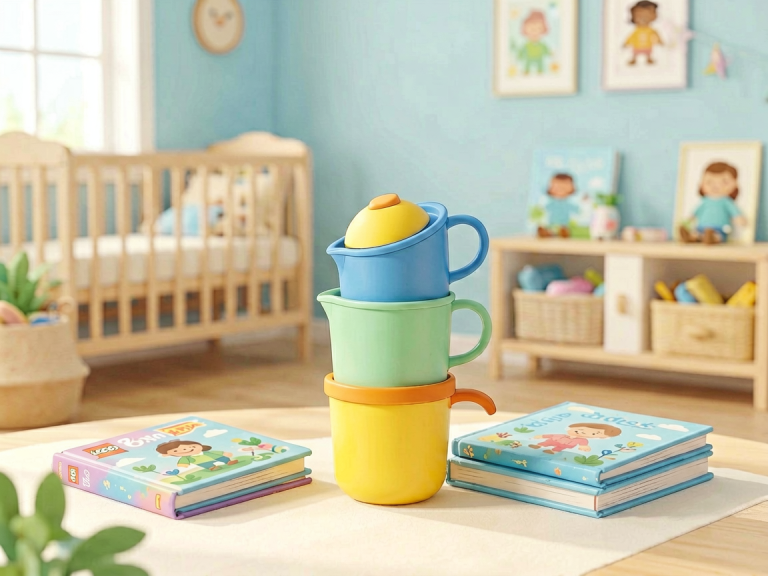
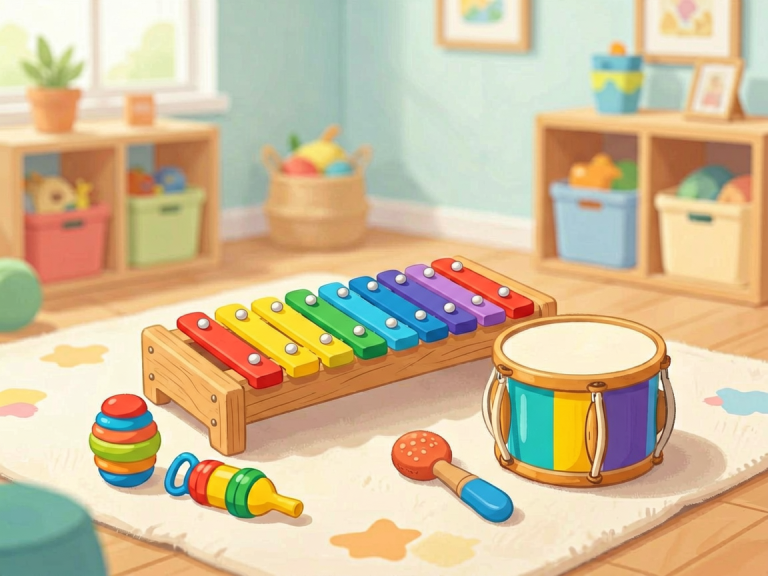
Great sensory toys for this stage include textured balls (spiky, squishy, bumpy), stacking cups with different surface textures, and simple shape sorters. Activity tables with buttons, switches, and lights engage both sight and hearing while encouraging hand-eye coordination. Sensory bins filled with dry rice, beans, or sand (supervised) allow scooping, pouring, and digging, which strengthens hand muscles and introduces concepts of volume and texture. Musical instruments like maracas, drums, and xylophones support auditory discrimination. Playdough or non-toxic clay with added scents (lavender, citrus) provides tactile and olfactory stimulation. Water play with cups, funnels, and floating toys is highly beneficial but requires constant adult supervision. Introduce sensory toys gradually and watch for signs of overstimulation, such as crying or turning away.
—
Sensory Toys for Preschoolers (3–5 Years)
Preschoolers are developing complex cognitive, language, and social skills. Their sensory play becomes more imaginative and structured. They can follow simple rules, engage in pretend play, and benefit from toys that combine multiple senses. At this age, children also begin to regulate their own emotions, and sensory toys can serve as calming tools.
Excellent choices include kinetic sand, which provides a unique tactile experience without messiness, and water beads (provided they are large, non-toxic, and used under supervision). Building blocks with varied textures—smooth, rough, rubbery—stimulate touch while fostering creativity and spatial awareness. Sensory bottles filled with glitter, oil, and water offer a mesmerizing visual and calming effect. Weighted lap pads or stuffed animals can help with proprioceptive input, especially for children who seek deep pressure to self-regulate. Art materials like finger paints, scented markers, and textured paper encourage visual, tactile, and olfactory engagement. Puzzles with raised pieces or different fabric covers (felt, velvet, burlap) combine fine motor challenges with tactile learning. Always avoid small magnets, button batteries, or any toy that can be disassembled into tiny parts.
—
Sensory Toys for School-Age Children (5–12 Years)
Children in elementary and middle school often use sensory toys to manage anxiety, improve focus, or simply enjoy creative play. Their motor skills are more refined, and they can engage with toys that require greater dexterity, strategic thinking, or sustained attention. Social interaction also becomes important, so toys that can be used in groups are valuable.
Popular sensory toys for this age group include fidget spinners, stress balls, and tangle toys (interlocking curved pieces) that provide tactile and kinesthetic input during homework or quiet time. Slime (homemade or store-bought) offers a satisfying, stretchy tactile experience that many children find deeply calming. Logic-based tactile puzzles, such as Rubik’s cubes with textured surfaces, combine sensory input with problem-solving. Aromatherapy putty infused with calming scents (peppermint, lavender) engages both smell and touch. For children who are sensory seekers, crash mats, mini trampolines, or therapy bands provide proprioceptive and vestibular stimulation. Educational sensory tools like textured letters or number tiles help reinforce literacy and math concepts through hands-on learning. Encourage children to self-advocate—if a toy becomes overstimulating or distracting, they should be allowed to set it aside.
—
Sensory Toys for Teenagers and Beyond (12+ Years)
Adolescents and adults also benefit from sensory toys, especially for reducing stress, improving concentration, or managing sensory processing differences. While the toys may appear simpler, their design often targets specific neural pathways associated with relaxation and focus.
For teenagers, small, discreet fidget toys such as magnetic rings, smooth worry stones, or spiky rings can be used without drawing attention. Weighted blankets or lap pads offer deep pressure therapy that many teens find helpful for anxiety or sleep issues. Adult coloring books with intricate patterns combine visual stimulation with fine motor activity. Noise-canceling headphones paired with nature sounds or white noise can provide auditory regulation. Aromatherapy diffusers with essential oils (tea tree, eucalyptus) create a calming environment. For those with sensory-seeking needs, textured therapy putty, resistance bands, or even a simple set of Chinese meditation balls (chimes) can provide satisfying auditory and tactile feedback. Note that teenagers may prefer toys that feel “grown-up”—avoid childish designs and opt for neutral colors, metal finishes, or minimalist styles. Always respect individual preferences and sensory thresholds.
—
Conclusion
Selecting sensory toys based on age is not just about safety—it is about honoring each developmental stage’s unique needs and capacities. A toy that delights a two-year-old may overwhelm a six-year-old, and a fidget designed for a teenager might be dangerous for an infant. When in doubt, observe the child’s reaction: if they are calm, engaged, and happy, the toy is likely appropriate. If they become agitated, withdrawn, or overly excited, consider adjusting the type or duration of sensory input. Remember that every child is different; some may be ready for advanced toys earlier, while others need more time with simpler options. By following these age recommendations and remaining attuned to the individual child, caregivers can harness the power of sensory play to foster growth, creativity, and well-being at every stage of life.