The Quiet Revolution: A Parent’s Complete Guide to Choosing Toys That Nurture Peaceful Play
Introduction
In a world saturated with flashing lights, booming sound effects, and endless screen-based distractions, a growing number of parents and educators are rediscovering the profound value of quiet toys. These aren’t just playthings that happen to be silent—they are intentional tools designed to foster deep concentration, creativity, and emotional regulation in children. Yet choosing the right quiet toys can feel overwhelming: how do you separate genuine developmental benefits from marketing hype? How do you balance your child’s natural energy with your own need for a calmer home? This comprehensive guide will walk you through every aspect of selecting quiet toys—from understanding their core benefits to evaluating materials, age-appropriateness, and long-term play value. By the end, you’ll be equipped to build a toy collection that supports your child’s growth while restoring tranquility to your daily life.
—
Why Quiet Toys Matter: The Science of Stillness
Cognitive Benefits of Unstructured, Silent Play
Quiet toys are not merely about reducing noise pollution. Neuroscientific research shows that when children engage with toys that lack sound effects, automatic responses, or digital stimulation, their brains enter a state of “active calm.” This state, often described as the default mode network, is crucial for creativity, problem-solving, and memory consolidation. For example, a set of wooden blocks requires a child to plan, balance, and revise—all in silence. There are no prerecorded instructions, no beeps for success, and no penalties for failure. The child’s internal motivation drives the play, building executive function skills such as self-control, working memory, and cognitive flexibility.
Emotional Regulation and Sensory Overload
Modern children are bombarded with stimuli from birth. Loud electronic toys, tablets, and busy visual environments can overwhelm a developing nervous system, leading to irritability, difficulty focusing, and even sleep disturbances. Quiet toys act as sensory anchors. A simple textured ball, a silk scarf, or a set of smooth stones invites a child to slow down, breathe, and regulate their own arousal levels. Occupational therapists often recommend quiet sensory toys for children with autism, ADHD, or anxiety because they provide a safe, predictable outlet for self-soothing without triggering hyperarousal.
Fostering Independence and Deep Focus
Another overlooked advantage is the promotion of independent play. When a toy does not talk, sing, or demand attention, the child must create their own narrative. This fosters autonomy and reduces the need for constant parental involvement. A toddler stacking nesting cups silently learns cause and effect; a preschooler arranging a wooden puzzle develops spatial reasoning—all without external prompts. Over time, this habit of deep, uninterrupted play translates into better classroom concentration and a lifelong love of learning.
—
Key Features of a Well-Chosen Quiet Toy
Materials That Whisper Rather Than Shout
The physical composition of a quiet toy matters enormously. Natural materials—wood, cotton, wool, silk, stone, beeswax, and uncoated metal—tend to produce soft, organic sounds when handled. A wooden rattle has a gentle clatter; a cloth doll makes no noise at all. In contrast, plastic toys often creak, squeak, or rattle with an industrial sharpness that can be jarring. Look for toys finished with water-based paints or plant-based dyes, both for safety and for the subtle, muted visual appeal that encourages focused observation rather than frantic stimulation.
Open-Endedness Over Scripted Play
The best quiet toys are open-ended, meaning they have no predetermined right or wrong way to use them. Blocks, loose parts (like wooden rings, pebbles, or corks), modeling clay, and simple animal figures allow children to invent scenarios endlessly. A single Waldorf-style silk playscape can become a river, a blanket, a cape, or a tent. By contrast, a battery-operated fire truck that only drives forward while flashing lights and sirens leaves no room for imagination. When selecting quiet toys, ask: “Can my child use this in at least three different ways?” If the answer is no, reconsider.
Sensory Richness Without Overload
Quiet does not mean bland. High-quality quiet toys engage the senses through texture, weight, temperature, and subtle scent. A hand-carved wooden egg feels warm and smooth; a knitted rabbit invites touch; a set of felt fruits offers visual warmth without glaring colors. The key is that the sensory input is *invited*, not *imposed*. The child controls the pace and intensity of exploration, which builds interoception—the awareness of internal body states—and supports mindful self-regulation.
—
Age-by-Age Guide to Choosing Quiet Toys
Infants (0–12 Months): Simplicity and Safety
For babies, quiet toys should prioritize safe, appealing textures that encourage grasping, mouthing, and visual tracking. Avoid any toy with small parts, sharp edges, or long strings. Excellent choices:
- Organic cotton teethers (undyed or colored with plant extracts)
- Silk scarves for peek-a-boo and gentle movement stimulation
- Wooden rattles with a soft, mellow sound (avoid those that clank loudly)
- Cuddle cloths with different fabric squares (satin, wool, corduroy)
- Muslin blocks that stack and crinkle softly
Remember that at this stage, the *adult’s* calm presence matters more than the toy itself. A quiet rattle offered with a serene face communicates safety.
Toddlers (1–3 Years): Exploratory and Hands-On
Toddlers are on the move and need quiet toys that channel their energy into focused manipulation. Look for toys that develop fine motor skills without causing frustration. Top recommendations:
- Wooden stacking rings – choose those that are chunky and have a slight weight
- Simple puzzles with large knobs (avoid electronic puzzles that play sounds)
- Lacing beads made of polished wood or felt
- Sensory bottles (filled with rice, water beads, or glitter, but sealed tightly)
- Playdough with natural ingredients (you can even make it at home)
Avoid toys that require adult batteries or have multiple plastic pieces that scatter easily. The goal is to keep the activity zone concentrated, not chaotic.
Preschoolers (3–5 Years): Imagination and Social Play
At this age, children begin to invent complex narratives and play alongside peers. Quiet toys that support cooperative, quiet interaction are invaluable. Consider:
- Wooden train sets with simple tracks (skip the motorized versions)
- Felt storyboards or felt food sets for make-believe cooking
- Loose parts kits (wooden disks, small logs, fabric scraps, pebbles)
- Peg dolls painted in natural tones for open-ended storytelling
- Simple board games that rely on matching or memory, not timers or loud buzzers
One of the most powerful quiet toys for this stage is a large piece of plain cotton fabric—it can become a fort roof, a picnic blanket, or a river for toy boats.
School-Age Children (6+ Years): Complexity and Craft
Older children can engage with more intricate quiet projects that require patience and precision. These toys often double as art supplies or scientific tools. Excellent options:
- Knitting or embroidery kits with natural fibers
- Woodworking sets (child-safe hand tools and softwood)
- Modeling beeswax or air-dry clay
- Jigsaw puzzles with 100–500 pieces (avoid those with noisy timers)
- Nature-based observational tools like a magnifying glass, pocket scope, or field journal
Encourage children to set up a “quiet hour” in which they can choose one of these activities independently. The challenge and satisfaction of creating something with their own hands is deeply fulfilling.
—
Material and Safety Considerations
The Hidden Risks of “Quiet” Plastic
Not all quiet toys are created equal. Some plastic toys are marketed as silent but off-gas volatile organic compounds (VOCs) like phthalates and BPA, which can accumulate in a child’s body. Even if a plastic toy makes no noise, its chemical profile may contribute to endocrine disruption or respiratory irritation. Whenever possible, choose toys certified by reputable safety standards such as ASTM (USA) or EN71 (Europe), and prioritize wood, metal, textile, and natural rubber.
Weight, Durability, and Choking Hazards
Quiet toys often use denser materials, which can be a double-edged sword. A heavy wooden block is satisfying to hold and stack, but if it falls, it may hurt a toddler’s foot. Always check that edges are rounded, paint is non-toxic and chip-resistant, and that no small parts can be detached. For babies and toddlers, use the “toilet paper tube test”: any part that fits inside a standard toilet paper roll is a choking hazard and should be kept out of reach.
Cleaning and Maintenance
Natural materials require more care than plastic. Wooden toys should be wiped with a damp cloth and mild soap, then air-dried thoroughly to avoid warping. Cloth toys can often be machine washed on a gentle cycle, but check labels. Felt and wool may need spot-cleaning. Encourage your child to help with maintenance as part of the quiet play routine—this builds responsibility and respect for objects.
—
How to Introduce Quiet Toys into Your Home
Creating a Calm Play Environment
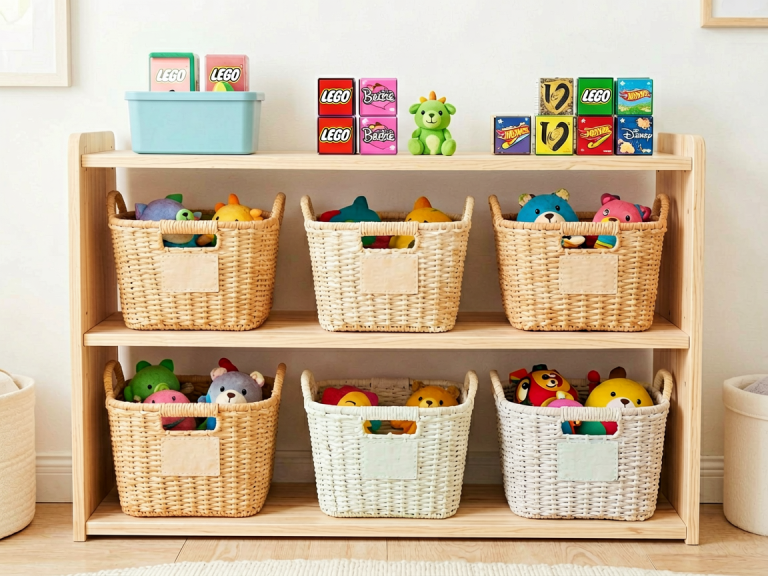
Quiet toys thrive in quiet spaces. Designate a corner of your living room or your child’s bedroom as a “stillness station.” Use a low shelf or a simple basket to display just a few curated toys—rotating them every week or two to maintain curiosity. Soft lighting, a small rug, and a cushion or child-sized chair invite your child to settle in. Avoid placing the quiet play area near noisy appliances or TV screens.
Modeling Quiet Play Yourself
Children imitate what they see. If you approach quiet toys with the same rushed, distracted energy you might bring to checking emails, your child will pick up on that. Instead, sit beside your child and slowly explore a toy yourself—run your fingers over a polished stone, or carefully stack three blocks. Speak in a soft voice or not at all. Your calm presence is the most powerful “tool” in the quiet toy guide.
Introducing One Toy at a Time
Overwhelming a child with a dozen new quiet toys will defeat the purpose. Introduce one new item during a relaxed moment, perhaps after a meal or before a bath. Allow your child to explore it without instructions. If they seem disinterested, put it away and try again in a few weeks. The goal is not to force quiet play but to create conditions in which it naturally emerges.
Managing Resistance from Electronic Toy Lovers
Some children who are accustomed to flashy, loud toys may initially resist quiet alternatives. Do not worry—this is normal. The dopamine hit from digital toys is powerful. Your job is not to eliminate all excitement, but to rebalance the diet of play. Set a timer: “We’ll play with the digital train for ten minutes, then we’ll hide it in the closet and build a silent village with blocks.” Over days and weeks, the quiet village may become more appealing because it offers agency and calm.
—
Conclusion: Choosing Quiet Is Choosing Depth
Selecting quiet toys is not about removing joy from childhood; it is about restoring a quality of attention that modern life often steals. When you choose a simple set of wooden blocks over a flashing, talking robot, you are voting for creativity over consumption, for depth over distraction, for connection over competition. The right quiet toy will not only entertain your child—it will teach them how to be still, how to listen to their own thoughts, and how to find satisfaction in the slow, deliberate act of making something from nothing.
As you build your quiet toy collection, remember that the most important “toy” in the room is your own presence. A child who feels seen, safe, and unhurried will naturally gravitate toward quieter forms of play. Trust that process. The quiet revolution begins not with a shopping list, but with a deep breath—and the courage to embrace silence as a gift.