The Playground of Possibilities: Open-Ended Toys vs. Single-Purpose Toys
Introduction
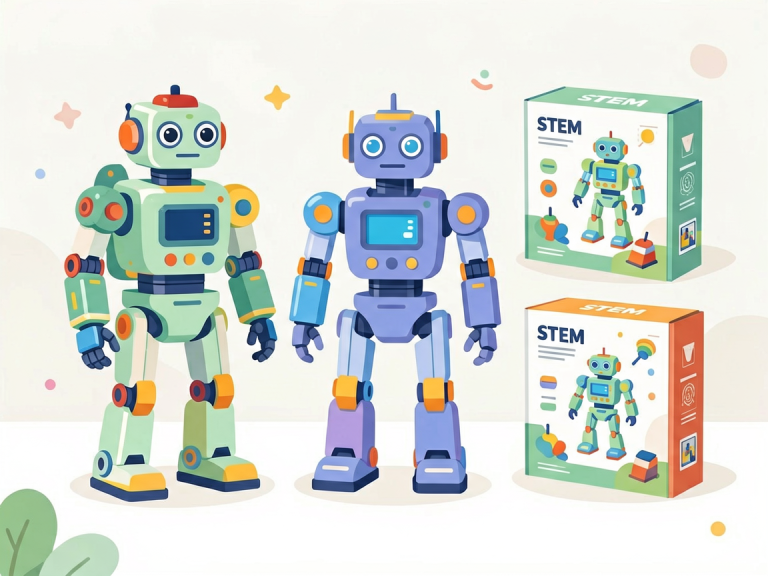
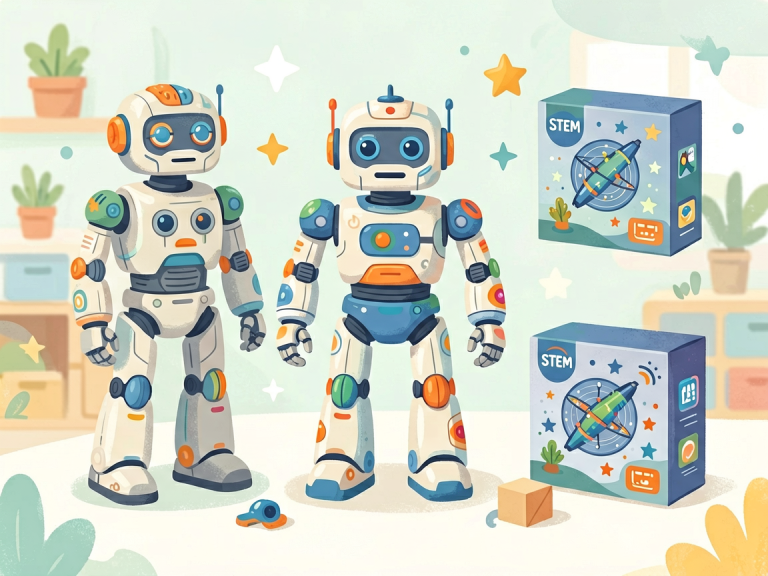
In the modern landscape of childhood, the variety of toys available to children is staggering. From flashing electronic gadgets to intricately designed action figures, the toy industry continuously churns out products that promise entertainment, education, and engagement. Yet beneath the surface of this dazzling array lies a fundamental distinction that profoundly influences child development: the difference between open-ended toys and single-purpose toys. Open-ended toys, such as wooden blocks, building bricks, art supplies, and loose parts, invite children to create their own rules, narratives, and outcomes. In contrast, single-purpose toys—like battery-operated robots that only walk forward, puzzles with one correct solution, or character figurines from a specific movie—are designed for a predetermined use. Understanding the strengths and limitations of each type is essential for parents, educators, and caregivers who wish to foster holistic growth, creativity, and problem-solving skills in children. This article explores the characteristics, benefits, and trade-offs of both categories, offering a nuanced perspective on how they shape the developing mind.
The Nature of Open-Ended Toys
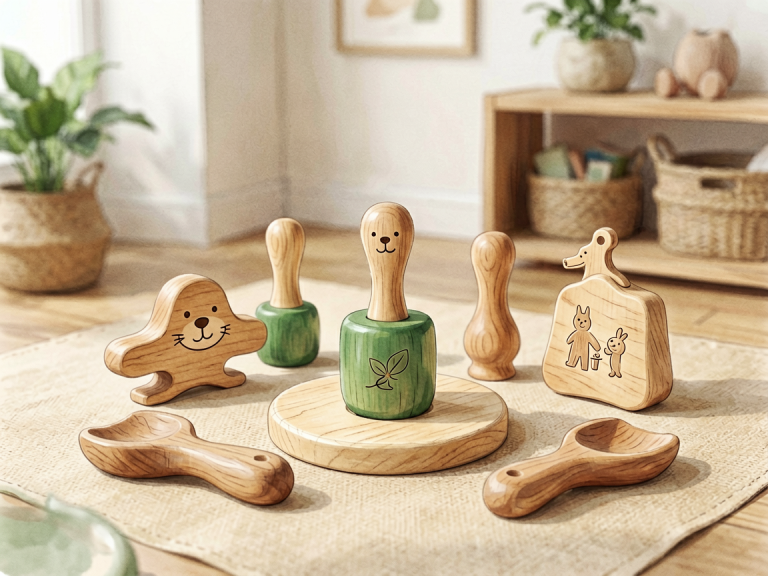
Open-ended toys are defined by their lack of a fixed outcome. They do not come with a manual, a single correct way to play, or an end goal that must be achieved. Instead, they serve as blank canvases for a child’s imagination. Classic examples include sets of wooden blocks, interlocking construction pieces like LEGO or Magna-Tiles, modeling clay, dollhouses with minimal furnishings, sand and water tables, and costume items that allow role-playing. The key is that the child drives the activity: a set of blocks can become a castle, a spaceship, a farm, or a simple tower, depending on the child’s mood and creativity.
This flexibility encourages divergent thinking—the ability to generate multiple solutions to a problem. A child playing with open-ended toys must constantly make decisions: “What should I build next? How can I make this structure stable? What story do I want to tell?” These decisions engage the prefrontal cortex, the part of the brain responsible for executive functions like planning, impulse control, and cognitive flexibility. Moreover, open-ended play often involves trial and error. A tower falls, and the child learns to adjust the base or distribute weight differently. Such experiences build resilience and a growth mindset, as children recognize that failure is not an endpoint but a step toward mastery.
The Appeal of Single-Purpose Toys
Single-purpose toys, sometimes called “closed-ended” or “prescriptive” toys, are designed with a specific function in mind. A remote-control car’s purpose is to move forward, backward, and turn. A talking doll repeats pre-recorded phrases. A video game console guides the player through linear levels. Many of these toys are highly engaging, especially when they incorporate lights, sounds, and interactive features that capture a child’s attention immediately. For parents, single-purpose toys often appear to offer clear educational or entertainment value: a puzzle teaches shape recognition, a phonics toy teaches letter sounds, a science kit walks a child through a specific experiment.
There is no doubt that single-purpose toys can be beneficial in targeted ways. A child learning to match shapes with a shape-sorter practices fine motor skills and categorization. A board game with rules teaches turn-taking and following instructions. Electronic toys can introduce basic concepts of cause and effect (pressing a button produces a sound). In certain contexts, such as learning a specific skill or providing structured stimulation during travel, single-purpose toys serve a useful role. However, their very specificity can also be a limitation. Once the puzzle is completed, the toy loses its challenge. Once the battery dies, the interactive features vanish. The child’s role becomes one of recipient rather than creator.
Developmental Benefits: A Comparative Analysis
To truly compare these two categories, we must examine their impact on key developmental domains.
Creativity and Imagination
Open-ended toys reign supreme in fostering creativity. Because there are no predetermined outcomes, children must invent their own scenarios. A simple cardboard box can become a car, a castle, or a time machine. This imaginative process is not just whimsical fun; it is linked to cognitive development, language acquisition, and emotional regulation. When children create narratives during play, they practice storytelling, vocabulary, and perspective-taking. Single-purpose toys, by contrast, often come with a fixed storyline. A licensed action figure from a popular movie may inspire a child to reenact scenes, but it rarely encourages original plot creation. The child is confined to the character’s established identity. Over time, heavy reliance on prescriptive toys may reduce a child’s capacity for original thought and improvisation.
Cognitive and Problem-Solving Skills
Open-ended toys promote complex problem-solving. Building a stable bridge with blocks requires understanding of physics, geometry, and balance. Creating a clay sculpture demands spatial reasoning and fine motor control. Because there are no instructions, children must hypothesize, test, and refine their ideas. This process is inherently metacognitive—children become aware of their own thinking. In contrast, single-purpose toys often offer a single correct solution. A jigsaw puzzle, for instance, has one answer; once solved, the cognitive challenge disappears. While puzzles have value for pattern recognition and persistence, they do not encourage the generation of novel strategies. Furthermore, electronic toys that provide immediate feedback (a correct answer earns a cheer) may reduce the child’s tolerance for ambiguity and sustained effort.
Social and Emotional Development
Social play is richer with open-ended toys. When children play together with blocks or dress-up clothes, they must negotiate roles, share materials, and collaborate on a shared vision. “You be the dragon, and I’ll be the knight—no, let’s both be explorers!” Such negotiations build empathy, communication skills, and conflict resolution. Single-purpose toys, especially those designed for solo electronic play, can isolate children. Even when multiple children play with single-purpose toys, the interaction often revolves around taking turns using the toy rather than co-creating. Moreover, open-ended toys allow children to express and process emotions. A child who is angry may build a tower and knock it down repeatedly—a safe outlet for frustration. A child who feels small may create a large, powerful structure. Single-purpose toys seldom offer this emotional flexibility.
Practical Considerations for Parents
Given the advantages of open-ended toys, why do single-purpose toys remain so popular? One reason is marketing. Toys with licensed characters, flashy lights, and promises of “educational” outcomes often attract parents who want the best for their children. Another reason is convenience. A battery-operated toy can entertain a child while a parent cooks or works, requiring minimal supervision. However, research consistently suggests that the most valuable play is child-directed, allowing the child to control the pace and direction.
Parents can adopt a balanced approach. Prioritize open-ended toys as the core of the playroom: blocks, art supplies, loose parts (like fabric scraps, buttons, and stones), and construction sets. Supplement with a limited number of high-quality single-purpose toys that align with specific interests or developmental needs. For example, a child passionate about dinosaurs might enjoy a realistic dinosaur figurine, but that same child should also have access to materials that allow them to build a dinosaur habitat or create a dinosaur story. Additionally, parents can transform even single-purpose toys into more open-ended experiences by removing batteries, introducing novel contexts, or combining toys in unexpected ways.
Conclusion
The debate between open-ended and single-purpose toys is not about good versus bad, but about the breadth of opportunities they provide. Open-ended toys are the soil in which creativity, problem-solving, and social skills grow deep roots. They adapt to the child’s evolving interests and abilities, offering endless possibilities. Single-purpose toys, while sometimes flashy and immediately satisfying, often limit the child’s role to that of a passive participant. For optimal development, the play environment should be rich in open-ended materials that invite exploration, experimentation, and imagination. By choosing such toys, parents and educators give children the greatest gift: the freedom to shape their own world, one play scenario at a time. In the long run, the child who learns to build with blocks will also learn to build ideas, relationships, and resilience—skills that no single-purpose toy can teach.