The Peril of Trend-Driven Toy Purchases: Why Chasing Fads Is a Costly Mistake
Introduction
Every holiday season, parents, grandparents, and well-meaning relatives flood stores and online marketplaces in search of the “must-have” toy. Whether it’s a dancing cartoon character, a collectible trading-card craze, or the latest video-game accessory, the pressure to buy what is trending can be overwhelming. Marketers skillfully exploit children’s fleeting desires and adults’ fear of missing out, creating a frenzy that often overshadows common sense. Yet the decision to purchase toys solely because they are popular is a mistake with far-reaching consequences—financial, environmental, developmental, and emotional. This article explores why trend-based toy buying is a dangerous habit and offers a more thoughtful approach to selecting playthings that truly enrich a child’s life.
The Illusion of Happiness: Why Trending Toys Fail to Deliver
The Disappointment Cycle
One of the most immediate pitfalls of trend-driven purchasing is the inevitable disappointment that follows. A toy hyped by influencers, viral videos, and playground chatter rarely lives up to its inflated expectations. Children, promised endless fun, often find that the actual product is flimsy, repetitive, or simply not as engaging as the advertisement suggested. Within days—or even hours—the toy is abandoned, relegated to the corner of the playroom, while the child’s attention shifts to the next fad. This cycle of excitement and disillusionment teaches children that happiness is short-lived and material, undermining their capacity for sustained engagement and creativity.
The Fickle Nature of Trends
Trends are, by definition, ephemeral. What is hot in October may be passé by December. Parents who invest heavily in a trending toy often discover that by the time the item arrives (especially during supply-chain shortages), the child has already lost interest. Moreover, trends frequently target narrow age groups or specific demographics, meaning that a toy designed for a five-year-old may be utterly irrelevant to a seven-year-old’s developing interests. Buying into trends thus becomes a gamble with poor odds—a bet on a fleeting moment that rarely yields lasting value.
Financial Waste: The Hidden Cost of Following the Crowd
Premium Prices for Mediocre Products
Trending toys command premium prices. Retailers know that demand outstrips supply, so they mark up items significantly. Scalpers and resellers further inflate costs, turning a $30 toy into a $200 necessity. Parents, driven by guilt or social pressure, often pay these exorbitant sums, only to watch the toy break or be ignored. The financial loss is not just the initial purchase price; it also includes the opportunity cost of money that could have been spent on durable, high-quality toys, educational materials, or family experiences that create lasting memories.
The Accumulation of Clutter
When trends dominate purchasing decisions, homes quickly become cluttered with cheap, single-purpose plastic objects. These toys have no versatility—they serve one function, often tied to a specific media franchise or a passing meme. Once the trend fades, the toys become garbage, contributing to a cycle of consumption and disposal. The financial drain is ongoing: parents feel compelled to buy the next trending item to replace the last, perpetuating a never-ending expense that offers no return on investment.
Environmental Consequences: A Planet Burdened by Disposable Play
Plastic Waste and Non-Biodegradable Materials
Most trending toys are made of low-cost plastic, designed to be produced quickly and sold cheaply (though not necessarily priced cheaply to consumers). They are not built to last; many have electronic components that die, moving parts that jam, or finishes that peel. Once discarded, these toys often end up in landfills, where they take centuries to decompose. The production process itself consumes fossil fuels, generates greenhouse gases, and releases toxic chemicals. In the pursuit of the next trend, the toy industry contributes significantly to environmental degradation—a cost that future generations will bear.
The Problem of “Toy Hoarding”
Trend-based buying also encourages a culture of hoarding. Collectible trends, such as blind boxes, mystery packs, or limited-edition figures, prompt consumers to purchase multiples in the hope of getting a rare variant. This creates mountains of duplicates that are rarely played with, but instead stored or thrown away. The environmental footprint of producing millions of identical plastic trinkets, many of which will never be used, is staggering. Moreover, the packaging—often plastic blister packs, cardboard with shiny coatings, and layers of wrapping—adds to the waste stream. Choosing toys based on trends thus directly contradicts efforts to raise environmentally conscious children.
Impact on Child Development: When Toys Stifle Rather Than Stimulate
Passive Entertainment vs. Active Play
Trending toys are frequently designed to entertain passively rather than engage actively. A flashing, singing robot may mesmerize a toddler for a few minutes, but it does not encourage problem-solving, imagination, or social interaction. Children learn best through open-ended play—building with blocks, creating stories with simple figures, experimenting with art supplies. Trendy toys often come with pre-scripted sounds, fixed narratives, and limited interactions, leaving little room for a child’s own creativity. Over time, reliance on such toys can inhibit the development of critical thinking, resilience, and independent play skills.
Peer Pressure and Social Hierarchies
When a child owns the trending toy, they may briefly enjoy social status. However, the flip side is equally damaging: children who do not have the sought-after item can feel left out, anxious, or inferior. This dynamic fosters a materialistic value system where self-worth is tied to possessions. Furthermore, the obsession with trends can lead to bullying, exclusion, and unhealthy competition among peers. Parents who buy into trends inadvertently reinforce the idea that “having” is more important than “being,” harming the child’s emotional and social development.
The True Cost of Missing Opportunities
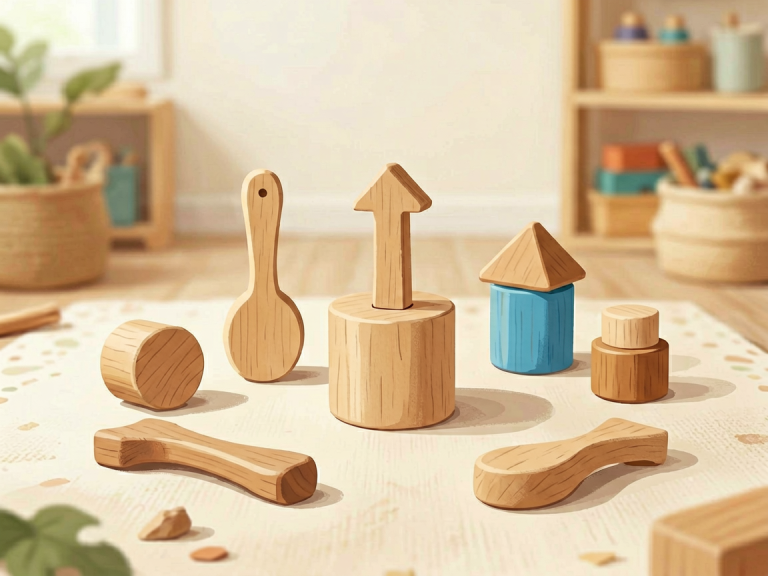
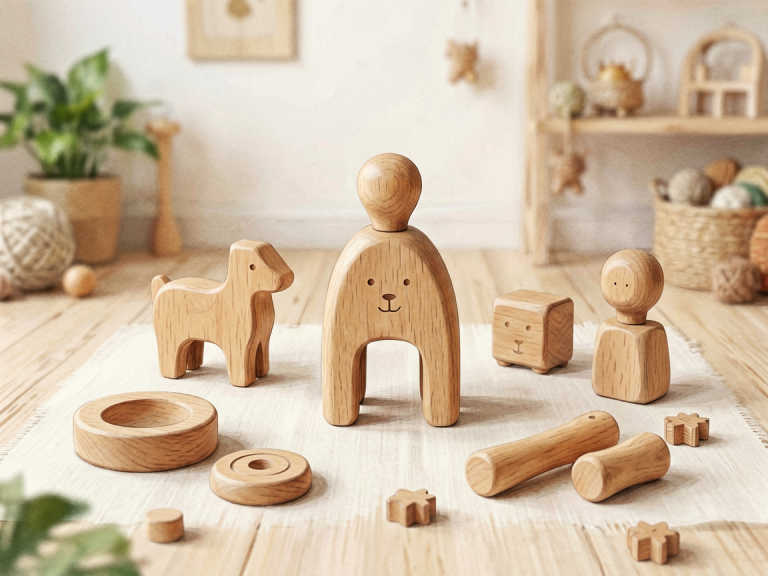
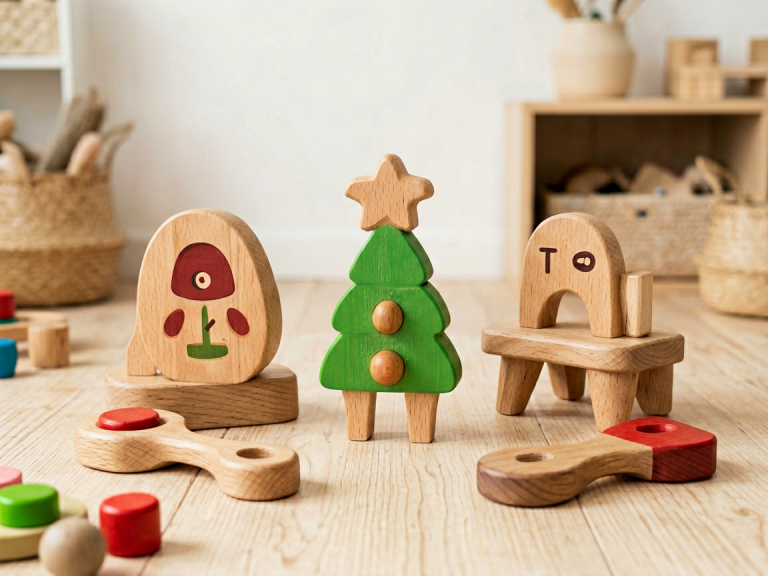
Every dollar spent on a fleeting trend is a dollar not spent on a toy that could foster genuine growth. A quality wooden puzzle, a set of art supplies, a science kit, or a musical instrument may not be trendy, but they provide years of enrichment. Trend-based purchases crowd out these opportunities, leaving children with a room full of yesterday’s fads and few tools for building skills, confidence, and curiosity. The mistake is not just financial; it is a missed opportunity to invest in a child’s future.
Emotional and Relational Consequences: The Parent-Child Dynamic
The Transactional Trap
When parents constantly buy trending toys, they may fall into a transactional pattern of showing love through gifts. Children learn to equate affection with material goods, and their requests become demands. This can strain the parent-child relationship, as children expect instant gratification and become disappointed when their desires are not met. Instead of bonding over shared activities, family time may revolve around the acquisition and consumption of new toys. The emotional currency of love is devalued when it is measured in plastic.
The Disappointment of the “Perfect Gift”
Parents often believe that buying the trendy toy will make them heroes in their child’s eyes. Yet the reality is that children’s attention spans are short, and the joy of receiving a trendy item is often eclipsed by the excitement of the next craze. The parent may feel hurt or frustrated when the expensive gift is ignored, leading to resentment. This cycle can be avoided by choosing toys based on a child’s genuine, lasting interests—a passion for dinosaurs, a love of drawing, a fascination with building—rather than on what is currently fashionable.
A Better Approach: Mindful and Values-Based Toy Selection
Prioritize Open-Ended and Durable Toys
Instead of chasing trends, parents should seek toys that encourage creativity, adaptability, and long-term engagement. Building blocks, magnetic tiles, art materials, dress-up costumes, and simple board games are timeless. They grow with the child, offering new possibilities as the child’s skills develop. Durable toys, made from wood, metal, or high-quality plastic, can be passed down to siblings or donated, reducing waste and saving money.
Follow the Child, Not the Market
Observe what genuinely captivates your child. Does she spend hours drawing? Invest in quality art supplies. Does he love building with LEGOs? Buy a bulk set or a second-hand collection rather than a themed, trend-based kit. Children’s authentic interests are far more reliable guides than any viral video. When a child is deeply engaged, play becomes a source of joy that does not require constant novelty.
Embrace Second-Hand and Borrowed Toys
Trends create an abundant supply of used toys. Thrift stores, online marketplaces, and toy libraries offer affordable alternatives. Buying second-hand not only saves money but also teaches children about reuse and resourcefulness. Moreover, borrowing toys from friends or libraries allows children to explore many options without the pressure of permanent ownership. This approach reduces clutter and environmental impact while still satisfying a child’s curiosity.
Talk About Marketing and Advertising
Older children can understand that trends are often manufactured by companies wanting to sell products. Parents can have open conversations about how ads work, why a toy may seem exciting on TV but dull in reality, and the difference between wanting something and needing it. Teaching media literacy at a young age empowers children to make informed decisions and resist peer pressure. This lesson is far more valuable than any toy.
Conclusion
The mistake of buying toys only because they are trending is a trap that ensnares even the most well-intentioned parents. It leads to financial waste, environmental harm, stifled development, and strained relationships. Yet the alternative is not to stop buying toys altogether, but to shift from a trend-driven mindset to a values-driven one. By focusing on quality, durability, open-endedness, and the child’s genuine passions, families can build a play environment that nurtures creativity, resilience, and joy—without the hype. In a world saturated with marketing, the most radical act is to think before you buy, and to give children not the toy of the moment, but the gift of meaningful, lasting play.