Why Parents Should Avoid Buying Messy Toys
In the modern parenting landscape, toy stores and online marketplaces bombard parents with an overwhelming array of options. Among the most alluring are the so-called "messy toys"—items that encourage open-ended, sensory play but also leave a trail of glitter, tiny plastic pieces, paint splatters, and cluttered chaos in their wake. While the intention behind such toys is often educational or creative, the reality is that many parents find themselves regretting these purchases shortly after opening the box. This article explores the compelling reasons why parents should think twice before bringing messy toys into their homes, focusing on developmental, logistical, financial, and psychological factors.
The Hidden Burden on Household Order and Sanity
At first glance, messy toys appear harmless. A “sand art” kit, a slime laboratory, or a set of hundreds of tiny building blocks may promise hours of entertainment. However, what these marketing materials fail to disclose is the monumental effort required to maintain order after the play session ends. The term “messy” is not merely descriptive; it is a defining characteristic that transforms a living room, playroom, or kitchen into a disaster zone.
Parents who have experienced the aftermath of a glitter explosion or a bin of kinetic sand ground into the carpet know the toll it takes. The constant need to vacuum, sweep, scrub, and reorganize consumes time that could otherwise be spent on meaningful interaction with the child. Research in environmental psychology suggests that visual clutter directly elevates cortisol levels in adults, leading to increased stress and reduced patience. When the environment is perpetually disorganized, the parent’s emotional bandwidth shrinks, and the quality of parent-child interactions suffers. Instead of enjoying the play, the parent becomes a cleanup supervisor, which can breed resentment and exhaustion.
Moreover, messy toys often come with small pieces that migrate beyond the designated play area. A stray LEGO brick under a sofa can cause a painful barefoot encounter; a lost bead from a jewelry-making kit might be swallowed by a curious toddler sibling. The burden of vigilance is heavy. Parents must constantly monitor not only the play itself but also the aftermath, which can turn a simple afternoon into a logistical nightmare.
The Impact on Children's Attention and Cognitive Development
Counterintuitively, the very feature that makes messy toys appealing—their ability to stimulate multiple senses—can also be a liability for children’s developing brains. Young children, especially those between the ages of two and six, have limited executive function skills. They struggle to filter out irrelevant stimuli. A toy that scatters dozens of components across the floor can easily overwhelm the child’s cognitive capacity, leading to fragmented attention rather than deep engagement.
Studies in child development show that open-ended, messy play can be beneficial when it is structured and limited in scope. However, many commercial messy toys lack clear boundaries. For instance, a “make-your-own-slime” kit may contain multiple powders, liquids, and glitter packets. The child might become fixated on mixing everything together without any purposeful goal, resulting in sensory overload rather than creative exploration. Such experiences can actually hinder the development of sustained focus and perseverance—skills that are critical for academic success.
Furthermore, the cleanup process itself becomes a source of cognitive interruption. When a child knows that a play session will inevitably end in a long, tedious cleaning routine, they may become reluctant to engage deeply. They learn to associate play with eventual frustration, which can negatively impact their intrinsic motivation to explore. Simpler toys that offer clear feedback and require minimal cleanup—such as stacking blocks, puzzles, or sturdy art supplies with a single material—tend to foster more concentrated, satisfying play.
Financial Waste and Environmental Concerns
Messy toys often seem like a bargain. A $15 glitter art set or a $20 “squishy” play dough kit appears affordable. Yet the true cost extends far beyond the purchase price. Most messy toys are single-use or have a very short lifespan. The slime dries out, the glitter runs out, the kinetic sand gets mixed with dirt and becomes unusable. Parents find themselves buying replacement supplies again and again, which adds up significantly over time.
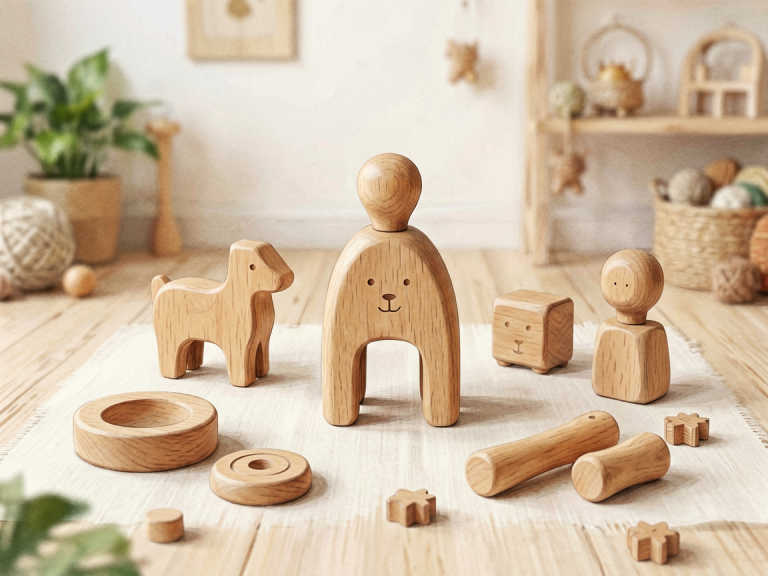
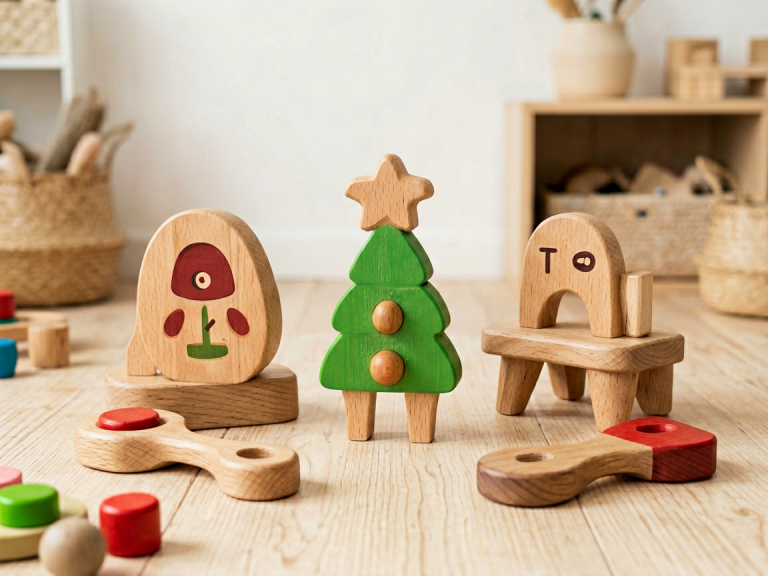
From an environmental perspective, many messy toys are packaged in multiple layers of plastic, contain non-biodegradable microplastics (glitter, tiny beads, foam pieces), and are often discarded after one or two uses. Landfills are increasingly filled with the remnants of these short-lived playthings. Eco-conscious parents may feel a moral conflict between providing sensory-rich play and reducing waste. Opting for durable, versatile toys—like wooden blocks, cloth dolls, or reusable building sets—offers a more sustainable alternative that also aligns with developmental goals.
Additionally, the hidden cost includes the wear and tear on household surfaces. Glitter can stain fabrics, slime can ruin carpets, and play dough can clog vacuum cleaners. Repairs or professional cleaning services may become necessary, further inflating the real expense of messy toys. Financially prudent parents would do well to calculate the total cost of ownership before making a purchase.
The Pitfall of Parental Guilt and Marketing Manipulation
The toy industry has mastered the art of exploiting parental guilt. Advertisements for messy toys often depict scenes of joyful, hands-on discovery—children laughing, colors swirling, parents smiling as they join in. The underlying message is: “If you don’t buy this, you are depriving your child of essential creative development.” This manipulates parents into feeling that a humble puzzle or a simple set of crayons is insufficient.
In reality, children do not need expensive, messy, or complicated toys to thrive. The most essential ingredients for healthy development are free: outdoor time, conversations with caregivers, and open-ended play with basic objects like cardboard boxes, blankets, and stones. Messy toys are often an overpriced solution to a non-existent problem. Parents should critically evaluate whether a toy truly adds value or if it merely feeds a fear of missing out on a trendy parenting method.
Moreover, the pressure to constantly provide novel, stimulating toys can lead to a cluttered play space. Research on children’s playrooms indicates that an excess of toys actually reduces the depth of play. When a child faces too many options, they flit from one activity to another without immersing themselves. Fewer, well-chosen toys that are easy to manage create a calmer environment that encourages imaginative storytelling, problem-solving, and social interaction.
Safety Hazards and Health Risks
Perhaps the most serious argument against messy toys is the potential for physical harm. Many messy toys contain small parts that can be choking hazards for children under three, yet the packaging often fails to clearly warn against this risk for older siblings. Slime products have been found to contain high levels of boron, which can cause skin irritation or digestive issues if ingested. Glitter, though pretty, is essentially microplastic that can get into a child’s eyes, ears, or respiratory tract, leading to infections or allergic reactions.
Even seemingly innocent materials like play dough can harbor bacteria if not stored properly. Homemade alternatives are safer, but commercial versions often include preservatives and chemicals that may trigger sensitivities. Paint sets, markers, and glue sticks are generally safer if they are labeled non-toxic, but the combination of multiple messy elements in one toy kit multiplies the risk. A child may accidentally mix chemicals that produce fumes, or they may touch their face after handling glitter and cause an eye infection.
The cleanup process itself introduces additional hazards. Parents may use harsh cleaning products to remove stubborn stains, exposing children to residual chemicals. Alternatively, they may neglect thorough cleaning, allowing mold to grow in slime containers or on play dough. These health considerations are often overlooked in the excitement of a new toy, but they should be paramount in a parent’s decision-making process.
Conclusion: Choosing Calm Over Chaos
Parenting is already a demanding journey without adding unnecessary clutter and stress. By avoiding messy toys, parents can reclaim their time, reduce household chaos, and foster a more focused, peaceful play environment for their children. This does not mean eliminating sensory play altogether—nature walks, water play in the bathtub, and simple art activities with washable materials offer rich experiences without the downsides. The key is intentionality: prioritize toys that are durable, versatile, easy to clean, and supportive of long-term development rather than momentary novelty.
Ultimately, the best gifts a parent can give a child are not the flashiest, most complicated toys, but rather a calm home, present attention, and the freedom to create without the pressure of mess. When parents resist the allure of messy toys, they make a powerful statement: that order, safety, and genuine connection matter more than commercialized notions of fun. The next time you are tempted by a glitter-covered package, remember that the most beautiful play is often the simplest—and the cleanest.