The Paradox of Plenty: Why Buying Too Many Toys for Toddlers May Do More Harm Than Good
Introduction: A Parent’s Dilemma
Walk into any modern nursery or playroom, and you are likely to be greeted by a colorful avalanche of plastic, plush, and electronic wonders. From stacking rings that sing the alphabet to interactive robots that teach numbers, the toy industry has become a multi-billion-dollar behemoth, relentlessly marketing to parents who want nothing but the best for their little ones. The logic seems irrefutable: toys stimulate a child’s developing brain, foster creativity, and provide endless opportunities for learning. Consequently, many parents—especially first‑time moms and dads—succumb to the temptation of buying every educational toy, every trending character figurine, and every gadget promising to give their toddler a head start in life. However, a growing body of research in child development, psychology, and early education suggests that an overabundance of toys can actually undermine the very goals parents hope to achieve. This article explores the multifaceted challenges of buying too many toys for toddlers, from cognitive overload and diminished creativity to financial stress and environmental waste. By understanding the hidden costs of excess, parents can learn to curate a simpler, more meaningful play environment that truly supports their child’s growth.
The Cognitive Overload: When Less Becomes More
How an Excess of Toys Impairs Focus and Depth of Play
Toddlers are naturally curious, but their attention spans are notoriously brief. At this age, the brain is wiring itself rapidly, and every new stimulus competes for neural real estate. When a room is littered with dozens of toys, a toddler may flit from one item to the next, never truly settling into the deep, sustained engagement that is crucial for cognitive development. Psychologists call this phenomenon “choice overload.” A classic study by researchers at the University of Toledo found that toddlers who were presented with a limited set of toys (four, in their experiment) played for significantly longer periods and engaged in more varied and creative uses of the toys than toddlers who were given sixteen options. The children with fewer choices were also more likely to build, sort, and pretend—activities that require concentration and problem‑solving. In contrast, the group with many toys exhibited scattered attention, frequent frustration, and shorter play episodes.
This finding aligns with the broader principle of “executive function” development. Executive functions—such as working memory, inhibitory control, and cognitive flexibility—are the mental skills that allow us to plan, focus attention, and juggle multiple tasks. Overstimulation from an excessive number of toys can overwhelm a toddler’s still‑developing prefrontal cortex, leading to irritability, tantrums, and a diminished ability to self‑regulate. Instead of learning how to master one toy, the child learns a habit of superficial scanning. The result is a paradoxical situation: the more toys we buy, the less our toddlers actually learn from them.
The Myth of the “Educational” Toy
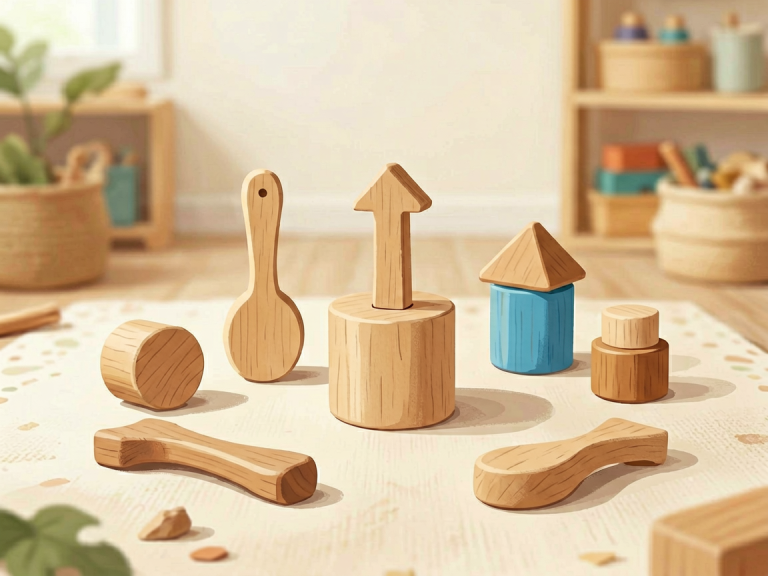
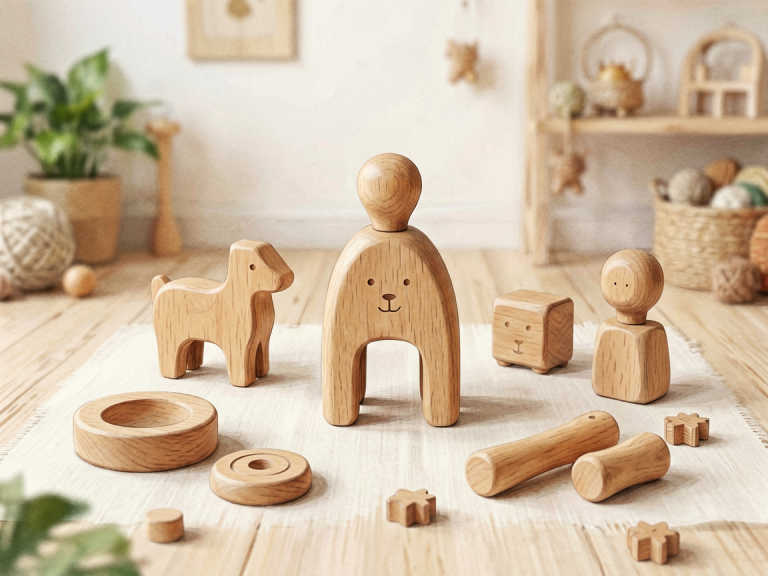
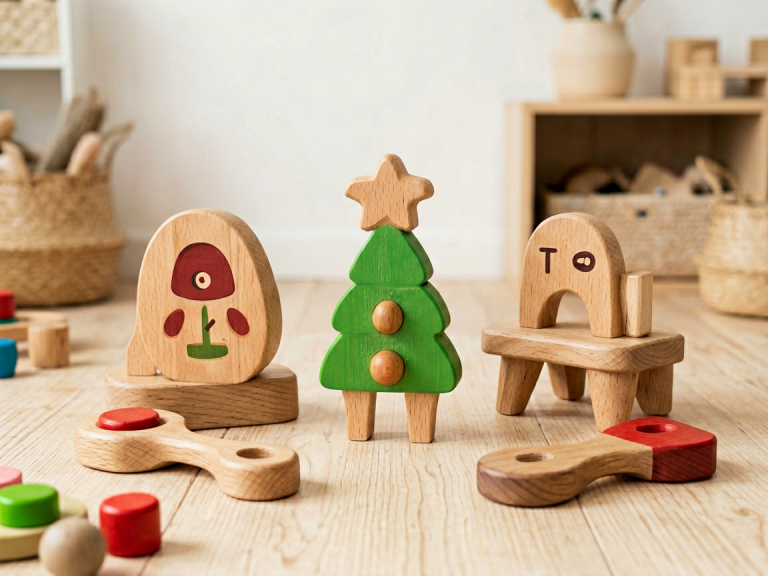
Marketing departments have mastered the art of turning every rattle, block, and plush bear into an “educational” must‑have. Parents are led to believe that a toy that lights up, sings the alphabet, or asks questions is inherently superior to a simple wooden block. Yet research consistently shows that the most educational toys are often the simplest. A cardboard box, a set of stacking cups, or a few wooden blocks can teach physics, spatial reasoning, and cause‑and‑effect far more effectively than an app‑enabled tablet game. When toddlers are surrounded by battery‑operated toys that do the thinking for them—flashing lights, automatic noises, pre‑recorded phrases—they become passive recipients of stimulation rather than active agents of their own play. The toy dictates the action; the child merely observes. Over time, this can dampen intrinsic motivation, curiosity, and the joy of discovery. Buying too many toys, especially ones that are flashy and automated, actually robs toddlers of the opportunity to create their own narratives, solve open‑ended problems, and learn through trial and error.
Emotional and Social Consequences: The Hidden Toll on Behavior
Overabundance and the Rise of Entitlement
Toddlers are not born with an understanding of value, scarcity, or gratitude. They learn these concepts through experience. When a child is routinely showered with new toys, they may come to expect that any desire for novelty can be instantly gratified. This creates a fragile emotional state: the child becomes dependent on external stimulation to feel satisfied. When the novelty of a toy wears off—which often happens within days, or even hours—the child may demand the next new thing, leading to cycles of dissatisfaction and nagging. Over time, this can cultivate a sense of entitlement and a diminished capacity for patience and delayed gratification. Studies in developmental psychology link early exposure to excessive material goods with higher rates of materialism later in life, as well as lower levels of life satisfaction. The toddler years are the foundation for emotional regulation; an environment saturated with toys can inadvertently teach the child that happiness comes from acquiring, not from experiencing.
Sibling Rivalry and Social Conflicts
In households with multiple young children, an overabundance of toys does not necessarily lead to harmony. On the contrary, having too many toys can exacerbate conflicts. Instead of learning to share, negotiate, and take turns, children may become possessive and territorial over their belongings. When toys are plentiful, each child may hoard their own stash, reducing opportunities for cooperative play. Moreover, a cluttered play space can make it harder for toddlers to clean up after themselves, which frustrates parents and leads to power struggles. In contrast, a carefully curated selection of toys encourages children to share and collaborate, because they must find ways to play together with the same limited resources. Social skills—such as empathy, compromise, and communication—are best developed in environments that require interaction, not isolation.
Practical and Environmental Considerations
Financial Strain on Families
The financial cost of buying too many toys is not trivial. The average American family spends hundreds—sometimes thousands—of dollars each year on toys for their young children. Much of this spending is driven by social pressure, advertising, and the belief that more is better. Yet the vast majority of toys are played with for only a short time before being discarded or forgotten. Baby gear swaps, second‑hand markets, and toy libraries are underutilized alternatives that can save families significant money while still providing variety. Parents who resist the urge to over‑purchase can redirect those funds toward experiences that truly enrich a toddler’s life: museum trips, swim lessons, books, or even a college savings account. By recognizing that a child’s happiest moments often involve simple, unstructured play with a parent or a sibling—not a shiny new toy—parents can escape the trap of consumerism.
Environmental Impact and Sustainability
The ecological footprint of the toy industry is staggering. Most toys are made from non‑biodegradable plastics, packaged in layers of cardboard and plastic, and shipped across the globe. According to environmental groups, the toy industry generates millions of tons of waste annually. When toys are bought in excess and quickly discarded, they often end up in landfills or incinerators, where they may release toxic chemicals. Additionally, many electronic toys contain batteries that are difficult to recycle. By consciously buying fewer, higher‑quality toys—especially those made from sustainable materials like wood, organic cotton, or recycled plastic—parents can model environmental stewardship for their children. Teaching toddlers to care for their belongings and to appreciate the value of objects is an early lesson in sustainability that will benefit them throughout their lives.
Practical Strategies for Parents: Curating a Minimalist Toy Collection
The Power of Rotation
One of the most effective strategies for avoiding the pitfalls of toy overload is the “rotation system.” Parents can divide their child’s toys into several bins or boxes, each containing a manageable selection. Only one bin is available at a time; the others are stored out of sight. Every week or two, the parent swaps the current bin with a new one. This approach has multiple benefits: it keeps the toy environment fresh and exciting without requiring new purchases, it reduces clutter, and it encourages deeper engagement with each set of toys. Toddlers often rediscover forgotten toys with genuine delight, and the rotation prevents boredom without overstimulation.
Prioritizing Open‑Ended Toys
When choosing which toys to keep, parents should prioritize open‑ended items that can be used in multiple ways. Blocks, nesting cups, dolls, play kitchen items, art supplies (crayons, paper, playdough), and simple puzzles are excellent examples. These toys grow with the child and invite creativity, rather than prescribing a single correct way to play. In contrast, single‑function toys—like a plastic phone that only makes a ringing sound—tend to have a short lifespan of interest. By building a collection around open‑ended toys, parents can offer rich play experiences with fewer total items.
Emphasizing Experiences Over Objects
Finally, parents can consciously shift their gifting mindset from “things” to “moments.” Instead of buying a new toy for every occasion, consider giving a toddler the gift of a shared experience: a trip to the zoo, a picnic in the park, a homemade treasure hunt, or a day of baking cookies together. These experiences create lasting memories and build the parent‑child bond far more effectively than any store‑bought plaything. They also teach toddlers that joy comes from relationships and activities, not from accumulating possessions.
Conclusion: Less Really Is More
The desire to provide our toddlers with the best possible start in life is natural and admirable. Yet in our enthusiasm, we must resist the seductive lie that more toys equal more learning or more happiness. The science of child development paints a different picture: an environment of abundance can actually hinder focus, creativity, emotional resilience, and social skills. By embracing a philosophy of intentional simplicity—fewer toys, more open‑ended play, and a stronger emphasis on experiences and relationships—parents can give their toddlers the true gifts of childhood: the freedom to explore deeply, the space to imagine, and the calm that comes from an uncluttered world. The next time you are tempted by a flashy display in a toy store, pause and ask yourself: is this toy adding to my child’s life, or is it just adding to the pile? The answer may surprise you.