The Paradox of Plenty: Why Buying Too Many Toys Harms 6-Year-Olds
Introduction
Walking into a modern toy store is like stepping into a sensory explosion. Bright colors flash from every shelf, electronic gadgets beep and buzz, and aisles upon aisles promise endless joy. For parents of a 6-year-old, the temptation is almost irresistible. Birthdays, holidays, “just because” trips to the store—the pile of toys in the playroom grows steadily, often without conscious deliberation. Yet a quiet, troubling truth is emerging from child development research: buying too many toys for 6-year-olds does not make them happier, more creative, or more fulfilled. In fact, it can do the opposite. This article explores why an abundance of toys can undermine a child’s development, creativity, emotional regulation, and even their long-term relationship with material possessions.
The Lure of Abundance: Why Parents Overbuy
Societal Pressure and Marketing Myths
Parents today face relentless marketing that preys on love and guilt. Toy advertisements target children with precision, and peer pressure among parents creates an unspoken competition: the child with the most toys must be the most loved. Social media amplifies this, showing perfectly organized playrooms filled with educational wooden blocks, imaginative playsets, and the latest tech gadgets. The underlying message is that giving more equals better parenting. For a 6-year-old, who is still developing a sense of self and is highly impressionable, each new toy seems like a fresh opportunity for happiness. But the happiness is fleeting.
The Emotional Reward for Parents
Buying a toy for a child also provides an immediate emotional payoff for the parent. Seeing a child’s eyes light up as they unwrap a present triggers a dopamine release in the adult brain. This reinforces the behavior: “I made my child happy, so I should do it again.” Over time, this cycle becomes addictive. Yet the child’s long-term needs—for unstructured play, for boredom that sparks creativity, for deep engagement with a few beloved items—are sacrificed for short-term gratification.
Psychological Effects of Overabundance
Decision Fatigue and Reduced Attention Span
A 6-year-old’s brain is still wiring its executive functions, including decision-making and sustained attention. When a child is surrounded by dozens of toys, the sheer number of choices becomes overwhelming. Research in developmental psychology shows that children in “high-option” environments tend to flit from one toy to another, never fully engaging with any single item. This behavior mirrors the “paradox of choice” observed in adults: more options lead to less satisfaction and greater anxiety. A 6-year-old with too many toys may become easily bored, constantly asking for something new, because their brain has been trained to expect novelty rather than depth. The result is a shortened attention span that can spill over into schoolwork and social interactions.
Reduced Ability to Value and Care for Belongings
When toys are abundant and easily replaced, children learn that objects have little intrinsic worth. A broken doll or a missing puzzle piece feels inconsequential because there are ten other toys waiting. This undermines the development of responsibility and gratitude. A 6-year-old who has learned to care for a few treasured possessions—to clean them, repair them, and share them—gains essential life skills. Conversely, a child who receives a new toy every week soon treats each gift as disposable. In the long run, this can foster a materialistic mindset, where happiness is forever tied to the next purchase.
Impact on Creativity and Play Quality
The Curse of the “Complete Set”
Manufacturers encourage parents to buy “complete sets”—a full line of action figures, all the building blocks in a series, every accessory for a dollhouse. But contrary to marketing claims, a complete set does not enhance imaginative play; it stifles it. When a toy comes with predetermined narratives—like a superhero with a preset origin story, or a playset with a specific layout—the child has less room to invent their own stories. A 6-year-old’s imagination thrives on ambiguity. A simple cardboard box can become a spaceship, a castle, or a time machine. A bare set of wooden blocks can be anything. But when the toy itself dictates the game, creativity shrinks.
Boredom as a Catalyst for Invention
Modern parents often panic when their 6-year-old says, “I’m bored.” They rush to provide a new activity, a new toy, or a screen. Yet boredom is a crucial developmental tool. When a child has few toys, they are forced to invent games with limited resources. They might use a blanket and chairs to build a fort, or turn sticks into swords, or create an elaborate fantasy world with just two dolls and a handful of pebbles. This process strengthens problem-solving, narrative thinking, and social negotiation. A child who is never bored never learns to create from nothing. An excess of toys eliminates the need for that creation, leaving the child passive and reliant on external stimulation.
Environmental and Financial Cost
The Environmental Toll of Plastic
The toy industry is one of the largest contributors to plastic waste. The vast majority of toys are made from non-biodegradable materials, packaged in layers of cardboard and plastic, and shipped across the globe. According to the UN Environment Programme, millions of toys end up in landfills each year, many after only a few weeks of use. For 6-year-olds, who often outgrow toys quickly, the environmental footprint is staggering. By buying too many toys, parents inadvertently teach children that consumption without consequence is normal. This contradicts the growing need to raise environmentally conscious children.
Financial Strain on Families
The financial cost is equally significant. The average American family spends hundreds of dollars per year on toys for a single child. This money could be redirected toward experiences that have lasting benefits: museum memberships, nature outings, art classes, or even a college savings account. When money is tight, buying too many toys can create stress and resentment. Parents who feel pressured to keep up with peers may sacrifice other family needs—quality time, travel, or healthy food—for the sake of material accumulation.
Alternatives and Mindful Gifting
Curating a Minimalist Toy Collection
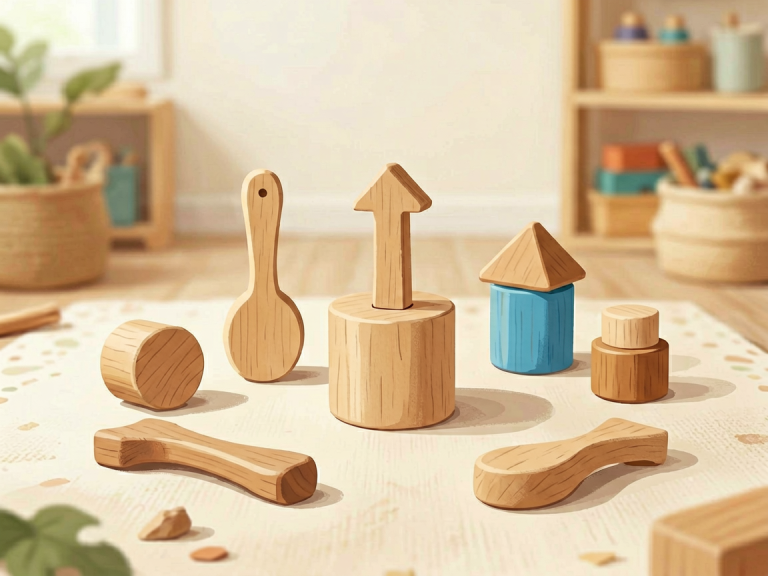
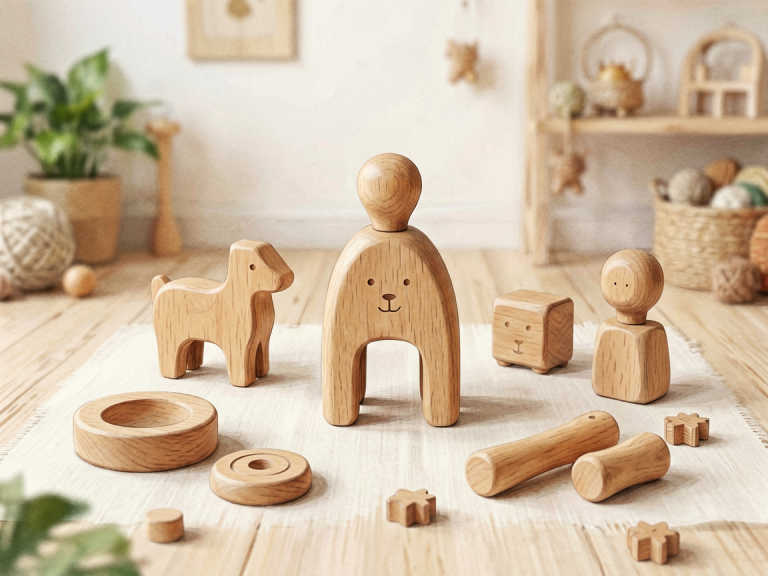
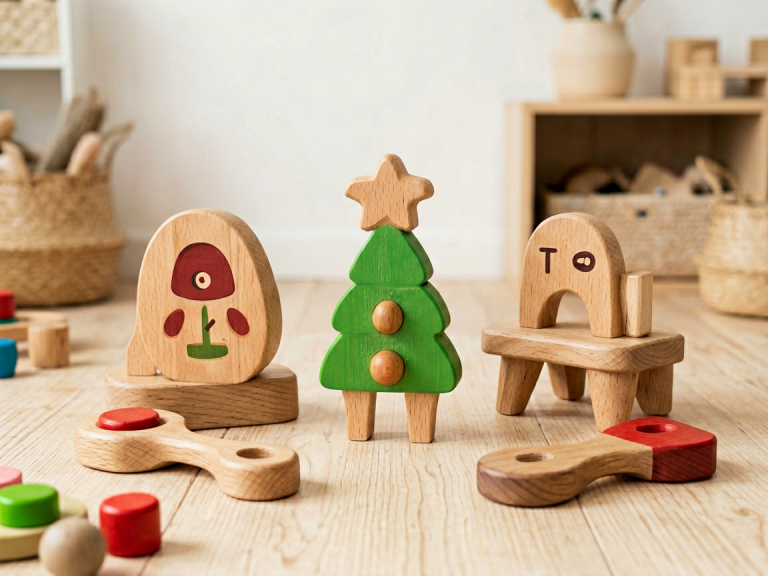
The solution is not to ban toys entirely, but to curate them with intention. Child development experts recommend a “less is more” approach: select toys that are open-ended, durable, and encourage multiple types of play. For a 6-year-old, excellent choices include building blocks (simple wooden ones, not themed sets), art supplies (paper, clay, paint), dress-up clothes, and books. These items grow with the child and can be used in countless ways. Rotating toys—putting half away in storage and swapping them every few weeks—renews interest without adding to the pile.
Prioritizing Experiences Over Objects
Research consistently shows that experiences bring more lasting happiness than possessions. For a 6-year-old, a trip to the zoo, a cooking session with a parent, or a nature scavenger hunt creates memories that no plastic toy can match. These experiences also foster bonding, language development, and emotional regulation. Parents can shift their gift-giving mindset from “what can I buy?” to “what can we do together?”. This might mean gifting a “coupon book” for special outings, a subscription to a children’s museum, or a simple camping trip.
Teaching Gratitude and Generosity
Another powerful alternative is to involve the 6-year-old in the process of giving. Before a birthday or holiday, parents can help the child sort through their toys and select items to donate to other children. This teaches empathy, reduces clutter, and reinforces that toys are tools for joy, not identities. When a child understands that their abundance can serve others, they begin to develop a healthier relationship with material goods.
Conclusion
Buying too many toys for a 6-year-old is a well-intentioned mistake. It stems from love, from a desire to see a child happy, and from societal pressures that equate quantity with quality. Yet the evidence is clear: an overabundance of toys diminishes attention, stifles creativity, undermines gratitude, and burdens both the planet and the family budget. The most precious gift a parent can give a 6-year-old is not another plastic action figure, but the gift of time, attention, and the space to imagine. By choosing fewer, better toys and prioritizing experiences, parents can help their children develop into creative, focused, and grateful individuals who understand that true richness lies not in what they own, but in what they experience and share.