The Noisy Toy Trap: Why Parents Keep Making the Same Mistake and How to Avoid It
—
Introduction: The Sound That Stays Long After the Gift Giving
Every holiday season, birthday party, or special occasion, countless parents walk into toy stores with the best intentions. They imagine the sparkle in their child’s eyes, the laughter, the hours of joy. And then they spot it: a flashy, battery-operated toy with blinking lights and a cacophony of sounds—a toy that promises endless entertainment. They buy it, wrap it, and present it with pride. Within days, however, the novelty fades, and the toy becomes a source of irritation, not delight. The batteries die. The noise grates on adult nerves. And the child, overwhelmed or bored, moves on.
This scenario plays out in homes across the world. Choosing noisy toys is one of the most common—and most underestimated—mistakes in toy buying. It is a mistake that affects not only the child’s development and the family’s peace but also social relationships and even the environment. Yet, because the allure of noise is deeply rooted in marketing and parental psychology, too many of us fall for it again and again. This article explores the key mistakes behind buying noisy toys, the hidden consequences, and how you can become a smarter, more intentional toy buyer.
—
Mistake #1: Confusing “Fun” with “Noise”
The first and perhaps most fundamental mistake is equating a toy’s noise level with its entertainment value. Toy manufacturers know that a loud, attention‑grabbing product is more likely to catch a child’s eye (and a parent’s wallet) in a crowded store aisle. The flashing lights and electronic shrieks mimic the sensory overload of video games and screens, creating an instant dopamine hit. But here’s the truth: noise is not the same as play value.
Studies in child development show that open‑ended toys—such as blocks, puzzles, art supplies, and simple dolls—encourage creativity, problem‑solving, and social interaction far more than noisy electronic gadgets. A toy that beeps, honks, or plays a tinny melody may command a child’s attention for a few minutes, but it rarely sparks the deep, sustained engagement that leads to learning. The child becomes a passive listener rather than an active creator. In fact, many noisy toys actually reduce a child’s ability to focus because the constant auditory stimulation overwhelms their developing sensory systems.
The mistake is compounded when parents buy noisy toys as “educational.” While some electronic toys claim to teach letters, numbers, or languages, research indicates that children learn more effectively from interactive, spoken conversation with caregivers than from pre‑recorded sounds. The real educational value comes from human interaction, not from a plastic box that shouts the alphabet.
—
Mistake #2: Overlooking the Impact on Child Development
A noisy toy isn’t just annoying—it can actively harm a child’s development if chosen thoughtlessly. Children’s ears are more sensitive than adults’ ears. The American Academy of Pediatrics warns that many toys produce sounds at unsafe levels. A toy that seems only moderately loud to an adult can exceed 85 decibels, a level that, with prolonged exposure, can cause hearing damage. Yet most parents never check the decibel rating before buying.
Beyond hearing, there is the issue of cognitive overload. Infants and toddlers are still learning to filter sensory information. When a toy emits continuous beeps, rattles, or electronic music, it can overwhelm their ability to process other sounds—including a parent’s voice. This is particularly concerning because language development relies heavily on a child’s ability to hear and respond to human speech. A noisy environment, especially one filled with high‑pitched electronic sounds, can delay speech acquisition and reduce the quality of parent‑child interaction.
Furthermore, noisy toys can contribute to dysregulation. Children who are constantly exposed to loud, unpredictable sounds may become more irritable, have difficulty sleeping, or show signs of sensory overload. This is especially true for children with autism spectrum disorder, ADHD, or sensory processing issues. For them, a seemingly harmless noisy toy can trigger meltdowns or anxiety. Choosing a noisy toy for a child without considering their temperament is a gamble that often backfires.
—
Mistake #3: Neglecting the Social and Environmental Consequences
Noisy toys don’t stop at the child’s bedroom door. They affect everyone in the household and beyond. Parents often complain that a single noisy toy can turn a peaceful home into a chaotic din. Siblings may become distracted during homework. A parent working from home might struggle to concentrate. The constant high‑pitched squeaks or repetitive songs can strain family relationships and increase stress levels.
But the social impact extends further. Neighbors, especially in apartments or shared housing, can be disturbed by the noise. Playdates and family gatherings become less enjoyable when children are fixated on a loud toy that drowns out conversation. In some extreme cases, complaints from neighbors have led to tensions or even formal noise complaints.
Additionally, noisy toys are often poorly made and heavily reliant on disposable batteries. A toy that requires four AA batteries to produce a few days of noise is not only an annoyance but also an environmental hazard. The batteries end up in landfills, and the toy itself is often discarded after the novelty wears off—or when it breaks, which happens quickly because the electronic components are cheap. This contributes to the growing problem of plastic waste and e‑waste. Buying fewer, higher‑quality, quieter toys is a more sustainable choice.
—
Mistake #4: Succumbing to Marketing and Peer Pressure
Why do so many parents keep buying noisy toys despite knowing the downsides? The answer lies in marketing strategies and social dynamics. Toy commercials are designed to excite children, not educate parents. A child who sees a flashy, loud toy on a screen will beg for it, and many parents give in to avoid a tantrum or to feel like “good” parents. There’s also a subtle competitive element: a parent may feel their child is missing out if they don’t own the latest noisy gadget that a friend has.
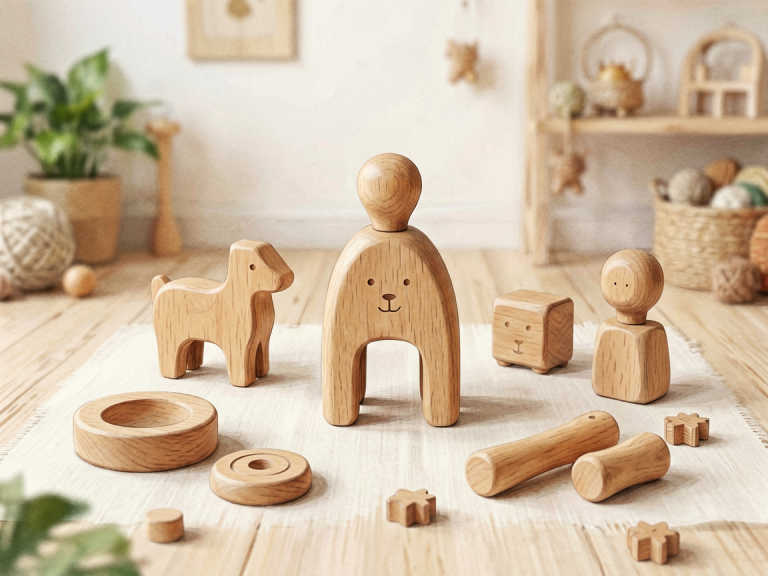
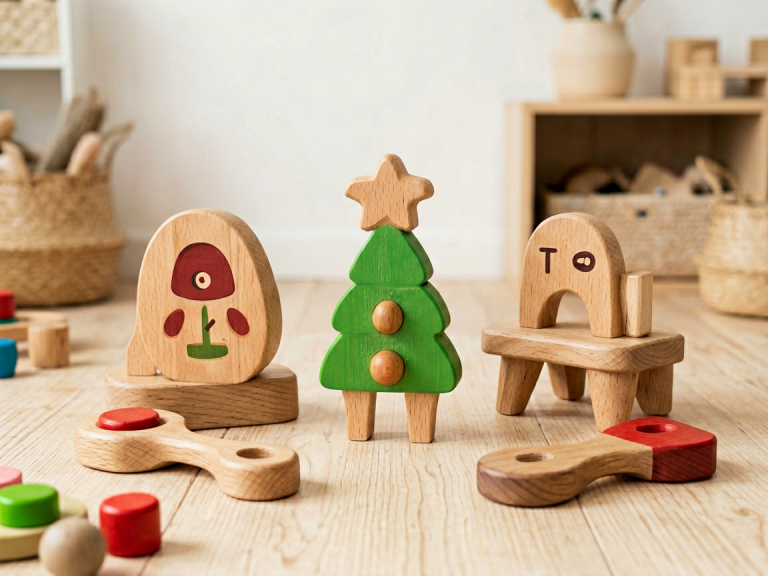
These psychological pressures override rational decision‑making. Parents forget that the best toys are often the simplest. A cardboard box can be more engaging than a battery‑operated robot. A set of wooden blocks can grow with a child for years. But marketing doesn’t sell cardboard boxes—it sells noise.
The mistake is not just in buying the toy; it’s in failing to question the narrative. Ask yourself: Is this toy adding value to my child’s life, or is it just adding noise? If the answer is the latter, it’s time to walk away.
—
Mistake #5: Ignoring the Short Shelf Life of Noisy Toys
Finally, parents often underestimate how quickly a noisy toy loses its appeal. The initial excitement—the beeping, the flashing lights—wears off in a matter of days. Once the novelty is gone, the toy is often abandoned because there is nothing left to explore. The toy does one thing: make noise. Once the child understands that, there is no room for creativity.
Contrast this with a set of magnetic tiles or a dollhouse. Those toys invite endless variations: a child can build a castle, a spaceship, or a zoo. Quiet toys often have higher longevity because they engage the imagination. Noisy toys, by contrast, have a programmed response; they dictate play instead of letting the child dictate it.
The financial waste is significant. A noisy toy might cost $30–$50, and it may be used for less than a week. Multiply that by several toys per year, and you’ve spent hundreds of dollars on items that end up in a donation bin—or the trash. Buying fewer, quieter, and more versatile toys is both economical and more beneficial for the child.
—
How to Avoid These Mistakes: A Practical Guide
The good news is that the noisy‑toy trap is entirely avoidable. Here are actionable steps to become a smarter toy buyer:
- Test the toy before buying. If possible, press the button that activates the sound. Is it uncomfortably loud? If you’re in a store, hold it near your ear—if it hurts your ear, it’s too loud for a child.
- Check for volume control. Some toys have a “low” or “off” switch. Prioritize those.
- Look for quiet alternatives. Musical instruments designed for children (like a small xylophone or shaker) produce sound in a natural, adjustable way, unlike electronic noise machines.
- Read reviews from other parents. Often, reviews will mention if a toy is excessively noisy or if batteries die quickly.
- Follow the “one‑third” rule. For every three toys you buy, make sure only one has any electronic or sound feature. The other two should be open‑ended.
- Teach your child about sound. Instead of banning all noisy toys, involve your child in the decision. Explain that some toys are too loud for the house and can hurt ears. This builds early awareness.
- Embrace the gift of silence. Remember that silence is not empty; it is full of potential. Quiet play allows children to hear their own thoughts, listen to the world around them, and develop patience.
—
Conclusion: Choose Sound, Not Just Sound Effects
The next time you walk down a toy aisle, pause. Take a deep breath. Ignore the blinking lights and the electronic shrieks. Think about what your child truly needs: not a cacophony of noise, but a chance to explore, imagine, and connect. The best toy is not the one that shouts the loudest—it is the one that whispers, “What will you do with me?”
Avoiding the mistake of buying noisy toys is not about being a killjoy. It’s about being a thoughtful, informed parent who values long‑term development over short‑term excitement. Your child’s ears, your sanity, your neighbor’s peace, and the planet will thank you.