Introduction
Title: Wooden Toys vs Plastic Toys for Kids: A Comprehensive Comparison of Safety, Sustainability, and Developmental Impact
Walk into any modern toy store, and you will be greeted by an overwhelming sea of brightly colored plastic—action figures, building blocks, electronic gadgets, and dolls, all molded from petroleum-based polymers. Yet, tucked away on a higher shelf or in a specialty boutique, you might find a quieter alternative: wooden toys. These are often handcrafted, minimalist, and reminiscent of a bygone era. The debate between wooden toys and plastic toys for children is not merely a matter of aesthetic preference; it touches on critical issues of child safety, environmental responsibility, cognitive development, and even the very philosophy of childhood. Parents today are more informed than ever, and they face a barrage of marketing claims, scientific studies, and well-meaning advice about what is best for their child. This article aims to provide a thorough, evidence-based comparison of wooden toys versus plastic toys, examining their respective strengths and weaknesses across multiple dimensions. By the end, readers should be equipped to make an informed choice that aligns with their values, their budget, and, most importantly, their child's wellbeing.
Safety and Health Considerations
When it comes to young children—especially infants and toddlers who explore the world through their mouths—safety is the paramount concern. Here, wooden toys hold a significant advantage.
Wood is a natural, non-toxic material. High-quality wooden toys are typically made from solid hardwoods such as maple, beech, or birch, and are finished with water-based, non-toxic paints or plant oils. They contain no phthalates, BPA, lead, or other harmful chemicals that have been historically found in some plastic toys. While modern regulations (such as the U.S. Consumer Product Safety Improvement Act) have reduced the prevalence of such toxins in plastic toys, the risk is not zero, especially with cheap, imported products. Furthermore, plastic toys often contain small, detachable parts that pose choking hazards, and their sharp edges or brittle surfaces can break, leaving jagged fragments. Wooden toys, by contrast, are typically more robust in construction. A well-made wooden block will not shatter into tiny pieces; it may dent or chip, but the risk of creating small, swallowable fragments is lower. Additionally, wooden surfaces are naturally antimicrobial—many types of wood, such as walnut and maple, have been shown to kill bacteria within minutes, a property that plastic lacks. For parents concerned about the "forever chemicals" (PFAS) or microplastics shedding from plastic toys during play or washing, wood offers a cleaner, more straightforward solution.
Nevertheless, one must note that not all wooden toys are created equal. Cheaper wooden toys may be made from plywood or MDF (medium-density fiberboard) that contains formaldehyde-based glues. And rough, splinter-prone surfaces can cause injuries. Therefore, the key is to choose high-quality, well-sanded wooden products from reputable manufacturers that use non-toxic finishes. With plastic toys, vigilance is also required: avoid toys with strong chemical odors (a sign of off-gassing), and always follow age recommendations. But overall, when both are made to high standards, wood presents fewer chemical and physical hazards.
Environmental Impact and Sustainability
In an age of climate anxiety and plastic pollution, the environmental footprint of our consumer choices matters more than ever. The contrast between wooden and plastic toys is stark.
Plastic toys are made from non-renewable petroleum or natural gas. Their production consumes fossil fuels, emits greenhouse gases, and often involves toxic refining processes. Worse, the vast majority of plastic toys are not recyclable because they are made from a mix of different polymers, contain metal parts, or have small components that make sorting impossible. Consequently, most end up in landfills, where they take hundreds of years to decompose—if they decompose at all. Microscopic plastic fragments leach into soil and waterways, entering the food chain. Even when "recycled," plastic toys often lose their value; they are downcycled into lower-grade materials that eventually become waste. The growing problem of microplastics in the oceans and even in human blood demands a reconsideration of our reliance on plastic playthings.
Wooden toys offer a much more sustainable alternative, provided they come from responsible sources. Wood is a renewable resource. Sustainably managed forests (certified by bodies such as the Forest Stewardship Council, FSC) ensure that trees are replanted, biodiversity is protected, and carbon sequestration continues. Moreover, wood is biodegradable. A wooden toy that is no longer usable can be composted or burned for energy, returning its carbon to the atmosphere without long-term pollution. The energy required to manufacture a wooden toy is generally lower than that for plastic, especially if the wood is air-dried and finished with natural oils. Additionally, wooden toys are often made to last longer, reducing the frequency of replacement and thus the overall consumption of resources.
One criticism of wooden toys is that they require cutting down trees. However, when logging is done sustainably, it is far less harmful than the extraction and processing of petroleum. Furthermore, many wooden toys are now made from reclaimed wood or wood from fast-growing species like rubberwood, which is a byproduct of latex production. The environmental calculus clearly favors wood over plastic, especially for families committed to reducing their ecological footprint.
Educational and Developmental Benefits
Beyond safety and the planet, parents care deeply about how a toy influences their child's cognitive and motor development. Both wooden and plastic toys can be educational, but they tend to encourage different types of play.
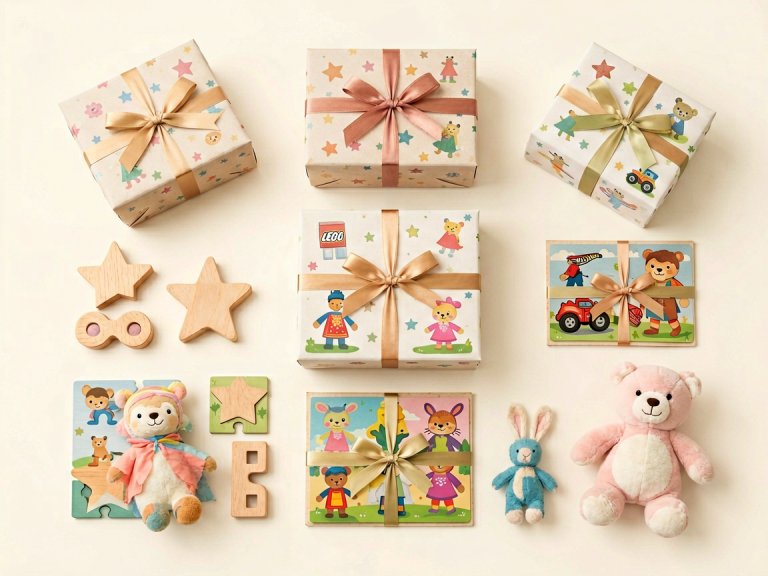
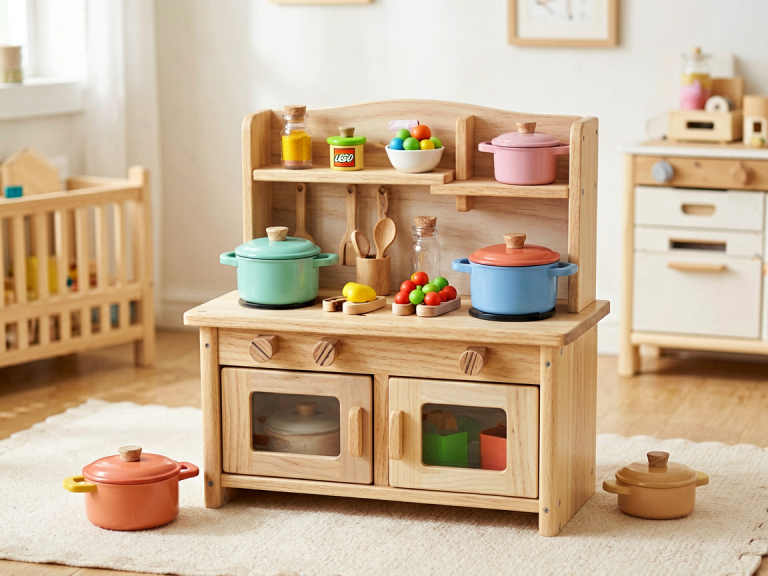
Wooden toys, by their very nature, are often simpler, with fewer bells and whistles. A classic wooden puzzle, a set of building blocks, or a stacking rainbow has no batteries, no flashing lights, and no programmed responses. This simplicity is actually a profound asset. It forces a child to use their own imagination and creativity. Open-ended wooden toys—like a set of plain blocks—can become a tower, a castle, a spaceship, or a farm, depending on the child's whim. This type of play fosters problem-solving, spatial reasoning, and executive function skills. Moreover, the tactile, weighty feel of wood provides rich sensory feedback. The natural grain, the subtle variations in color, the warmth of the material—all these engage a child's senses more deeply than the uniform, cold surface of plastic.
Plastic toys, on the other hand, often come with predetermined functions: a plastic fire truck that makes siren sounds and shoots water, or a talking doll that says specific phrases. While these can teach cause-and-effect and vocabulary, they may also limit a child's role in the narrative. The toy "does the work" for the child, potentially stifling creativity. However, this is not universally true. Many plastic toys—such as Lego bricks, magnetic tiles, or simple plastic animals—are also open-ended and highly creative. The key is not the material itself but the design philosophy. Nevertheless, studies in early childhood development suggest that children engage in longer, more focused play with simpler, less stimulating toys. The slower pace of wooden toys allows for deeper concentration and more elaborate pretend play.
From a sensory and motor development perspective, wooden toys offer a unique advantage in "heavy work"—the resistance and weight that help children develop proprioception (awareness of their body in space). The substantial weight of a wooden block provides more feedback to a child's muscles and joints than a lightweight plastic counterpart. This can be especially beneficial for toddlers learning to grasp, carry, and stack.
Durability, Longevity, and Cost
Parents often assume that plastic toys are more durable because they don't crack as easily as wood. In reality, the opposite is true for many high-quality wooden toys. A solid wood block can withstand being thrown, dropped, and bitten for years, often surviving for decades and being passed down through multiple siblings or even generations. Plastic toys, especially those with thin walls, moving parts, or electronic components, are prone to breaking. A plastic wheel snaps off, a battery compartment corrodes, or a cheap hinge cracks. Once broken, plastic toys rarely can be repaired; they become waste.
That said, wooden toys are typically more expensive upfront. A single wooden stacking tower might cost $30–40, whereas a plastic equivalent with similar functions might be $10–15. However, when viewed as an investment, wooden toys often outlast multiple plastic ones. Moreover, plastic toys frequently break within a year or two, necessitating repurchase. Over a child's early years (birth to age 6), the total cost of ownership for wooden toys can actually be lower, especially if they are resold or passed down. Wooden toys also hold their resale value remarkably well on secondhand markets, whereas plastic toys depreciate rapidly.
It is also worth noting that plastic toys, especially those with digital features, can become obsolete. A plastic tablet toy that runs on outdated software or requires proprietary batteries can frustrate both child and parent. Wooden toys are timeless; a child in 2025 plays with them exactly as a child in 1950 did.
Sensory Experience and Aesthetic Appeal
Finally, we must consider the intangible qualities that influence both child and parent satisfaction. Wood is warm to the touch, has a pleasant natural smell, and develops a beautiful patina over time as it is handled. The slight variations in grain and color make each piece unique. Many parents find wooden toys more visually appealing, fitting seamlessly into a home's decor rather than clashing with it. This aesthetic harmony can reduce visual clutter and create a calmer play environment, which in turn may promote calmer play.
Plastic toys, with their glossy, uniform colors, often feel cold and sterile. They can be visually overwhelming, especially when many bright, fluorescent pieces are scattered around. Moreover, plastics can develop a sticky residue over time or become scratched and cloudy. Electronic plastic toys emit buzzing sounds and blinking lights that can overstimulate young children, potentially contributing to attention difficulties. The American Academy of Pediatrics has warned that excessive screen time and noisy electronic toys can interfere with language development and parent-child interaction. Wooden toys, by contrast, are inherently quiet and peaceful, encouraging children to create their own sounds and narratives.
Conclusion
The choice between wooden toys and plastic toys is not a binary one; many families will benefit from a mix of both. However, the evidence strongly suggests that wooden toys are superior in terms of safety (when made with non-toxic finishes), environmental sustainability, developmental support for open-ended, imaginative play, and long-term durability. Plastic toys have their place—for example, in water play, where wood may warp, or in construction systems like Lego that leverage plastic's precision molding. And plastic toys can be more affordable for families with limited budgets.
Nevertheless, the trend toward minimalist, natural, and sustainable parenting aligns powerfully with wooden toys. As consumers become more conscious of what their children touch and inhale, and as the planet's plastic crisis deepens, the humble wooden block emerges as a quiet hero. It does not beep, flash, or talk, but it invites conversation, creativity, and connection. In the end, the best toy is not the one with the most features; it is the one that most fully engages a child's mind, body, and imagination—and by that measure, wood often wins.