Should I Buy Wooden Blocks for My Kindergartener? A Comprehensive Guide
Introduction
As a parent or educator of a kindergarten-aged child, you are constantly faced with choices about which toys and learning materials to invest in. The market is flooded with plastic gadgets, digital learning apps, and brightly colored playsets, but one classic item has stood the test of time: the humble wooden block. You may be wondering, “Should I buy wooden blocks for my kindergartener?” This question is more nuanced than it appears. While wooden blocks are often celebrated as a timeless educational tool, they also come with practical considerations—cost, safety, storage, and whether they can compete with modern alternatives. In this article, I will explore the benefits and potential drawbacks of wooden blocks specifically for children aged four to six, helping you make an informed decision tailored to your child’s developmental stage and your family’s lifestyle.
The Developmental Benefits of Wooden Blocks
Cognitive Development
One of the strongest arguments for purchasing wooden blocks lies in their profound impact on cognitive development. For kindergarteners, who are rapidly building foundational skills in mathematics, logic, and problem-solving, blocks provide a hands-on, concrete way to explore abstract concepts. When a child stacks blocks and attempts to build a tower, they are unconsciously learning about balance, weight distribution, and gravity. Each time the tower falls, they experiment with new configurations—a process that fosters trial-and-error reasoning and resilience. Research in early childhood education consistently shows that block play correlates with improved spatial awareness, which is a strong predictor of later success in STEM fields. Additionally, sorting blocks by size, shape, or color helps develop classification skills and pattern recognition, essential precursors to mathematical thinking.
Fine Motor Skills and Coordination
Kindergarteners are at a critical stage for refining fine motor control, which directly impacts handwriting, self-care tasks, and later academic performance. Wooden blocks, with their various sizes and weights, require precise hand movements. Picking up a small cube, rotating it to align with another, and carefully placing it without toppling the structure demands coordination between the eyes and hands. Unlike plastic blocks that often snap together easily, wooden blocks rely on pure friction and balance, which challenges children to develop a steady grip and controlled force. Over time, this practice strengthens the small muscles in the fingers and hands, preparing the child for more complex tasks like using scissors or tying shoelaces. Furthermore, the natural texture and weight of wood provide sensory feedback that synthetic materials cannot replicate, enhancing proprioception (awareness of body position) and tactile discrimination.
Creativity and Imagination
In an age of screen-based entertainment and toys with predetermined functions, wooden blocks stand out for their open-ended nature. A set of simple wooden cubes, cylinders, and triangles can transform into anything—a castle, a spaceship, a farm, or a city skyline. This creative freedom is especially valuable for kindergarteners, whose imaginations are blossoming but who may still need concrete props to anchor their fantasy play. Unlike a toy that has a fixed purpose (e.g., a plastic fire truck that only looks like a fire truck), blocks invite children to invent their own narratives. They might assign roles to different blocks, create rules for a game, or collaborate with peers to build a shared world. This type of imaginative play is linked to advanced language development, as children narrate their actions and negotiate with others. It also encourages divergent thinking—the ability to generate multiple solutions to a problem—a key component of creativity.
Social and Emotional Skills
When kindergarteners play with blocks together—in a classroom or at home with siblings—they naturally engage in social learning. They must share materials, take turns, communicate their ideas, and sometimes compromise when two visions clash. A block tower that collapses can lead to frustration, which is an important emotional experience to navigate with guidance. Through block play, children practice self-regulation, patience, and collaborative problem-solving. Teachers often use block centers in kindergarten classrooms to foster these very skills. Even when playing alone, a child learns focus and perseverance: completing a complex structure requires sustained attention and a willingness to overcome setbacks. These emotional competencies are as crucial as academic ones in preparing children for school and life.
Potential Drawbacks to Consider
Cost
Perhaps the most immediate concern for many families is the price. High-quality wooden blocks—made from sustainable hardwoods like maple or beech, with smooth finishes and non-toxic paints—can be surprisingly expensive. A basic set of 100 blocks from a reputable brand may cost $40 to $80, while larger, more elaborate sets can exceed $150. By contrast, a plastic building toy like LEGO Duplo offers similar play value at a comparable or even lower price point, especially when considering the ability to add specialized pieces. However, it is worth noting that wooden blocks are exceptionally durable. With proper care, they can last for decades and be passed down to younger siblings or even the next generation. In that sense, the upfront investment may be more economical over time than cheaper plastic alternatives that break, fade, or lose appeal quickly. Still, for families on a tight budget, the initial cost can be a barrier.
Safety Concerns
Wooden blocks are generally safe, but they are not without risks. For kindergarteners, the most common concern is splinters. Poorly finished blocks—especially those from no-name brands or thrift stores—may have rough edges or cracks that can catch on delicate skin. Another safety issue is weight. A large wooden block dropped on a foot or thrown in frustration can cause more injury than a light plastic piece. Additionally, some wooden blocks are painted with coatings that may contain lead or other harmful chemicals if not properly certified. Parents should always look for blocks that meet strict safety standards, such as those certified by ASTM (American Society for Testing and Materials) or EN71 (European safety standard). Additionally, children who are still mouthing objects (though less common in kindergarteners) should be supervised to prevent choking on small blocks. Overall, with careful selection, the safety risks are minimal, but they are worth acknowledging.
Storage and Maintenance
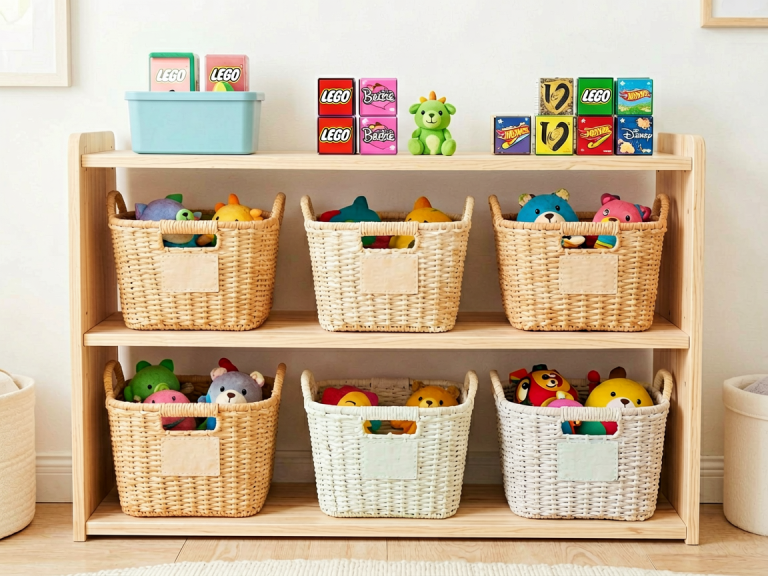
Wooden blocks are heavy and bulky. A typical set of 100 pieces can fill a large storage bin, and if you buy multiple sets, you may find yourself with a considerable pile. Without an organized storage system, blocks quickly become a tripping hazard or get scattered under furniture. Furthermore, wood is porous and can absorb moisture, odors, or stains from messy hands or spills. Cleaning wooden blocks is not as simple as tossing them in the dishwasher; they need to be wiped with a damp cloth and dried immediately to prevent warping. Over time, they may develop scratches or dents that, while charming to some, can accumulate dirt. If you live in a humid climate, you might also need to watch for mold. These maintenance tasks are manageable but require a level of diligence that not all families are willing to commit to.
Factors to Help You Decide
Your Child’s Interests and Play Style
Before buying wooden blocks, consider your kindergartener’s existing preferences. Some children are naturally drawn to construction and building. They love stacking things—be it pillows, cardboard boxes, or plastic cups. For these children, wooden blocks are an almost guaranteed hit. Others may prefer more structured activities like puzzles, drawing, or pretend play with figurines. For them, blocks might feel abstract or frustrating unless you actively engage with them and model how to build. If your child is very active and tends to use toys roughly, the durability of wood is a plus, but you may want to start with a smaller, cheaper set to test the waters. Conversely, if your child has sensory sensitivities, the natural feel of wood might be more soothing than the clatter of plastic or the coldness of metal.
Quality and Material
Not all wooden blocks are created equal. When deciding whether to buy, focus on the quality of the materials and craftsmanship. Look for blocks made from solid hardwood (not plywood or MDF), with rounded edges and a smooth, splinter-free finish. If they are painted or dyed, ensure the pigments are non-toxic and water-based. Some sets come in natural, unfinished wood, which is wonderful for sensory play but may stain more easily. The size of the blocks also matters for kindergarteners: they should be large enough to manipulate comfortably but small enough to allow for detailed building (typically 1 to 2 inches in length for basic cubes). Avoid sets with many tiny specialty pieces that could pose choking hazards or that limit open-ended play. Reputable brands like Melissa & Doug, PlanToys, or Kapla (for wooden planks) are generally safe bets, but smaller artisan brands may offer even higher quality at a similar price.
Alternatives on the Market
Wooden blocks are not the only option for fostering the skills described above. If cost or storage is a major concern, consider alternative building materials. Cardboard building bricks (like those from Imagination Playground) are lightweight, inexpensive, and can be used for large-scale construction. Magnetic tiles (e.g., Magna-Tiles or PicassoTiles) offer similar spatial learning with the added ease of magnets, though they are plastic and may not last as long. Foam blocks are soft and quiet but lack the heft and sensory feedback of wood. Even recycled materials like empty tissue boxes or paper towel rolls can provide building opportunities at no cost. The key is to match the toy to your specific goals: if you prioritize durability, sustainability, and timeless appeal, wooden blocks are hard to beat. If you prioritize budget, portability, or ease of cleaning, other options may serve you better.
Conclusion
So, should you buy wooden blocks for your kindergartener? The answer is a qualified yes—if you are prepared to invest in quality, have a system for storage, and are willing to engage with your child in block play. The developmental gains in cognition, fine motor skills, creativity, and social-emotional growth are well-documented and significant. However, wooden blocks are not a magic bullet. They work best when combined with other types of play and when the adult’s role is that of a facilitator rather than a director. For families on a tight budget, a smaller set or a secondhand purchase from a reputable source can be a wise compromise. For those who already own a variety of building toys, adding a wooden block set may provide a unique, grounding complement. Ultimately, the decision should reflect your child’s personality, your home environment, and your educational values. Given their proven longevity and versatility, investing in a set of wooden blocks is rarely a mistake—and it might just become one of the most cherished toys of early childhood.