should I buy magnetic tiles for elementary school kids
To Buy or Not to Buy: A Comprehensive Guide to Magnetic Tiles for Elementary School Children
正文
Introduction: The Rising Popularity of Magnetic Tiles
In recent years, magnetic tiles have become a staple in classrooms, playrooms, and family homes across the globe. These colorful, geometric shapes embedded with magnets along their edges allow children to build anything from simple squares to elaborate castles, bridges, and even abstract sculptures. As a parent or educator of an elementary school child, you have likely encountered the question: *Should I buy magnetic tiles for my child?* The answer is not a simple yes or no. It requires a careful consideration of developmental benefits, potential drawbacks, cost, and the child’s individual interests and needs. This article will explore the multifaceted arguments for and against purchasing magnetic tiles, providing you with evidence-based insights to make an informed decision.
Developmental Benefits: Why Magnetic Tiles Can Be a Game-Changer
1. Fostering Creativity and Imagination
Magnetic tiles are open-ended toys—they do not come with a fixed instruction manual or a single “correct” outcome. This freedom is crucial for elementary school children, whose imaginations are still blossoming. A child can build a rocket one day and a zoo the next, transforming abstract ideas into tangible structures. Unlike rigid construction sets that prescribe specific models, magnetic tiles encourage divergent thinking: the ability to generate multiple solutions to a problem. This creative flexibility is a foundational skill for innovation and problem-solving in later life.
2. Introduction to STEM Concepts
At the elementary level, children are just beginning to grasp basic principles of geometry, physics, and engineering. Magnetic tiles offer a hands-on way to explore these concepts. For instance, when a child tries to build a tall tower, they intuitively learn about balance, weight distribution, and stability. When they connect two triangular tiles to form a square, they encounter spatial reasoning and symmetry. The magnets themselves teach polarity: opposite poles attract, like poles repel—a direct, tactile lesson in magnetism. Schools increasingly use magnetic tiles in STEAM (Science, Technology, Engineering, Art, Math) curricula because they make abstract ideas concrete and memorable.
3. Fine Motor Skill Development
Manipulating magnetic tiles requires precision. Children must align edges, apply the right amount of force, and carefully place pieces without knocking over their creations. This enhances fine motor control, hand-eye coordination, and manual dexterity. For elementary students who are still refining their handwriting and scissor skills, such practice is invaluable. Moreover, the act of picking up, rotating, and connecting tiles strengthens the small muscles in hands and fingers, which supports overall motor development.
4. Social and Emotional Growth
Magnetic tiles are inherently collaborative. When siblings or classmates build together, they negotiate roles, share resources, and resolve conflicts over design choices. These interactions teach patience, turn-taking, and teamwork. Additionally, completing a complex structure gives children a sense of accomplishment, boosting their self-esteem. When a tower inevitably collapses, they learn resilience and the importance of persistence—lessons that extend far beyond playtime.
Potential Drawbacks: What to Consider Before Buying
1. Cost and Longevity
Quality magnetic tiles are not cheap. A reputable set of 100 pieces can cost anywhere from $50 to $150 or more. Cheaper alternatives may have weak magnets, sharp edges, or toxic materials (e.g., lead or BPA in plastic). Moreover, as children grow older, they may lose interest. Tweens often prefer digital entertainment or more complex hobbies. If you invest in an expensive set, consider its shelf life: will your child still use it after age 10? Some families find that the tiles are used intensively for a year or two, then abandoned. This can make the cost per use quite high.
2. Safety Concerns
While most high-quality brands are manufactured with child-safe materials, there are risks. Small magnets can be swallowed or inhaled, causing severe internal injuries. Even though magnetic tiles are generally larger than choking hazards, the magnets themselves can become dislodged if the tiles are poorly constructed or damaged. Always check for safety certifications (e.g., ASTM, EN71). Also, children under three years old should not play with these sets unsupervised. For elementary school kids, the risk is lower, but vigilance is still required—especially if younger siblings are present.
3. Screen Time vs. Tangible Play
One argument in favor of magnetic tiles is that they offer an offline, screen-free alternative. However, some parents worry that even traditional toys can become boring if not paired with “digital enrichment.” In reality, the challenge is not the toy itself but the competition with screens. If your child already spends hours on tablets, adding magnetic tiles may not automatically reduce screen time; it may simply add another activity to a crowded schedule. The key is to integrate tiles into a balanced play routine, perhaps by designating “building time” as a family activity.
4. Space and Storage
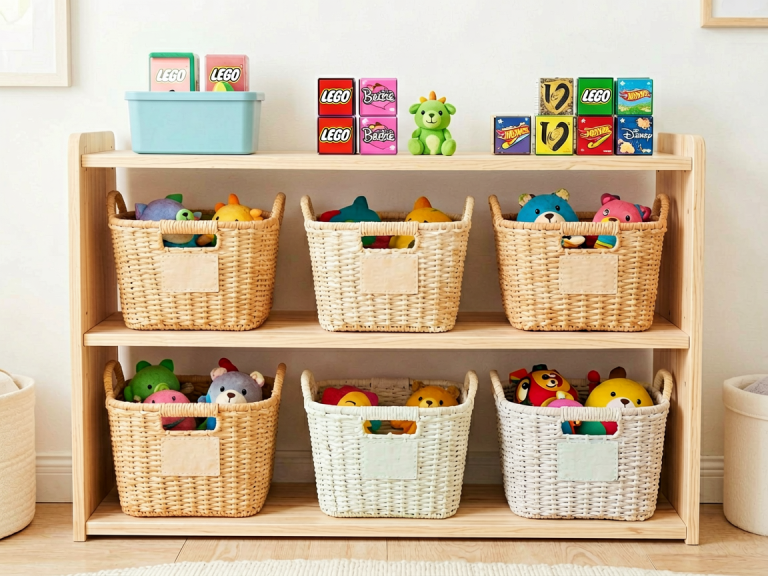
Magnetic tile sets can be bulky. A large collection takes up significant floor space, and without proper storage, pieces can be lost easily. If your home is small or you prefer a minimalist lifestyle, the clutter might become a stressor. Some families manage by using a designated bin or zippered bag, but it requires discipline to keep the set organized. Losing a few tiles can render some building designs impossible, leading to frustration.
How to Choose the Right Magnetic Tiles: A Buyer’s Guide
1. Quality over Quantity
Don’t be seduced by cheap, massive sets. Instead, look for brands like Magna-Tiles, Connetix, or PicassoTiles that use strong, safe magnets and thick, durable plastic. Many high-end sets come with a lifetime warranty. A good rule of thumb: invest in a starter set (e.g., 32–50 pieces) first, then observe your child’s engagement. If they play daily, expand gradually.
2. Age Appropriateness
Most magnetic tile manufacturers recommend ages 3+. But within elementary school (ages 5–11), needs vary. For kindergarteners (5–6), focus on larger, easy-to-handle pieces and bright colors. For older elementary kids (8–11), consider sets with more shapes (e.g., windows, wheels, arches, or even mini-figures) to sustain interest. Some brands offer expansion packs designed for complex builds like moving cars or geometric puzzles.
3. Educational Add-ons
To maximize learning, look for sets that include pattern cards, idea booklets, or online challenges. Some families create their own math problems: “How many squares can you make with 12 triangles?” This turns play into a stealthy math lesson. If your child is particularly interested in architecture or engineering, you might buy a set that includes base plates or ball runs (magnetic marble runs).
4. Consider the Child’s Temperament
Not every child loves open-ended building. Some prefer structured activities like puzzles or craft kits. If your child tends to feel frustrated without clear instructions, magnetic tiles might not be their first choice. In that case, you could combine tiles with guided challenges: “Build the tallest tower that can hold a book” or “Create a house with at least three rooms.” Alternatively, you might try borrowing a set from a friend or the library before committing to a purchase.
Practical Tips for Maximizing the Value of Magnetic Tiles
Integrate Tiles into Daily Learning
Use tiles to visualize math problems: fractions (a triangle is half a square), multiplication (arrange tiles in arrays), or even geometry vocabulary (edges, vertices). For language arts, have your child build a setting from a story they read. This bridges play and academics seamlessly.
Set Up a “Construction Zone”
Designate a small area—a corner of the living room or a low shelf—where tiles are always accessible. Clean-up becomes easier if the zone has a distinct boundary (e.g., a rug or a shallow bin). Encourage your child to store tiles after each session, but allow them to leave standing structures for a day or two to admire their work.
Rotate with Other Toys
To prevent boredom, rotate magnetic tiles with other construction toys (LEGO, wooden blocks) every few weeks. This refreshes novelty. You can also combine tiles with other materials: paper tubes, string, or play dough for sensory exploration.
Model Building Together
Children are more likely to engage if adults participate. Sit down and build a simple bridge, then let your child take over. Ask open-ended questions: “What if we add a ramp?” or “How can we make this taller without it falling?” This not only teaches problem-solving but also strengthens your bond.
Conclusion: A Balanced Verdict
So, should you buy magnetic tiles for your elementary school child? The answer leans strongly toward *yes*, provided that you choose quality products, consider safety, and are willing to involve yourself in the play process. Magnetic tiles offer unparalleled opportunities for creativity, STEM learning, fine motor practice, and social development. They are durable, reusable, and compatible with many other toys. The potential drawbacks—cost, space, and eventual waning interest—can be mitigated with thoughtful purchase decisions and active parental involvement.
If your child shows curiosity about building, enjoys hands-on activities, or struggles with abstract concepts in school, magnetic tiles could be a transformative investment. On the other hand, if your child prefers solitary, screen-based entertainment or has very limited play space, you might start with a small set or a borrowing trial.
Ultimately, the best toys are not the most expensive or the trendiest—they are the ones that spark joy, challenge the mind, and grow with the child. Magnetic tiles, when used thoughtfully, fit that description beautifully. They are not a magic bullet for education, but they are a powerful tool in a child’s developmental toolkit—one that can yield returns far beyond the price tag.