The Hidden Costs of Plenty: Why Buying Too Many Toys Is a Problem
Introduction
In many modern households, the sight of overflowing toy bins, cluttered playrooms, and half-forgotten action figures peeking from under the sofa has become alarmingly common. Walking into a children’s bedroom, you may find piles of plastic dinosaurs, board games missing pieces, and electronic gadgets that beep and flash but no longer spark curiosity. This abundance is often seen as a sign of a loving, generous parent—someone who wants to give their child the best, most stimulating childhood possible. Yet beneath this well-intentioned generosity lies a complex and troubling reality. Buying too many toys is not just a harmless indulgence; it is a problem that affects child development, family dynamics, financial health, and the environment. Understanding why this overconsumption is detrimental can help parents make more mindful choices, ultimately benefiting everyone involved.
The Paradox of Abundance: How Overchoice Undermines Play
One of the most counterintuitive aspects of having too many toys is that it actually diminishes the quality of a child’s play. Psychologists have long studied the concept of “choice overload” or “overchoice,” which demonstrates that when presented with too many options, individuals—especially young children—become overwhelmed and less engaged. A classic study by Sheena Iyengar at Columbia University found that shoppers were more likely to purchase jam when confronted with only six varieties rather than 24. The same principle applies to toys: a child surrounded by dozens of dolls, cars, puzzles, and craft kits often flits from one item to the next, never settling into the deep, sustained play that fosters creativity, problem-solving, and concentration.
Instead of inventing an elaborate narrative for a single stuffed bear, a child with a mountain of options may simply drop the bear after thirty seconds, grab a fire truck, push it across the floor, and then abandon it for a tablet. This pattern of surface-level engagement trains the brain to seek constant novelty, weakening the ability to focus and persist through challenges. In contrast, children with fewer toys tend to invest more attention in each one, discovering new uses, building stories, and developing cognitive flexibility. They learn to entertain themselves without relying on external novelty, a skill that becomes increasingly valuable as they grow.
Impact on Child Development: Creativity, Patience, and Emotional Regulation
A second critical dimension of the “too many toys” problem lies in its effect on core developmental competencies. Creativity flourishes under constraints. When a child has only a handful of blocks, they are forced to imagine them as houses, spaceships, or castles. When they have a dedicated plastic castle with premade turrets and a drawbridge, the imaginative work is done for them. The result is a passive consumption of entertainment rather than an active construction of meaning. Over time, the habit of being entertained by ready-made toys can stifle a child’s natural inventiveness and reduce their tolerance for unstructured, open-ended play.
Furthermore, the abundance of toys can interfere with the development of patience and delayed gratification. Children quickly learn that if they are bored with one toy, there is always another within arm’s reach. This instant turnover of interests undermines the ability to work through frustration or boredom—two essential experiences for building emotional regulation. When a child must persist with a challenging puzzle because there is no shiny alternative to switch to, they develop resilience. Too many toys rob them of these small but powerful learning opportunities.
Emotionally, children may also grow to associate happiness with acquisition. Each new toy delivers a brief dopamine spike, but the pleasure fades rapidly, prompting a desire for the next purchase. This cycle can lay the groundwork for materialistic values that prioritize having over being, potentially leading to lifelong dissatisfaction and compulsive buying habits. Research in consumer psychology shows that children exposed to heavy advertising and frequent gift-giving are more likely to develop a sense of entitlement and less likely to appreciate non-material sources of joy, such as relationships, nature, or creative pursuits.
Environmental Consequences: The Ecological Footprint of Plastic Playthings
The problem of excessive toy buying extends far beyond the playroom walls. The vast majority of toys are made from plastic, petroleum-based materials that require significant energy and resources to produce, package, and transport. According to the World Economic Forum, the toy industry alone uses 40 million tons of plastic annually, much of which ends up in landfills or oceans. Toys are often designed with planned obsolescence in mind—they break easily, batteries die, and trends change rapidly. A plastic doll that takes hundreds of years to decompose might be played with for a total of three hours before being discarded.
The environmental toll is staggering. From the extraction of oil to the emissions from factories to the synthetic dyes and chemicals used, each toy carries a hidden carbon cost. When parents buy dozens of toys per year—sometimes per birthday or holiday—the cumulative effect contributes to climate change, resource depletion, and pollution. Additionally, many toys come in bulky, non-recyclable packaging layered with plastic ties, cardboard, and shrink wrap. The waste generated during a single child’s first five years of life can fill several garbage bins, yet most of it is never reused or recycled. By buying fewer, higher-quality toys, parents can reduce their family’s ecological footprint and model environmental stewardship for their children.
Financial and Familial Stress: The Cost of Clutter
Economic arguments against excessive toy buying are equally compelling. The average American family spends hundreds of dollars each year on toys, often without tracking the total. This spending can strain budgets, especially for families already struggling to meet basic needs. The lure of a “must-have” toy—whether advertised on social media or demanded by a peer group—can lead to impulsive purchases that disrupt long-term financial planning. Over time, the money spent on transient playthings could be redirected toward experiences (e.g., museum trips, park outings, or educational programs) that yield richer and longer-lasting benefits.
Beyond the financial strain, the physical clutter of too many toys creates stress within the home. Constant tidying, lost pieces, and the daily battle to keep the living room floor passable can exhaust parents and lead to conflict. Kids themselves may feel anxious or overwhelmed by the mess, unable to locate a favorite item, and prone to tantrums when they cannot find what they want. A cluttered environment has been linked to increased cortisol levels, decreased focus, and lower overall well-being for both adults and children. By curating a manageable selection of toys, families can reclaim their space, reduce cleaning time, and create a calmer, more harmonious atmosphere.
Cultivating Mindful Consumption: A Path Forward
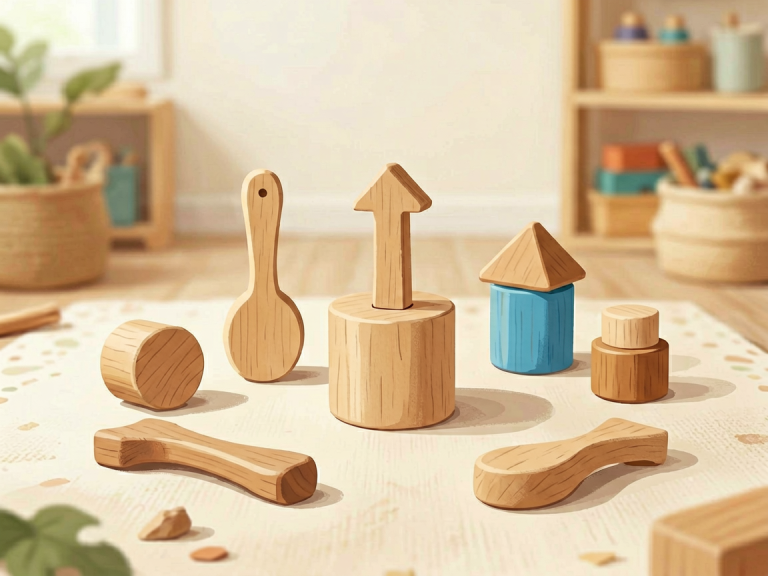
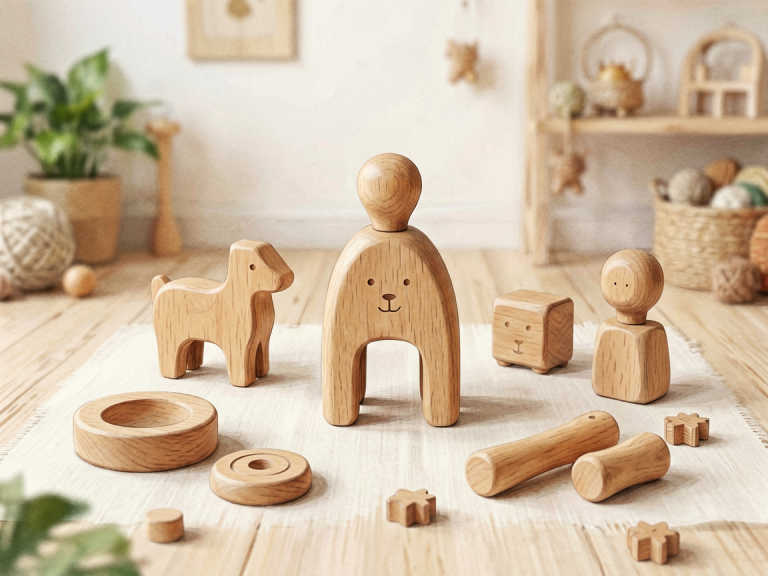
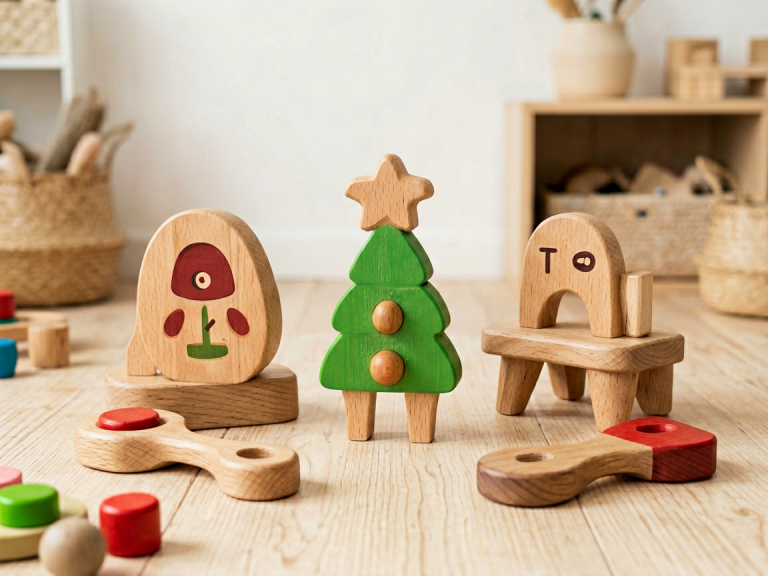
Understanding the problem is only half the battle; the more important step is adopting a healthier approach to toy ownership. This does not mean denying children joy or creativity—quite the opposite. It means choosing quality over quantity, rotation over accumulation, and experiences over things. Parents can implement a toy rotation system, keeping only a few toys accessible at a time and storing the rest. This not only reduces clutter but also restores novelty: when a stored toy reappears after a few weeks, it feels new again. Another effective strategy is to emphasize open-ended toys—building blocks, art supplies, dress-up clothes, and natural objects like stones and wooden pieces—that invite endless creativity. These items support multiple stages of development and seldom become obsolete.
Gifts from relatives and friends can be managed by setting clear guidelines, such as asking for contributions to a college fund, a class experience, or a single high-quality item. Celebrations can shift focus away from material gifts toward shared activities, like a family hike, a homemade birthday game, or a donation to a children’s charity. Teaching children to value people, nature, and experiences over possessions is one of the most powerful gifts a parent can give. When children learn to appreciate what they have rather than constantly craving more, they build a foundation for gratitude, sustainability, and long-term happiness.
Conclusion
Buying too many toys may seem like a harmless expression of love, but its consequences ripple through a child’s development, the family’s finances, the home environment, and the planet itself. Overchoice reduces the depth of play, stifles creativity, and feeds a cycle of materialism. The environmental cost is immense, and the financial strain adds unnecessary stress to already busy lives. Recognizing these problems is the first step toward change. By consciously reducing the number of toys, choosing sustainable materials, and prioritizing experiences and open-ended play, parents can offer their children something far more valuable than a crowded toy box: the freedom to imagine deeply, the patience to persevere, and the wisdom to appreciate less. In a world that constantly urges us to buy more, the most loving act may be to buy less.