The Essential Guide to Toy Sanitizing for 5-Year-Olds: Keeping Play Safe and Healthy
Introduction: Why Toy Sanitizing Matters for This Age Group
At five years old, children are in a golden phase of exploration, imagination, and social interaction. They share toys with friends at preschool, bring them to the playground, and often — despite parents’ best efforts — insert them into their mouths. This age is also a critical period for immune system development. While exposure to some germs can be beneficial, excessive contact with harmful pathogens can lead to frequent illnesses. Toy sanitizing is therefore not just about cleanliness; it is a proactive health strategy that reduces the spread of infections like colds, flu, hand-foot-mouth disease, and gastrointestinal bugs. For 5-year-olds, who are still refining their hygiene habits, sanitizing toys regularly helps create a safer environment without stifling their natural curiosity. This article delves into the science, methods, and best practices for effective toy sanitizing tailored specifically to this developmental stage.
Understanding the Risks: Common Pathogens on Toys
Toys used by 5-year-olds accumulate a surprising diversity of microorganisms. Studies have shown that soft toys can harbor Staphylococcus aureus, Escherichia coli, and even norovirus. Hard plastic toys, especially those with crevices, become reservoirs for respiratory viruses like rhinovirus and adenovirus. When children play together, they exchange not only toys but also nasal secretions, saliva, and skin flakes. A single shared toy can become a vector for illness within a classroom or home. The risk is amplified because 5-year-olds often lack consistent hand-washing discipline and tend to touch their faces, noses, and mouths frequently. Therefore, understanding the pathogens is the first step in choosing appropriate sanitizing techniques. For instance, some viruses are lipid-enveloped and easier to inactivate with alcohol-based solutions, while non-enveloped viruses require stronger disinfectants. However, safety for young children must balance efficacy with non-toxicity — a key theme throughout this guide.
Selecting Safe and Effective Sanitizing Methods
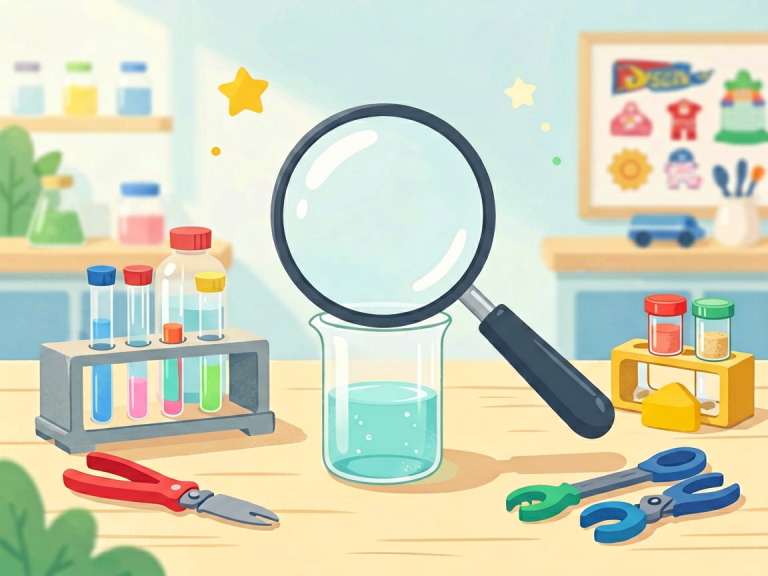
Not all cleaning methods are suitable for toys used by 5-year-olds. Harsh chemicals like bleach (sodium hypochlorite) must be diluted properly and rinsed thoroughly to avoid residue that could be ingested. Alternatively, there are several safer, equally effective approaches:
- Heat-Based Sanitizing – Many hard plastic and silicone toys can be washed in a dishwasher with a hot water cycle (at least 60°C) and a heated drying cycle. This method kills most bacteria and viruses without chemicals. For fabric toys, a wash in hot water with detergent followed by a high-heat tumble dry works well. However, always check the manufacturer’s instructions: some toys may warp or lose shape.
- Alcohol Sprays (70% Isopropyl Alcohol) – A solution of 70% isopropyl alcohol is highly effective against enveloped viruses and many bacteria. It evaporates quickly, leaving no harmful residue. Spray onto toys and allow to air dry for at least 30 seconds. This method is ideal for non-porous surfaces like plastic building blocks or action figures. Avoid using on painted or delicate surfaces as alcohol may strip finishes.
- Hydrogen Peroxide (3%) – Hydrogen peroxide is a gentle yet potent disinfectant that decomposes into water and oxygen. It is safe for most toys and does not produce toxic fumes. Wipe or spray onto toys, leave for 1–2 minutes, then rinse with clean water. It is particularly useful for soft toys that cannot withstand heat.
- White Vinegar Solutions – While vinegar has some antimicrobial properties, it is not a reliable disinfectant against all pathogens. It can be used as a mild cleaner for routine maintenance but should not replace proper sanitizing during illness outbreaks.
- UV Sterilizers – Portable UV-C light devices can sanitize toys in minutes. They are convenient and chemical-free. However, they only affect surfaces directly exposed to light, so toys must be rotated. UV-C is also harmful to skin and eyes, so devices should have safety interlocks. This method works best for non-porous, smooth toys.
Critical Safety Note: Never use products containing bleach, ammonia, or phenol on toys that children will put in their mouths. Always read labels. For children with allergies, consider fragrance-free and dye-free options.
Special Considerations for Different Toy Materials
Five-year-olds have diverse toy collections: wooden blocks, plastic dinosaurs, stuffed animals, board games, art supplies, and electronic gadgets. Each material requires a tailored approach:
- Hard Plastic Toys (e.g., LEGO, toy cars): These are the easiest to sanitize. Wash in the dishwasher (top rack) or soak in warm soapy water, then rinse with a high-temperature water. Alternatively, use alcohol wipes. Avoid soaking electronics or toys with batteries.
- Soft Fabric Toys and Stuffed Animals (e.g., teddy bears, doll clothes): Check the care label. Many are machine-washable. Use hot water and a gentle detergent. Add a cup of white vinegar to the rinse cycle to help deodorize and kill some bacteria. For non-washable plush toys, use a mixture of hydrogen peroxide and water in a spray bottle, then air dry in sunlight (sunlight’s UV rays provide additional sanitization).
- Wooden Toys (e.g., puzzles, train sets): Wood is porous and can swell or crack if submerged. Use a damp cloth with a mild soap solution, then wipe with a 1:10 vinegar-water solution. Never soak wooden toys. Alternatively, use a UV sterilizer. Avoid alcohol on painted or lacquered wood.
- Electronic Toys (e.g., tablets, talking dolls): Unplug or remove batteries first. Clean with a slightly damp microfiber cloth with a small amount of dish soap. For germ removal, use a 70% isopropyl alcohol wipe on non-porous surfaces like the screen and casing — but be careful around speakers and buttons. Avoid any liquid entering openings.
- Art and Craft Supplies (e.g., crayons, play-dough, markers): These are often disposable or non-sanitizable. Replace play-dough frequently. Crayons can be briefly soaked in warm soapy water and rinsed. Markers should be wiped with a disinfectant wipe only on the outside.
Frequency and Routine: How Often Should You Sanitize?
The frequency of toy sanitizing depends on the context. In a household with a single 5-year-old who is healthy, a weekly deep clean of frequently touched toys is sufficient. However, during cold and flu season, or if the child has been sick, increase to daily sanitizing for toys that are shared among siblings or friends. In a preschool or daycare setting, the rule is stricter: toys should be sanitized after each group of children uses them, especially soft toys.
A practical routine for parents:
- Daily: Wipe down high-touch surfaces like toy kitchen sets, play phones, and tablets.
- Weekly: Wash all fabric toys, soak plastic toy bins, and run a dishwasher sanitizing cycle for appropriate hard toys.
- As Needed: Immediately sanitize any toy that has been mouthed by a child who is sick, or that fell on the floor in a public place.
Also, teach your 5-year-old basic hygiene: wash hands before and after playing, and avoid sharing toys that have been in the mouth. This reduces the overall germ load and makes your sanitizing efforts more effective.
Over-Sanitizing: Finding the Balance
While sanitizing is important, over-sanitizing can be counterproductive. Exposing children to some bacteria and viruses helps their immune system develop tolerance and reduces the risk of allergies and autoimmune conditions. The goal is not a sterile environment — that is impossible and unhealthy — but a clean environment that minimizes the transmission of harmful pathogens. Avoid using harsh disinfectants every day on all toys; instead, combine regular cleaning with targeted sanitizing during illness outbreaks. For example, wooden blocks that are rarely mouthed may only need a weekly wipe-down, while plush toys that a child sleeps with should be washed more often. Remember that 5-year-olds are also learning about dirt and germs through play; don’t let sanitizing become an obsession that limits their freedom to explore.
Conclusion: Empowering Healthy Play
Toy sanitizing for 5-year-olds is a practical, evidence-based component of child health. By understanding the pathogens, selecting appropriate methods, and balancing frequency with safety, parents and caregivers can dramatically reduce illness transmission without compromising the joy of play. Every toy — from the beloved stuffed bunny to the box of LEGO bricks — can be kept clean using the right technique. As children grow, they will absorb these habits, learning that cleanliness is not about fear but about care. In the end, a sanitized toy is not just a cleaner object; it is an invitation to play freely, share generously, and grow resiliently. With this guide, you have the tools to ensure that every play session is as safe as it is fun.