The Double-Edged Sword: Pros and Cons of Premium Toy Brands
Introduction
In a world where children’s play is increasingly curated by parents, the allure of premium toy brands has never been stronger. From the handcrafted wooden trains of a certain Swiss company to the meticulously detailed action figures of a Japanese powerhouse, these brands command prices that can rival small electronics or even a weekend getaway. They promise durability, educational value, aesthetic beauty, and a certain cachet that whispers, “Only the best for my child.” Yet beneath the glossy catalogues and minimalist packaging lies a complex reality. Are these premium toys truly worth the investment, or do they represent an expensive trap that fuels consumerism, inequality, and over-scheduling? This article delves deep into the multifaceted pros and cons of premium toy brands, examining their impact on child development, family finances, environmental sustainability, and social dynamics. By exploring both sides of this weighty balance beam, we aim to equip parents, educators, and industry observers with a nuanced understanding of what these luxury playthings truly offer—and what they might take away.
The Allure of Premium Toy Brands: The Pros
Uncompromising Quality and Durability
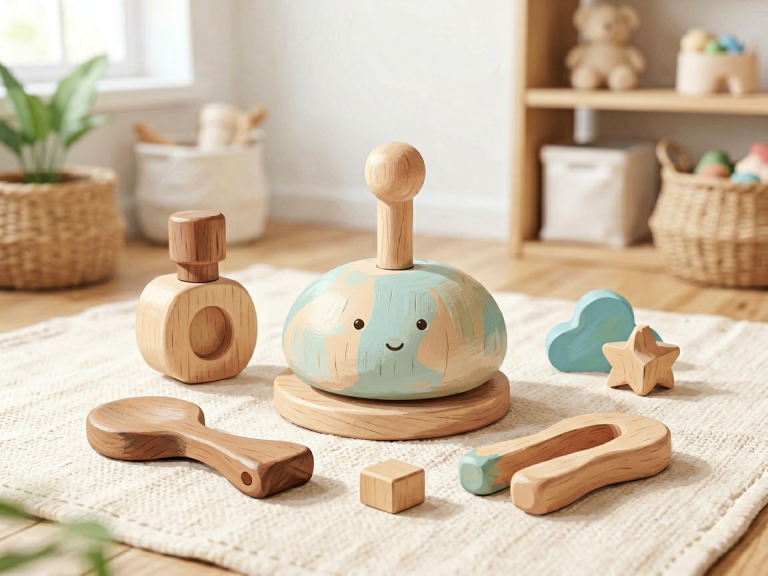
One of the most celebrated advantages of premium toy brands is their exceptional build quality. Unlike mass-market toys that may snap, chip, or fade after a few weeks of enthusiastic play, high-end brands often use superior materials such as solid hardwoods, non-toxic paints, reinforced stitching, and food-grade silicone. A premium wooden block set, for instance, might be sanded to a silky smooth finish, free from splinters, and coated with water-based lacquer that withstands chewing and drool. This durability translates into longevity: a well-made premium toy can be passed down from one child to the next, often surviving a decade or more of use. For families who value heirloom-quality items, these toys represent a sustainable alternative to the disposable plastic toys that end up in landfills. Moreover, the robust construction often means fewer safety hazards—no sharp edges, no easily detachable small parts, and no toxic glues. In a world where countless toy recalls make headlines, premium brands tend to maintain rigorous safety standards, giving parents one less thing to worry about.
Developmental and Educational Value
Many premium toy brands pride themselves on being more than just playthings—they are tools for learning. Brands like Montessori-inspired wooden puzzles, magnetic building tiles with strong patent-protected magnets, and science kits with real microscopes are designed with intentional pedagogy in mind. These toys often encourage open-ended play, which research suggests is critical for developing creativity, problem-solving skills, and executive function. A simple set of beautifully painted stacking cups from a premium brand might be more expensive than a plastic alternative, but its graduated sizes, textured surfaces, and vibrant colors are carefully chosen to stimulate visual tracking, hand-eye coordination, and spatial reasoning. Similarly, high-end construction sets use precision engineering to allow for complex structures that challenge older children, fostering persistence and engineering thinking. When a toy is designed by child development experts rather than marketing teams, the play experience becomes richer and more purposeful. For parents seeking to maximize every moment of playtime, this educational edge is a powerful selling point.
Aesthetic Appeal and Emotional Connection
There is an intangible but undeniable magic in owning a beautifully designed toy. Premium brands understand that children—and adults—are drawn to objects that please the senses. The grain of natural wood, the satisfying clack of a well-tuned xylophone, the soft weight of a hand-sewn organic cotton doll—these sensory details elevate play from mere diversion to a form of art. A child who grows up with aesthetically refined toys may develop a deeper appreciation for craftsmanship and design. Furthermore, many premium toys are modeled after classic characters from literature or history, or they are created by renowned artists, making them collectible items that can hold sentimental value for years. The emotional bond between a child and their favorite premium toy—perhaps a limited-edition stuffed animal or a hand-painted porcelain doll—can become a cherished part of childhood memories. Unlike the fleeting novelty of a cheap gadget, these toys often inspire storytelling, imaginative role-play, and quiet companionship.
Brand Trust and Customer Service
When you pay a premium price, you often receive premium service. Leading toy brands typically offer generous warranties, easy replacement of missing parts, and responsive customer support. For instance, some high-end wooden toy companies will send a replacement piece for free if a child damages it, or they provide detailed repair instructions. This level of care reduces the frustration of owning a broken toy and demonstrates a commitment to long-term satisfaction. Additionally, these brands are frequently transparent about their supply chains, using certified sustainable forestry, fair-trade labor, or B Corp status. For ethically conscious consumers, this transparency is invaluable. They can rest assured that their purchase supports responsible manufacturing practices rather than exploitative labor or environmental degradation.
The Hidden Costs of Premium Toy Brands: The Cons
Exorbitant Price and Financial Strain
The most obvious drawback is the cost. Premium toys can cost three to ten times more than generic alternatives. A single wooden toddler puzzle may retail for $35, while a similar plastic version costs $8. A high-end dollhouse can easily exceed $500, not including the miniature furniture that sold separately. For families on a tight budget, the pressure to keep up with these brands can create significant financial strain. Some parents feel guilted into buying expensive toys by social media influencers or parenting forums that equate premium brands with “good parenting.” This phenomenon, sometimes called the “toy arms race,” leads to unnecessary debt and narrows the definition of what constitutes a meaningful childhood. In reality, research consistently shows that simple, inexpensive objects—cardboard boxes, sticks, cooking utensils—can be just as stimulating as costly toys. The price tag does not guarantee better developmental outcomes; it often just reflects marketing and branding.
Reinforcement of Consumerism and Status Anxiety
Premium toy brands thrive on exclusivity and status signaling. This can inadvertently teach children that material possessions are a measure of worth. When a child receives a coveted brand-name toy, they may begin to associate happiness with acquisition, and when their friends own the latest premium release, they may feel inadequate without it. This cycle feeds a culture of comparative consumption, where the joy of play is overshadowed by the desire to have the “right” toy. Furthermore, many premium brands release limited editions or seasonal collections, encouraging parents and children to constantly seek the next new thing. This consumerist mindset clashes with the values of sustainability and gratitude that many families try to instill. Instead of teaching children to treasure what they have, premium toys can unwittingly promote a throwaway culture—even if the toys themselves are durable.
Over-Engineering and Reduced Creativity
Paradoxically, some premium toys are so meticulously designed and prescriptive that they limit creative play. A superbly detailed dollhouse with tiny, lifelike furniture and predetermined room layouts may leave little room for imagination compared to a simple set of building blocks that can become anything. Similarly, an expensive electronic toy that lights up, makes sounds, and follows a fixed script can turn a child into a passive viewer rather than an active creator. The very features that make premium toys attractive—their realism, their completeness, their aesthetic perfection—can also stifle open-ended exploration. In contrast, a cheap cardboard box invites endless transformations: a cave, a spaceship, a castle, a car. The premium toy, however beautiful, might be too “finished” to become something else. For parents who value creativity and resourcefulness, this is a significant downside.
Environmental and Ethical Questions
While many premium brands claim to be eco-friendly, the truth is more nuanced. The production of high-quality materials often requires more energy and resources. Hardwood, for example, may be sourced from certified forests, but transporting heavy wood products across continents generates a substantial carbon footprint. Moreover, the long lifespan of premium toys can be a double-edged sword: if a family discards a toy after one child because it is not in style or because the child loses interest, the environmental cost of producing that toy is not offset by decades of use. And some premium brands, despite their high prices, still use plastic components, glues, or packaging that are not biodegradable. Additionally, the premium toy market is not immune to labor issues; while some brands are transparent, others may hide exploitative practices behind a veil of luxury marketing. For truly ethical consumers, discerning which brands are genuinely sustainable requires deep research that not every parent has time for.
Social Inequality and Exclusion
Perhaps the most troubling con is the way premium toy brands can exacerbate social divisions. In schools and playgrounds, children may stigmatize those who do not own the latest popular premium toy, creating a hierarchy based on possessions. A five-year-old with a generic action figure might feel left out when peers compare their authentically branded collectibles. This peer pressure extends to parents, who may feel compelled to participate in the premium economy just to help their child “fit in.” The result is a widening gap between families who can afford these toys and those who cannot, reinforcing class distinctions from the earliest ages. While no brand sets out to cause exclusion, the marketing strategies that emphasize scarcity and aspiration inevitably contribute to this dynamic. For communities where economic disparity is already a challenge, the presence of premium toys can become a painful reminder of inequality.
Conclusion
Premium toy brands are neither inherently good nor evil—they are tools, and like any tool, their value depends on how they are used. On one hand, they offer remarkable quality, educational depth, aesthetic beauty, and ethical assurance that can enrich a child’s play experience for years. On the other hand, they can fuel financial stress, consumerism, rigidity in play, environmental concerns, and social stratification. The wise parent or educator does not demonize premium toys nor worship them. Instead, they approach each purchase with intentionality: asking whether the toy truly supports the child’s developmental stage, whether it aligns with family values, whether it will be used in open-ended ways, and whether its cost is justified by its longevity. Ultimately, the best toy—whether premium or budget—is one that encourages a child to wonder, to imagine, to build, and to connect with others. The brand name is merely a detail; the magic of play does not come from a logo, but from the spark within the child.