The Costly Mistake of Buying Toys That Break Easily: Lessons in Consumer Wisdom
Introduction
Every parent, aunt, uncle, or well-meaning friend has been there: standing in a brightly lit toy aisle, faced with an avalanche of colorful options. The plastic glitters, the packaging promises boundless joy, and the price tag whispers temptation. Yet, within days—or sometimes hours—of unwrapping that shiny new plaything, a crack appears, a wheel falls off, or a battery compartment refuses to close. The toy that was supposed to spark imagination instead sparks frustration. This scenario is all too familiar, and it represents a widespread mistake in consumer behavior: buying toys that break easily. While the initial purchase may seem harmless, this error carries hidden financial, environmental, and developmental costs that ripple far beyond the broken plastic. Understanding why we fall into this trap, what it truly costs us, and how to avoid it is essential for anyone who wants to make smarter, more responsible choices—not just for their wallet, but for their children and the planet.
The Allure of Cheap and Fragile Toys
Why do we keep buying toys that are destined to break? The answer lies in a combination of psychological triggers, marketing tactics, and simple convenience.
First, the price. Low-cost toys are undeniably attractive. A $5 action figure or a $10 plastic playset seems like a small price to pay for a child’s happiness. In a world where budgets are tight, the temptation to grab an inexpensive item is strong. But as the old saying goes, “You get what you pay for.” Cheap toys are often made from thin, brittle plastic that cannot withstand even moderate use. Their seams are poorly glued, their moving parts lack reinforcement, and their design prioritizes aesthetics over durability.
Second, the packaging. Toy manufacturers know that children are drawn to bright colors, flashing lights, and familiar characters from movies or cartoons. A toy that looks exactly like the one in the latest blockbuster film sells quickly, regardless of its build quality. Parents, eager to see their child’s eyes light up, often overlook the flimsy materials. The phrase “batteries not included” is a minor annoyance compared to the disappointment of a toy that stops working after three plays.
Third, the “disposable” mindset. Modern consumer culture encourages a cycle of buy-use-break-replace. We have grown accustomed to products that are not meant to last. This is especially true for children’s items, as parents assume that kids will outgrow the toy or lose interest before it breaks. Consequently, durability becomes a low priority. The mistake of buying breakable toys is thus rooted in a deeper cultural assumption that fun is temporary and cheap.
The Hidden Costs: Financial, Emotional, and Developmental
At first glance, a broken toy seems like a minor loss. But let’s examine the real price tags attached to these flawed purchases.
Financial Drain
When a cheap toy breaks, the natural reaction is often to buy another one. This creates a cycle of repeat spending. A $10 toy that lasts two weeks costs $260 per year if you replace it every two weeks. Compare that to a $40 toy that lasts for years. The math is clear: cheap toys are often more expensive in the long run. Moreover, broken toys often lead to additional purchases—replacement parts (if available), new batteries, or entirely new sets to fill the void. The cumulative effect on a family’s budget can be significant, especially for households with multiple children.
Emotional Frustration
For children, a broken toy can be genuinely upsetting. Young kids, especially those between the ages of two and six, form bonds with their possessions. A favorite doll, a cherished car, or a beloved robot becomes a companion. When that toy shatters, the child feels a sense of loss and confusion. Parents then face the emotional labor of soothing a disappointed child, explaining that “things break,” and dealing with tears that could have been avoided. For adults, the frustration is equally real—wasting money on something that didn’t deliver on its promise is demoralizing.
Impact on Learning and Development
Toys are not just entertainment; they are tools for learning. A well-designed toy can teach problem-solving, fine motor skills, creativity, and patience. A fragile toy, however, often discourages active play. Children quickly learn that if they apply too much force or experiment too vigorously, the toy will collapse. This can inadvertently teach caution and timidity rather than exploration. Furthermore, when a toy breaks, the play session ends abruptly, robbing the child of the chance to engage in sustained imaginative play. Developmental psychologists note that durable, open-ended toys—such as wooden blocks, sturdy dolls, or quality construction sets—foster deeper cognitive engagement. Fragile toys, by contrast, are more likely to become clutter in the toy box, forgotten or discarded.
The Environmental Toll of Disposable Playthings
The mistake of buying breakable toys extends far beyond household budgets. It contributes to a global environmental crisis.
Most cheap toys are made from non-recyclable plastics. When they break—and they will—they end up in landfills, where they can take hundreds of years to decompose. The production of these toys also consumes fossil fuels, water, and energy. According to estimates, the toy industry generates millions of tons of plastic waste annually. A significant portion comes from low-quality, short-lived items. Additionally, many cheap toys are mass-produced in factories with lax environmental regulations, adding to pollution.
The environmental harm is compounded by the fact that broken toys are rarely repaired. Attempts to glue them often fail because the plastic is too thin or the damage is structural. So the toy is thrown away, and a new one is bought. This linear “take-make-dispose” model is unsustainable. By choosing durable toys, consumers can reduce waste, conserve resources, and send a signal to manufacturers that longevity matters. Remember: every time you buy a toy that breaks easily, you are voting with your wallet for a throwaway culture.
Teaching Children the Wrong Lessons
Children learn by observing the behavior of adults around them. When parents routinely buy flimsy toys and then discard them without a second thought, they inadvertently teach several problematic lessons.
First, they teach that objects have little value. A toy is treated as a disposable commodity rather than something to be cared for and maintained. This mindset can extend to other possessions—electronics, clothing, furniture. Children who grow up in a disposable culture may struggle with concepts of thrift, repair, and stewardship.
Second, they teach that quick gratification matters more than quality. The thrill of the unboxing overshadows the long-term satisfaction of owning a well-made item. This can contribute to a pattern of impatience and impulsivity.
Third, they teach that money is easily wasted. When a child sees a toy break and a replacement appear within days, the connection between effort and reward is blurred. Financial literacy begins early, and witnessing careless spending can foster a lack of respect for money.
On the flip side, when parents choose durable toys and even repair them when possible, they model responsibility, resourcefulness, and environmental consciousness. Children learn that toys—and everything else—deserve care.
How to Avoid the Mistake: A Practical Guide
Avoiding the trap of buying breakable toys requires a shift in mindset and a few practical strategies. Here is a step-by-step approach.
1. Prioritize Materials Over Glitz
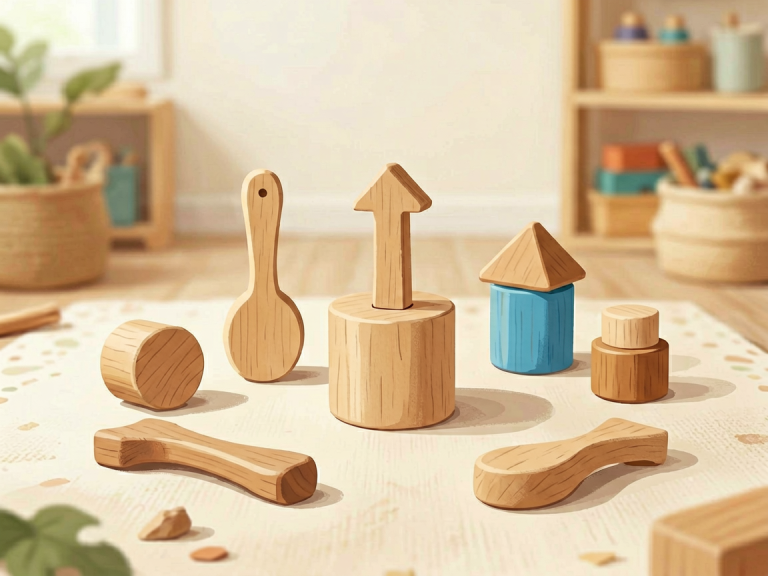
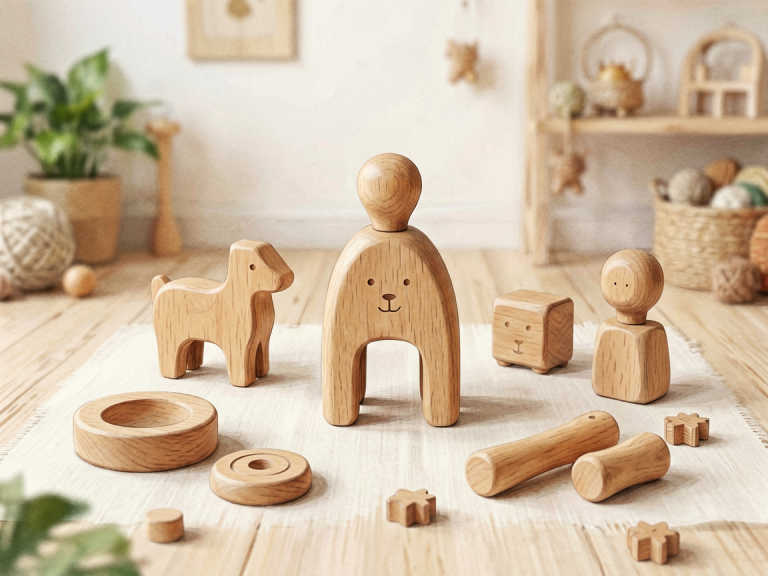
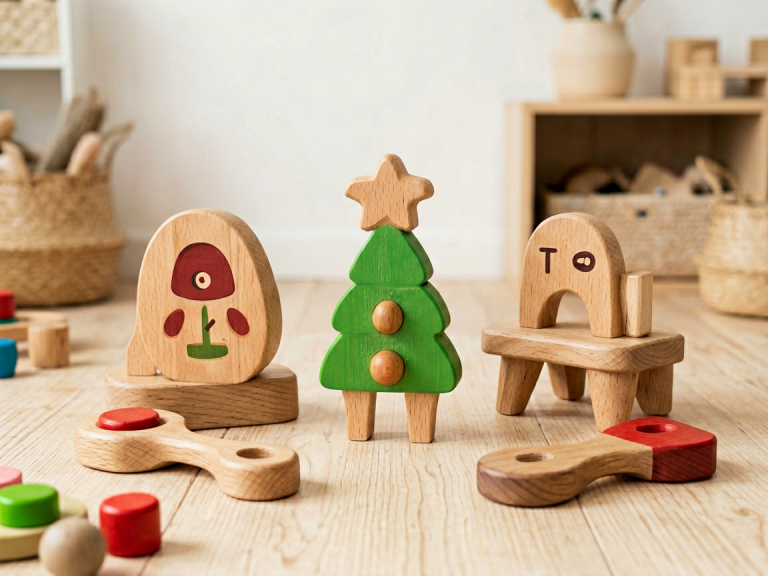
Before buying a toy, examine its construction. Is it made of solid plastic, wood, or metal? Avoid toys that feel hollow or have sharp seams. Wooden toys, for example, are naturally durable and often have a timeless appeal. High-quality plastics (like ABS) are far stronger than the cheap, polyethylene types used in many budget toys.
2. Read Reviews and Check Durability Ratings
Online reviews are a goldmine. Look for comments that mention “fell apart after a week” or “my child played with this for years.” Some websites even have durability ratings. Pay attention to warning signs such as “batteries required,” which can indicate a toy that relies on electronics that are prone to failure.
3. Choose Open-Ended and Classic Toys
Toys that promote creativity—building blocks, art supplies, dolls with simple accessories, puzzles made of thick cardboard—tend to last longer because they are not tied to a single gimmick. Classic toys have survived generations for a reason: they work.
4. Resist the Urge to Buy Licensed Merchandise
Toys based on blockbuster movies or TV shows are often rushed to market with low quality. The license fee eats into the production budget, so corners are cut on materials. Instead, consider generic versions of similar toys.
5. Embrace the “One Toy, One Year” Rule
Instead of buying many cheap toys, invest in fewer, higher-quality items. Encourage your child to form a deeper attachment to each toy. This not only saves money but also teaches patience and gratitude.
6. Teach Repair Skills
When a toy does break (even durable ones can fail), involve your child in the repair process—gluing, tightening screws, or sewing. This teaches problem-solving and a respect for objects.
7. Support Responsible Brands
Look for toy companies that prioritize durability, use sustainable materials, and offer warranties. Some brands even sell replacement parts. Supporting them sends a message to the market.
Conclusion
The mistake of buying toys that break easily is both common and costly. It drains finances, frustrates children and adults, damages the environment, and teaches poor values. But it is a mistake we can correct. By shifting our focus from flashy, cheaply made playthings to durable, thoughtfully crafted alternatives, we can save money, reduce waste, and foster healthier play habits. The next time you stand in that toy aisle, remember: a toy that breaks is not a bargain. It is a losing investment. Choose wisely, and you will not only buy a toy—you will buy joy that lasts.