The Ultimate Guide to Choosing Travel Toys: Essential Tips for Stress-Free Family Journeys
Traveling with children can be a rewarding adventure, but it also comes with its fair share of challenges. One of the most effective ways to keep little ones engaged, calm, and entertained during long car rides, flights, or train journeys is by packing the right travel toys. However, choosing the perfect toys for travel is not as simple as grabbing a few items from the toy box. Poorly selected toys can lead to clutter, boredom, or even meltdowns mid-trip. This comprehensive guide offers practical, research-backed tips to help parents and caregivers select travel toys that maximize fun, minimize stress, and suit every stage of a child’s development. Whether you are planning a cross-country road trip or a short weekend getaway, these insights will transform your travel experience.
Why the Right Travel Toys Make a Difference
Travel toys are more than just distractions; they are tools for learning, comfort, and emotional regulation. A well-chosen toy can turn a restless child into an engaged explorer, reduce anxiety in unfamiliar environments, and even foster family bonding. On the other hand, the wrong toy—too noisy, too messy, or too bulky—can quickly become a source of frustration. Understanding the purpose behind travel toys helps parents make smarter choices. For instance, toys that encourage quiet, independent play are ideal for airplanes, while interactive games work better during longer stops. Additionally, travel toys can serve as a bridge between the familiar and the new, providing a sense of security when children are far from home. By keeping these benefits in mind, you can approach the selection process with intentionality.
Key Factors to Consider When Choosing Travel Toys
Before you start packing, evaluate each potential toy against several critical criteria. These factors will determine whether a toy is truly travel-friendly or just another item that ends up scattered on the floor.
Portability and Size
The first rule of travel toy selection is “size matters.” Toys that are too large will eat up valuable luggage space and become cumbersome for your child to carry. Opt for compact items that can fit into a small carry-on bag or a child’s backpack. Think magnetic drawing boards, small puzzles, or collapsible play mats. However, avoid toys that are so tiny they pose a choking hazard or are easily lost. A good rule of thumb is to choose items roughly the size of a child’s hand or smaller, but with sturdy, chunky parts.
Durability and Material
Travel toys undergo more abuse than toys at home. They are tossed into bags, dropped on airport floors, and occasionally used as teething rings. Choose toys made from non-toxic, durable materials like silicone, hard plastic, or reinforced cardboard. Avoid fragile items with tiny pieces that can break off easily. Also consider washability—toys that can be wiped clean or tossed into the washing machine are a lifesaver after a sticky snack or a spill.
Noise Level
This is perhaps the most overlooked factor. A toy that makes loud, repetitive noises might entertain your child but will quickly annoy fellow passengers on a plane or bus. Look for toys with volume controls, or better yet, choose quiet toys like soft books, travel-sized LEGO sets (without the noisemaker), or activity cards. If you do bring a sound-making toy, bring headphones designed for children. Conversely, toys that produce soothing sounds, like a small musical instrument or a lullaby player, can actually help calm a fussy baby.
Mess Potential
Avoid anything that involves loose parts, sand, water, glue, or paint unless you are prepared for a cleanup. While some parents swear by mess-free art kits (e.g., water-reveal coloring pads), traditional markers and stickers can end up everywhere. Travel-friendly art supplies include twistable crayons (no peeling), sticker books with reusable stickers, and magnetic dolls or scenes. Also, be wary of toys that generate crumbs or residue—Play-Doh, for example, is best left at home.
Engagement Longevity
A toy that holds your child’s attention for five minutes is not worth the space. Prioritize toys with open-ended play possibilities, meaning they can be used in multiple ways. A set of animal figures can be used for storytelling, sorting, or imaginative play. Building blocks, nesting cups, and simple puzzles offer long-lasting engagement. Additionally, choose toys that match your child’s current developmental stage. What fascinated them last month might now feel babyish.
Age-Appropriate Travel Toy Suggestions
Tailoring your choices to your child’s age and interests is crucial. Below are specific recommendations for different age groups, based on common developmental milestones and travel logistics.
Babies (0–12 months)
For infants, stimulation is key, but overstimulation can be harmful. Look for toys that are easy to grasp, safe to mouth, and produce gentle sensory feedback. Excellent choices include soft crinkle books, silicone teethers with different textures, rattles (preferably soft or wooden), and activity gyms that attach to the car seat. A small mirror that clips onto the stroller can also fascinate a baby. Avoid anything with long strings or detachable parts. For plane travel, consider a baby carrier rather than a bulky toy set, and bring one or two beloved comfort items like a lovey or pacifier clip.
Toddlers (1–3 years)
Toddlers have short attention spans but a strong desire for independence and control. They love toys that involve simple actions like pushing, pulling, sorting, and stacking. Ideal travel toys for this age include magnetic building tiles, shape sorters, pop-up toys, and board books with flaps. A busy board with zippers, latches, and knobs can keep a toddler occupied for a surprising amount of time. Sticker books (reusable ones are best) and water-reveal coloring mats work wonderfully. Avoid toys with many small pieces—stick to chunky puzzles or single-piece action toys.
Preschoolers (3–5 years)
Preschoolers thrive on imaginative play and simple games. They also enjoy small figures (animals, people, cars) that they can use to create stories. Consider a travel-sized Playmobil or LEGO set with a small baseplate, but only if the pieces can be contained in a zippered bag. Activity cards for “I Spy” or simple memory games are perfect for family interaction. Magnetic paper dolls, lace-up cards, and sticker mosaics also engage fine motor skills. For quiet time, a small LCD writing tablet (like Boogie Board) or a lacing toy can be a lifesaver. Avoid electronic toys that require constant battery changes unless you pack extra batteries.
School-Age Children (6+ years)
Older children can handle more complex toys and activities, but they also get bored quickly. Travel-friendly options include advanced puzzles, handheld electronic games (with headphones), travel board games (e.g., magnetic chess or checkers), and activity books with crosswords, mazes, and word searches. Creativity kits like origami paper, travel-sized clay, or drawing journals are excellent. For long trips, consider a digital tablet loaded with educational apps or audiobooks—but balance screen time with screen-free toys. Also, pack a simple card game (like Uno or Go Fish) for family bonding.
Space-Saving and Multi-Functional Toy Strategies
When luggage space is at a premium, smart packing techniques and multi-functional toys are your best friends. Here are practical strategies to maximize entertainment without filling your suitcase.
Use the “One-In, One-Out” Rule
Limit the number of toys to a small selection. A good approach is to choose one or two new toys (bought specifically for the trip, which adds novelty) plus two or three old favorites. For each item you pack, remove a similar item from your bag. This keeps the total count manageable. Also, consider using a single, clear, zippered pouch for all small toys so nothing gets lost.
Convert Ordinary Items into Toys
Sometimes the best travel toys are everyday objects. A simple cardboard tube can become a telescope or a “speaking horn.” A pack of sticky notes can be used for drawing, writing messages, or sticking on the seat back. Snack containers can double as building blocks or stacking towers. Encourage your child to use their imagination—this not only saves space but also sparks creativity.
Opt for Digital-Free Alternatives
While tablets are convenient, they don’t always engage children in active play. Consider toys that combine physical and digital elements, like an interactive pen that reads book pages (LeapFrog LeapReader) or a subscription to a storytelling app that uses physical props. However, remember that screens can overstimulate some children; always have a few traditional toys as backup.
Foldable and Collapsible Designs
Look for travel-specific versions of classic toys: foldable magnetic chessboards, collapsible silicone bowls that double as stacking toys, or compact foldable play tents (though these take up more space). Many brands now offer travel-themed sets—for example, a “travel trunk” that transforms into a mini playmat with storage pockets.
Tips for Keeping Toys Organized and Accessible
Even the best travel toys become useless if they are buried at the bottom of your bag or if pieces scatter everywhere. Organization is key to maintaining peace during a journey.
Use a Dedicated Toy Bag
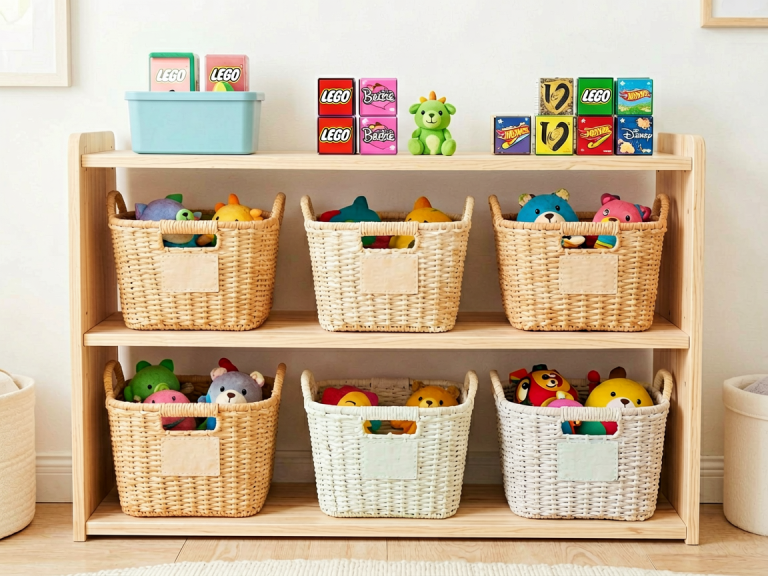
Give your child their own small backpack or tote bag (like a child-sized drawstring backpack) that holds their toys. Let them help pack it, so they feel ownership. This also makes it easy to pull out toys during layovers or rest stops. Avoid using a large family bag where toys might get mixed with diapers and snacks.
Rotate Toys During the Trip
Surprise your child by introducing a toy gradually. Pack a few toys in your carry-on, but also stash a few more in a separate, easily accessible bag for later in the trip. For example, on a multi-hour flight, give one toy at the beginning, then pull out a “new” one after two hours. This creates novelty and stretches the entertainment value.
Embrace the “Ziploc Bag System”
Use gallon-sized resealable plastic bags to contain toys with many small pieces. Write the toy name on the bag with a permanent marker. When playtime is over, you can quickly scoop everything back into the bag. This prevents pieces from rolling under seats. Also, bring a few extra empty bags for storing trash or damp items.
Prepare a “Emergency Toy Kit”
Have a small pouch or case that you keep within arm’s reach containing a few ultra-high-value items: a favorite small car, a mini slinky, a pocket kaleidoscope, or a surprise packet of stickers. This kit is reserved for moments of extreme fussiness or unexpected delays. Use it sparingly to maintain its power.
Conclusion: The Art of Choosing Travel Toys
Selecting the right travel toys is both a science and an art. It requires understanding your child’s temperament, the constraints of your trip, and the unique properties of different toys. The goal is not to bring an arsenal of entertainment, but to curate a small, thoughtful collection that supports your child’s curiosity, independence, and comfort. Remember that the best travel toy often isn’t a toy at all—it’s your undivided attention, a shared game of “I spy,” or a story you tell together. Nevertheless, a few well-chosen companions can turn a long, tedious journey into a series of small adventures. By following the tips in this guide—considering portability, noise, mess, age, and longevity—you can travel with confidence, knowing you have the tools to keep your child engaged and your sanity intact. Happy travels, and may your journeys be filled with laughter rather than tears!