The Ultimate Guide: How to Choose Travel Toys for Stress-Free Journeys
Traveling with children—or even with your own inner child—can be a wonderfully enriching experience, but it often comes with the universal challenge of boredom. Whether you are boarding a long-haul flight, embarking on a cross-country road trip, or settling into a train ride, the right travel toys can transform restless minutes into engaging hours. However, choosing the wrong ones can lead to clutter, frustration, or toys that are quickly abandoned. This comprehensive guide will walk you through the essential criteria, age-specific recommendations, and smart strategies to help you select travel toys that are compact, durable, educational, and—most importantly—fun. By the end, you will be equipped to pack a travel toy kit that turns any journey into an adventure.
—
Understanding Your Travel Context
Before you even look at a single toy, you must first map out the realities of your trip. The perfect travel toy for a two-hour car ride will be completely different from what you need for a ten-hour international flight. Consider these contextual factors:
Mode of transportation
In a car, children have more freedom of movement and storage space, but small pieces that fall under seats can be a nightmare. On a plane, space is severely limited, and you must consider noise levels and items that can be easily dropped into the narrow gaps between seats. On a train, there is often a small fold-down table that allows for more structured play. Each environment imposes constraints—for example, a noisy toy that amuses your toddler might irritate fellow passengers in an airplane cabin. Similarly, a large playset that would be fine in a car trunk is impossible to carry through an airport terminal.
Trip duration and schedule
A short trip may require only one or two highly engaging toys that provide instant gratification. A longer journey demands variety—toy rotation becomes essential. If you have planned stops or layovers, you can include toys that are best played on solid ground (such as a small ball or a jump rope). Also consider the time of day: will the travel occur during nap time or bedtime? In that case, a quiet, sleep-inducing comfort toy or a soft book might be far more valuable than a bright, noisy activity set.
Number of children and age range
If you are traveling with siblings close in age, choose toys that encourage cooperative play—or, conversely, separate items to avoid conflicts over sharing. For a mixed-age group, look for toys that offer different levels of difficulty or can be played independently by each child. A set of magnetic blocks, for example, can be used by a toddler to stack simple shapes and by an older child to build complex structures.
—
Key Factors to Consider When Selecting Travel Toys
Once you have a clear picture of your travel context, evaluate each potential toy against a set of universal criteria. The best travel toys strike a balance between engagement, portability, and practicality.
Portability and size
This is the most obvious yet most frequently overlooked factor. A toy should fit easily into a carry-on bag, a diaper bag, or even a pocket. Bulky items like oversized stuffed animals or large board games are rarely worth the space. Look for compact versions: travel-sized magnetic drawing boards, foldable silicone activity mats, or mini building block sets that come in small zippered pouches. Remember that you will also have to carry other essentials—snacks, wipes, electronics—so every cubic inch counts.
Weight and materials
Heavy toys add unnecessary strain when you are already juggling luggage. Opt for lightweight materials such as felt, foam, silicone, or thin plastic. Additionally, consider the texture and safety of materials, especially for babies and toddlers who put everything in their mouths. BPA-free, non-toxic, and washable materials are a must. During long trips, toys will inevitably get dropped on floors of bus stations or airport terminals; choose toys that can be easily wiped clean or even tossed into a washing machine.
Noise level
Respect for other travelers is a golden rule. Avoid toys that produce loud electronic sounds, repetitive sirens, or high-pitched squeaks unless you are certain the environment is tolerant (e.g., a family-friendly train car). Instead, choose quiet alternatives: silent fidget spinners, cloth books with crinkle pages, or drawing tablets that require no power. The exception might be interactive toys with headphones, but that adds extra weight and battery dependency.
Durability and longevity
Travel toys endure rough handling—tossed into overhead bins, dropped on pavement, squished into cramped seats. Cheap plastic toys that break on the first day will only lead to tears and frustration. Look for toys that are sturdy and designed for repeated use. Also consider whether the toy will continue to hold the child’s interest beyond the trip. A one-time activity kit might be perfect for a single flight, but a versatile toy like a travel-sized puzzle or a magnetic dress-up set can provide entertainment across multiple journeys.
Educational and interactive value
Time spent traveling can be a golden opportunity for learning. Opt for toys that stimulate creativity, problem-solving, or language skills. For instance, a set of travel flashcards can teach vocabulary or numbers; a simple tangram puzzle develops spatial reasoning; a storytelling dice set encourages imagination. Interactive toys that involve the parent (e.g., a “find it” game or a travel bingo card) also strengthen bonding and keep everyone engaged. Be cautious, however, not to overload the child—some journeys are best spent simply looking out the window.
Mess potential
Avoid toys that come with loose glitter, small beads, or liquid components (like paint or slime) unless you are prepared for cleanup disasters. Crayons that melt in hot cars, markers that leak, or water-based toys that spill are best left at home. If an activity involves creating something, consider mess-free versions: water-based drawing mats that use only water and reveal colors, or sticker books with reusable stickers that don’t leave residue.
Battery dependence
Electronic toys and tablets offer seemingly endless entertainment, but they come with the curse of dead batteries at the worst moments. If you bring battery-operated toys, pack extra batteries or a portable charger. Even better, choose toys that require zero power: classical options like finger puppets, origami paper, and magnetic travel games never run out of juice.
—
Types of Travel Toys for Different Ages
Tailoring your selection to the child’s developmental stage is crucial. What fascinates a toddler may bore a ten-year-old—and vice versa. Below are age-specific categories with concrete examples.
Babies (0–12 months)
For infants, the world is already a sensory adventure. Travel toys should focus on soothing, grasping, and light stimulation. Great options include:
- Soft, textured fabric books that can be gnawed and crinkled.
- Cloth teething rings that double as toys (silicone ones that can be chilled).
- Baby-safe mirror books that promote self-awareness.
- Small plush toys with different textures and rattle sounds.
- A simple activity clip that attaches to a stroller or car seat, holding multiple toys to prevent droppage.
Because infants often fall asleep during travel, include a pacifier or lovey that provides comfort.
Toddlers (1–3 years)
Toddlers are mobile, curious, and prone to throwing things. Choose toys that are:
- Attachable or secure (e.g., a magnetic wooden train set that stays on a tray).
- Chunky and easy to grip: large peg puzzles, stacking cups, or finger puppets.
- Quiet and repetitive: pop-up toys, nesting dolls, or sensory balls.
- Mess-free art: Crayola’s Color Wonder markers (which only work on special paper), water magic mats, or reusable sticker pads.
- Interactive board books with flaps or touch-and-feel elements.
Avoid very small pieces that pose a choking hazard; you will be too distracted to supervise constantly.
Preschoolers (3–5 years)
At this age, imagination explodes. Travel toys can become mini-worlds. Consider:
- Magnetic playsets (e.g., dress-up dolls, construction vehicles) that come in compact tins.
- Travel-sized board games like “Snakes and Ladders” or “I Spy” cards.
- A small scratch art pad where children scrape off black coating to reveal rainbow patterns.
- Lacing cards or wooden threading beads to develop fine motor skills.
- Storytelling cards—simple image cards that the child can arrange into a tale.
- A reusable sticker book with scenes (princess castle, farm, space) that allows endless repositioning.
These toys keep little hands busy and encourage narrative thinking.
School-age children (6–12 years)
Older children have longer attention spans and more complex interests. They can handle logic puzzles, creative writing, and strategy games. Great picks include:
- Pocket-sized Rubik’s cubes, metal brain teasers, or magnetic tangram puzzles.
- Travel-sized versions of classic board games like Bananagrams, Spot It!, or Uno.
- A journal with prompts—a “travel diary” where they write about what they see.
- Origami paper with a mini instruction booklet; folding paper is quiet, lightweight, and satisfying.
- A simple sewing or bracelet-making kit (with contained materials).
- Audiobooks and interactive story apps on a tablet, paired with headphones.
- A roll-up chess or checkers board made of cloth.
Avoid overly complex sets that require many pieces—stick to all-in-one kits.
Teens and adults
Travel toys aren’t only for kids. Adults can also benefit from small activities to pass time. Consider:
- Portable card games like Taco Cat Goat Cheese Pizza or a deck of playing cards.
- A pocket-sized Sudoku or crossword puzzle book.
- A travel sketchbook and a fine-liner pen.
- A mindfulness coloring book with mini colored pencils.
- A fidget cube or stress ball for nervous energy.
- A book of trivia or “Would You Rather” questions for group fun.
—
Creative and Non-Toy Alternatives
Sometimes the best “toys” aren’t toys at all. Thinking outside the box can save space and provide surprisingly rich entertainment.
Digital options
Tablets and smartphones are obvious, but use them wisely. Download a variety of educational apps, audiobooks, and music playlists before you travel—streaming may fail. Encourage your child to take photos of the journey and create a digital travel diary. Some parents swear by “magic window” activities: have the child use a cardboard frame to “frame” interesting views outside.
DIY travel activities
Create your own activity packs: a small ziplock bag containing a few crayons, a notepad, and a few stickers. Print out “search and find” sheets adapted to your route (e.g., find a red car, a cow, a billboard). Or make a “mystery bag” filled with small surprises (a new eraser, a mini puzzle, a temporary tattoo) that you reveal one per hour.
Imaginative games
Games that require nothing but your voice and imagination are the ultimate travel toys: “I spy,” “20 questions,” “the alphabet game,” “license plate bingo,” and storytelling chains (each person adds one sentence). These games foster connection and fill endless time without adding an ounce to your luggage.
Reading
A well-chosen book is the most compact, versatile “toy” of all. For early readers, bring a few picture books that are light and easy to hold. For older children, a chapter book can captivate them for hours. Consider swapping books after reading to multiply the content.
—
Practical Tips for Packing and Organizing
Even the best-chosen toys will fail if they are not packed smartly. Here are some tried-and-true strategies:
Use pouches and clear bags
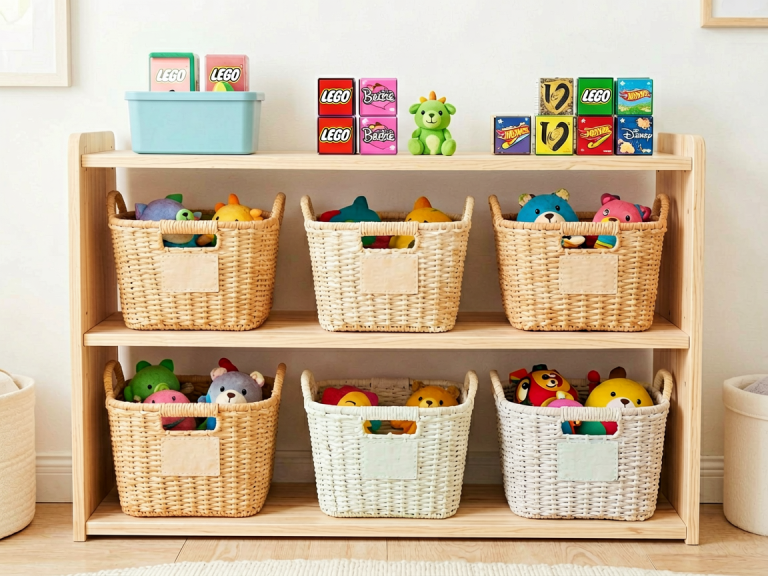
Organize toys into separate small pouches by category: one pouch for drawing supplies, one for puzzles, one for quiet fidget toys. Clear bags allow the child to see what’s inside without dumping everything out. Ziplock bags work well for avoiding messes and can be reused.
Wrap surprises
Wrap a few new toys in tissue paper or put them inside a “surprise envelope.” The act of unwrapping adds excitement and prolongs the entertainment. You can also create a “toy calendar”—hand over a new item every hour or at each major travel milestone (e.g., after every 100 kilometers).
Rotate and ration
Do not pull out all toys at once. Save the most engaging items for later in the trip when boredom peaks. If you give a child a new toy immediately, they may lose interest by hour three. Plan to rotate: when one toy loses its appeal, switch to another.
Attach to bags or strollers
For small toys that frequently fall (especially with babies and toddlers), use clips, lanyards, or carabiner hooks to attach them to diaper bags, strollers, or car seats. This prevents toys from disappearing onto dirty floors or between seats.
Involve the child in selection
If the child is old enough, let them choose a few toys from a pre-selected shortlist. Ownership increases engagement. However, enforce a strict limit on the number of items they can bring—this teaches decision-making and minimizes clutter.
Test before you go
If you are buying a new toy, let the child play with it at home for a few days. If it quickly loses appeal, it won’t survive a long trip. Return it and choose something else. Also, make sure the toy is actually comfortable to use in a confined space—some magnetic sets are great on a table but frustrating on a bumpy car seat.
Prepare for loss
Travel toys get lost. Accept this reality. Do not bring irreplaceable or sentimental items. Bring only toys that you are willing to leave behind in an airport lounge or hotel room. If something valuable disappears, save the tears for later and avoid ruining the trip.
—
Conclusion
Choosing travel toys is an art that blends psychology, logistics, and a dash of creativity. The ultimate goal is not to keep children “busy” in a passive sense, but to enable them to engage actively with the journey—to observe, imagine, create, and connect. The best travel toys are those that fit seamlessly into your bag, hold up under rough conditions, and spark joy without creating chaos. They adapt to the environment, respect other travelers, and meet the child exactly where they are developmentally.
Remember that less is often more. A few carefully chosen, high-quality items will outperform a suitcase full of junk. And never underestimate the power of simple interactions: a shared game, a whispered story, or a moment of looking out the window together can be more memorable than any toy. So next time you pack for a trip, invest time in thoughtful selection. Your future self—and your fellow passengers—will thank you. Safe travels!