How to Choose Educational Toys: A Comprehensive Guide for Parents and Educators
Choosing the right educational toys for children can feel like navigating a labyrinth. With endless options flooding the market—from flashy electronic gadgets to simple wooden blocks—parents and educators often wonder which toys genuinely support learning and development. The key lies not in the price tag or packaging, but in understanding how a toy aligns with a child’s age, interests, and developmental needs. This guide offers a structured approach to selecting educational toys that foster curiosity, critical thinking, and joy.
Understanding the Purpose of Educational Toys
Educational toys are designed to stimulate learning while children play. Unlike passive entertainment, these toys intentionally promote cognitive, physical, social, and emotional growth. However, not every toy labeled “educational” lives up to its claim. A true educational toy encourages active engagement, problem-solving, creativity, and exploration. For example, a set of magnetic tiles allows children to experiment with geometry, balance, and symmetry, while a simple puzzle strengthens memory and spatial reasoning. The goal is to provide tools that make learning a natural, enjoyable part of play, not a forced lesson.
Age-Appropriate Considerations
Selecting a toy that matches a child’s developmental stage is essential. A toy that is too advanced can cause frustration, while one that is too simple may lead to boredom.
Infants (0–12 Months)
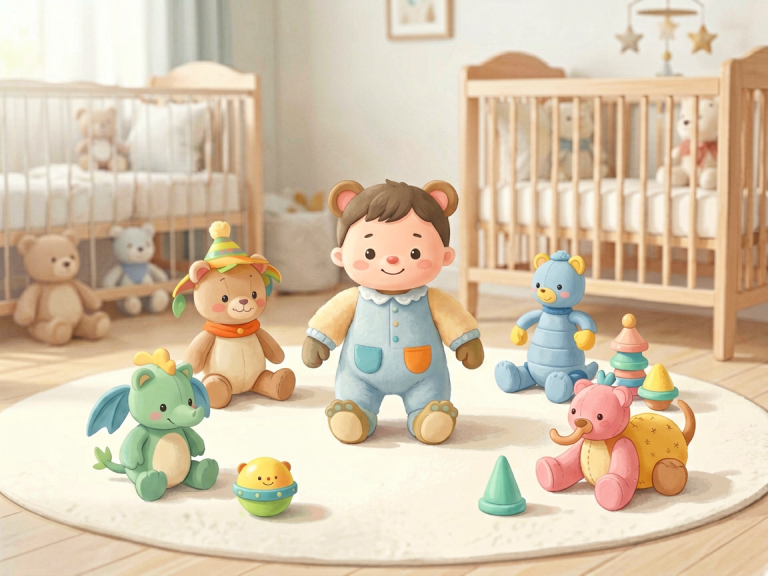
Babies explore the world through their senses. Look for toys that stimulate sight, sound, touch, and eventually cause-and-effect. Examples include soft rattles, textured balls, high-contrast black-and-white cards, and unbreakable mirrors. These toys support sensory integration and early motor skills like grasping and reaching.
Toddlers (1–3 Years)
Toddlers are developing language, gross motor skills, and early problem-solving abilities. Ideal toys include shape sorters, stacking cups, push-and-pull toys, simple jigsaw puzzles with large pieces, and crayons for scribbling. At this stage, toys that encourage imitation, such as play kitchens or toy phones, also support social-emotional learning.
Preschoolers (3–5 Years)
Preschoolers thrive on imaginative play and more complex challenges. Building blocks, construction sets, pretend-play costumes, magnetic letters, and board games that involve counting or matching are excellent choices. This is also a good age to introduce simple science kits, art supplies, and musical instruments to nurture creativity and logical thinking.
School-Age Children (6+ Years)
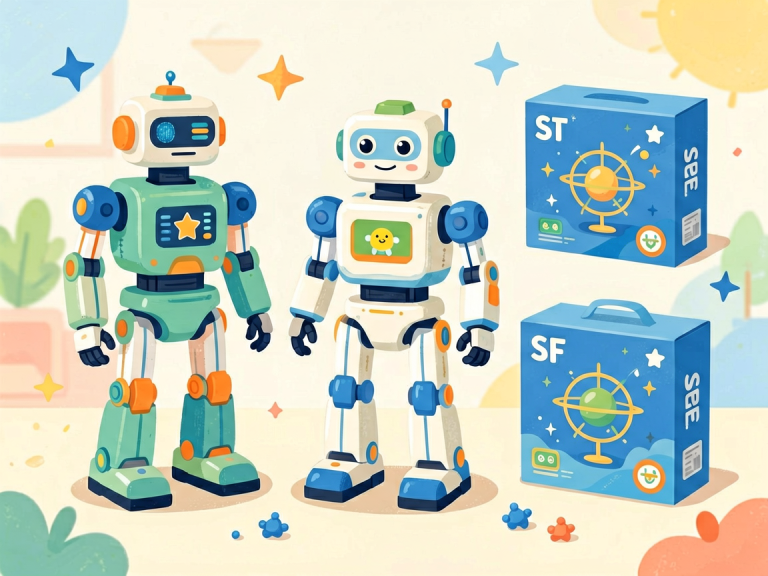
Older children benefit from toys that deepen specific skills. Strategy board games, coding robots, chemistry sets, advanced puzzles, and model-building kits encourage persistence, planning, and abstract reasoning. Books paired with activity kits, such as a microscope with prepared slides, can bridge reading and hands-on learning.
Key Developmental Areas to Target
A well-rounded selection of educational toys addresses multiple domains of development. Here are the main areas to consider, along with specific toy suggestions.
Cognitive Development
Toys that promote logic, memory, and problem-solving are invaluable. Examples include memory cards, tangrams, logic puzzles, and Rubik’s cubes. For older children, chess sets or coding toys like Sphero or LEGO Mindstorms teach strategic thinking and algorithmic reasoning.
Language and Literacy
Building vocabulary and pre-reading skills can be fun with alphabet games, story cubes, and magnetic poetry sets. Interactive books with sound buttons, or simple board games that require reading instructions, also reinforce literacy. For bilingual families, language-learning toys like flashcards or electronic translators can be effective.
Fine Motor Skills
Manipulating small objects strengthens hand muscles and coordination. Playdough, lacing beads, pegboards, and tweezers used in sorting activities are excellent for young children. Older children may enjoy origami kits, sewing cards, or intricate model assembly.
Gross Motor Skills
Active play is crucial for physical health. Balance beams, climbing frames, trampolines, and sports equipment like basketball hoops or jump ropes help develop coordination and strength. Even outdoor toys like scooters and tricycles build gross motor control and confidence.
Sensory and Creative Exploration
Open-ended art supplies (crayons, watercolors, clay), sensory bins filled with rice or sand, and musical instruments encourage self-expression. These toys allow children to experiment without a fixed outcome, fostering divergent thinking and emotional regulation.
Social and Emotional Skills
Board games that require turn-taking, sharing, and cooperation teach patience and empathy. Dollhouses, puppets, and role-play sets help children practice social scenarios and understand emotions. Cooperative games where players work together toward a common goal are especially valuable for building teamwork.
Safety and Quality First
No toy is educational if it poses a risk to a child’s health. Always check for hazards before purchasing.
Material Safety
Look for non-toxic, BPA-free, and lead-free materials. Wooden toys should be free of splinters and finished with water-based paints. Soft toys should have securely attached eyes and no loose stuffing. For electronic toys, ensure that batteries are in a locked compartment.
Age Warnings and Certifications
Follow the manufacturer’s age recommendations. Small parts are dangerous for children under three. Look for safety certifications such as ASTM (American Society for Testing and Materials) or CE (Conformité Européenne) marks. In the United States, toys should comply with CPSC (Consumer Product Safety Commission) standards.
Durability and Longevity
Educational toys often get heavy use. Choose well-constructed items that can withstand rough handling. Solid wood or high-quality plastic outlasts flimsy alternatives. A durable toy can also be passed down or reused by siblings, reducing waste.
Open-Ended vs. Structured Toys
Not all educational toys are created equal in terms of play flexibility.
Open-Ended Toys
Open-ended toys have no single right way to play. Blocks, loose parts (like stones, beads, or PVC pipes), play silks, and art supplies allow children to create, invent, and adapt. These toys grow with the child, offering different challenges at each stage. For example, a set of wooden blocks can be a tower today, a castle tomorrow, and a math tool next week. Open-ended play fosters creativity, problem-solving, and executive function.
Structured Toys
Structured toys come with specific instructions or a predetermined outcome. Puzzles, board games, and learning tablets fit this category. They are excellent for teaching targeted skills like letter recognition or following rules. However, over-reliance on structured toys can limit imaginative play. The best approach is to balance both types, allowing children to experience the benefits of guided learning and free exploration.
The Role of Technology and Screen-Based Toys
In the digital age, many educational toys incorporate screens, apps, or electronic components. While these can be valuable, they must be used mindfully.
When Technology Helps
Coding robots (like Ozobot or Botley), interactive globes, and digital microscopes can introduce complex concepts in an engaging way. Educational apps that require active input—such as drawing, sorting, or solving puzzles—are preferable to passive video watching. The key is interactivity: the child must think and respond, not just observe.
Pitfalls to Avoid
Too much screen time can hinder social interaction and physical activity. Avoid toys that are merely repetitive or that replace human interaction. Look for toys that offer multiple modes, offline options, and clear educational goals. Set time limits and ensure that screen-based play is balanced with hands-on and outdoor activities.
Practical Tips for Selecting Toys
With so many considerations, here are actionable steps to simplify your decision.
Observe Your Child’s Interests
A toy that aligns with a child’s natural curiosity will be used more often. If a child loves animals, choose animal puzzles, figurines, or a nature journal. If they enjoy building, invest in construction sets. Following their lead enhances engagement and intrinsic motivation.
Avoid Overstimulation
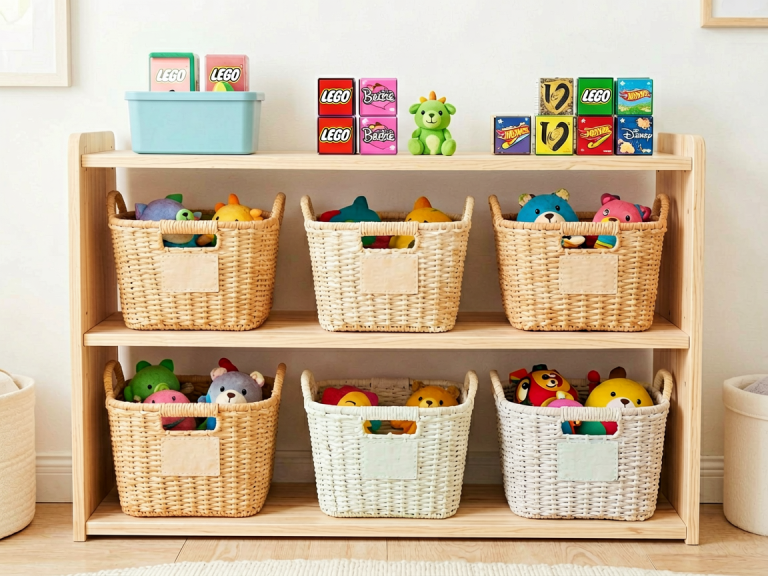
Toys with flashing lights, loud sounds, or too many features can overwhelm young children. Simple, classic toys often provide deeper learning. The saying “less is more” applies: a few high-quality toys rotated regularly can be more beneficial than a cluttered playroom.
Read Reviews and Expert Recommendations
Seek out toy awards from reputable organizations like the National Parenting Product Awards or the Toy Association’s “Smart Play” lists. Parenting blogs, early childhood educators, and pediatric occupational therapists often share tested favorites. Online reviews can also reveal durability issues or hidden safety concerns.
Consider the Cost per Use
A $50 toy that gets played with daily for years is a better investment than a $10 toy that breaks in a week. Evaluate the long-term value. Multi-purpose toys (e.g., a wooden train set that can be configured in endless ways) offer excellent return on investment.
Encourage Unplugged Play
While technology has its place, prioritize hands-on, physical toys. Building, creating, moving, and interacting with real objects supports brain development in ways that screens cannot replicate. Make sure your toy selection includes plenty of opportunities for active, sensory-rich, and social play.
Conclusion
Choosing educational toys is not about finding a magic solution that guarantees your child will become a genius. It is about providing thoughtful tools that respect the child’s natural drive to learn through play. By focusing on age-appropriateness, developmental goals, safety, and the balance between open-ended and structured play, you can create a rich environment that nurtures growth. Remember that the most powerful educational “toy” is still you—your presence, your conversation, and your willingness to play alongside your child. With this guide in hand, you can confidently select toys that spark wonder, build skills, and create joyful memories for years to come.