The Ultimate Guide to Buying Building Toys: 7 Critical Mistakes to Avoid
Building toys have long been a staple of childhood development, offering endless opportunities for creativity, problem-solving, and fine motor skill refinement. From classic wooden blocks to intricate interlocking bricks and magnetic tiles, these toys can inspire young minds and provide hours of productive play. However, the market is flooded with choices, and making the wrong purchase can lead to frustration, wasted money, and even safety hazards. Whether you are a parent, grandparent, or an educator, understanding the common pitfalls is essential to selecting the right building toys that will truly benefit a child. This article explores seven frequent mistakes people make when buying building toys, offering practical advice to help you choose wisely and avoid disappointment.
—
1. Ignoring Age Appropriateness
One of the most widespread errors is purchasing a building toy that is too advanced or too simple for the child’s developmental stage. Many adults are drawn to complex sets with hundreds of tiny pieces, assuming that a child will "grow into it" or that more pieces mean more value. In reality, toys that are far beyond a child’s ability often lead to frustration, disengagement, and even safety risks. For example, a three-year-old may put small bricks in their mouth, while a seven-year-old might lose interest if the instructions require reading and spatial reasoning beyond their skill level.
Conversely, buying a toy that is too basic can bore an older child who craves a challenge. Manufacturers provide age recommendations for a reason: they account for fine motor control, cognitive maturity, and safety standards. Always check the suggested age range on the packaging, and consider the child’s individual capabilities. For toddlers, opt for large, chunky blocks that are easy to grasp and cannot be swallowed. For preschoolers, magnetic tiles or simple interlocking sets with larger pieces work well. For school-age children, more elaborate construction kits with gears, axles, or themed models can sustain interest. The golden rule is to match the toy’s complexity to the child’s current stage, not to where you hope they will be in a year.
—
2. Overlooking the Child's Interests
A common mistake is choosing a building toy based on what the adult finds appealing or educational, rather than what genuinely excites the child. A parent might buy a detailed architectural set because they value engineering skills, while the child is passionate about dinosaurs or outer space. The result? The toy sits untouched in a corner, collecting dust. Building toys are most effective when they tap into a child’s natural curiosity and imagination.
Before making a purchase, observe the child’s play habits. Do they love vehicles, animals, fantasy worlds, or real-life scenarios? Many building toy brands offer themed sets that align with popular interests, from castles and fire stations to robots and fairy-tale scenes. Alternatively, consider open-ended building sets that can be combined with other toys the child already owns. For instance, a set of neutral-colored wooden blocks can become a stable for toy horses or a garage for matchbox cars. When the toy resonates with a child’s passions, they are far more likely to engage deeply and creatively. Remember: the best building toy is one that the child *wants* to play with, not one that you think they *should* play with.
—
3. Prioritizing Brand Over Quality
The allure of a well-known brand can be powerful. Many parents believe that only one specific manufacturer—usually the one with the iconic interlocking bricks—produces building toys worth buying. While established brands often have consistent quality control, they also come with premium price tags. The mistake is assuming that all other brands are inferior, leading to a narrowed selection and missed opportunities for excellent alternatives. In reality, many lesser-known companies offer building toys with comparable durability, creative potential, and safety certifications, often at a fraction of the cost.
On the other hand, some shoppers go to the opposite extreme, buying the cheapest generic sets available without examining their quality. These may have poorly fitting pieces, sharp edges, or toxic materials. The key is to evaluate each product on its own merits: check for smooth edges, tight but not overly difficult connections, and non-toxic certifications (such as ASTM or EN71). Read user reviews and look for photos of the actual product. A medium-priced set from a reputable but less famous brand can be just as good as a high-end one. Do not let brand loyalty blind you to value, but also do not sacrifice safety for a bargain. Strike a balance by researching materials and construction quality, not just logos.
—
4. Neglecting Safety and Material Standards
Safety should never be an afterthought when buying toys for children, yet many adults overlook this crucial aspect, especially when shopping online or from unfamiliar sellers. Building toys often consist of many small parts, and improper material composition can introduce risks such as choking, chemical exposure, or physical injury. Some cheap plastic bricks may contain phthalates or lead, while wooden blocks might be finished with toxic paints or splinter easily.
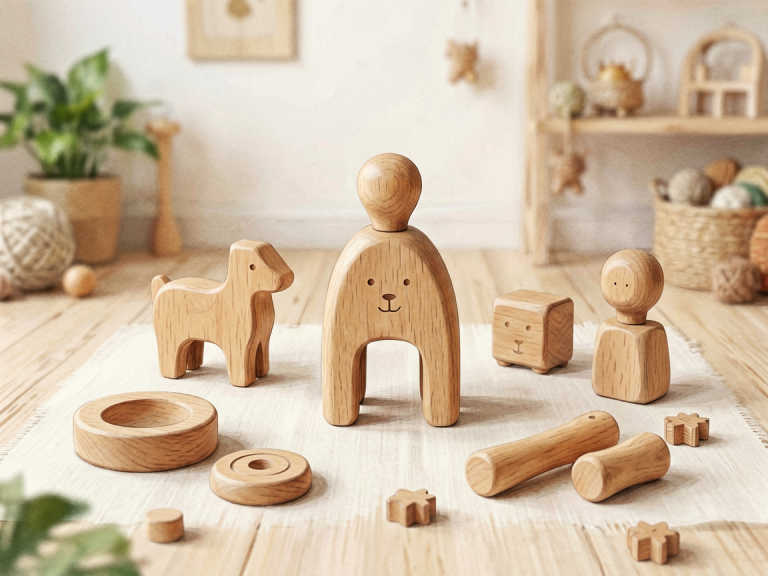
Always look for safety certifications like CE (in Europe), ASTM (in the US), or the CPC mark. Avoid toys with strong chemical smells, as they often indicate lower-grade plastics. For young children under three, ensure that all parts are larger than 1.25 inches (about 3 cm) in diameter to prevent choking. Check that magnets, if present, are securely encased and cannot be swallowed—ingested magnets can cause severe internal injuries. Furthermore, consider the toy’s intended use: if it will be exposed to drool or frequent washing, choose materials that are easy to clean and non-porous. Wooden blocks, for example, should be sealed with child-safe, non-toxic finishes. By prioritizing safety, you not only protect the child but also gain peace of mind.
—
5. Buying Too Many or Too Few Pieces
Striking the right balance in the number of pieces is trickier than it seems. Some buyers go overboard, purchasing massive sets with thousands of components, thinking that more pieces equal more play value. However, a huge collection can overwhelm a child, making it difficult to find specific parts and leading to a messy, disorganized play area. Moreover, too many pieces can inhibit focused creativity—children may spend more time digging through a pile than actually building. On the flip side, buying a set with too few pieces can limit building possibilities, leaving the child bored after a few simple constructions.
A good rule of thumb is to consider the child’s attention span and storage capacity. For beginners (ages 3–5), a set of 30–80 pieces is usually sufficient. For intermediate builders (ages 5–8), 100–300 pieces offer enough variety without being daunting. For advanced enthusiasts (ages 8+), larger sets with 500–1000 pieces can be suitable, but even then, consider adding expansion packs rather than one giant box. The best approach is to start with a moderate set and then add complementary pieces based on the child’s evolving interests. This way, the toy grows with them and avoids the pitfalls of excess or scarcity.
—
6. Failing to Consider Storage and Organization
Building toys are notorious for their ability to scatter across floors, under sofas, and into the vacuum cleaner. A mistake many parents make is buying the toy without also planning for how it will be stored. Without a proper system, valuable pieces get lost, sets become incomplete, and children become frustrated when they cannot find a specific brick or wheel. This can sour the entire play experience and lead to the toy being abandoned.
Before purchasing, think about storage solutions. Some building toy sets come with their own containers or resealable bags, but many do not. Look for sets that include a storage box or consider buying separate bins with dividers. Clear plastic containers allow children to see what is inside, and color-coded compartments can help sort different types of pieces. Additionally, teach children to put away their toys after each session. A good habit is to adopt the "one-in-one-out" rule: if a new building set arrives, ensure that an older or incomplete set is either consolidated or donated. Not only does this keep the home tidy, but it also teaches responsibility and reduces the likelihood of lost parts.
—
7. Focusing Solely on Pre-Designed Models
Many building sets come with detailed instruction booklets that guide children through constructing specific models, such as a spaceship, a castle, or a car. While following instructions builds patience and reading comprehension, a common mistake is to rely entirely on these pre-designed builds, neglecting the open-ended creative potential of the toy. Some children become dependent on instructions and feel lost when asked to build something original. Others may grow bored after completing the official models and never revisit the toy.
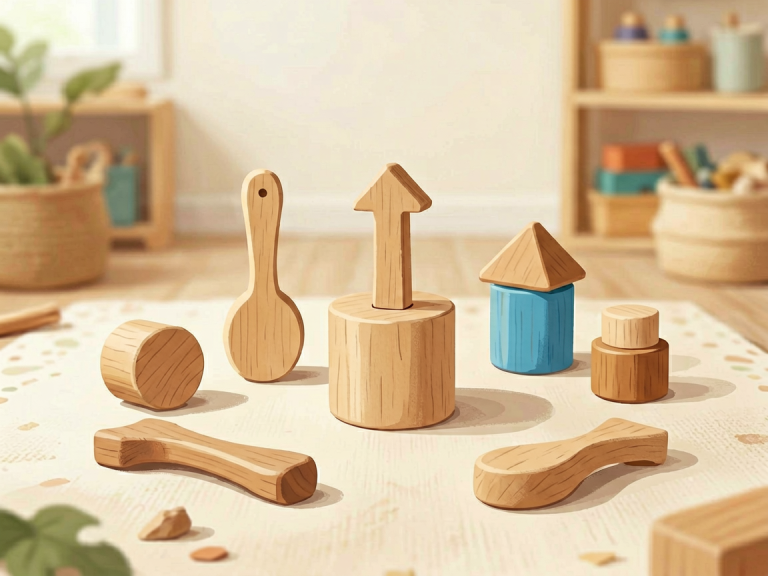
The best building toys encourage both structured and free-form play. When selecting a set, look for ones that emphasize versatility—pieces that can be combined in multiple ways, not just for one final design. For example, sets with basic geometric blocks, rods, and connectors allow endless variations. Even with theme-specific sets, encourage children to deviate from the instructions once they have built the main model. Ask questions like, "Can you add a tower to this castle?" or "What happens if we flip this piece around?" If you are buying for a group, consider "loose parts" such as wooden planks, blocks, and wheels that have no predetermined function. By prioritizing open-endedness, you extend the lifespan of the toy and nurture true creative thinking.
—
Conclusion
Buying building toys is an investment in a child’s development, but it comes with potential pitfalls that can undermine the experience. By avoiding these seven common mistakes—ignoring age appropriateness, overlooking interests, prioritizing brand over quality, neglecting safety, buying the wrong number of pieces, forgetting storage, and focusing only on pre-designed models—you can make informed choices that bring joy, learning, and long-lasting value. Remember to observe the child, research the product, and think beyond the immediate purchase. A well-chosen building toy does more than occupy time; it builds skills, confidence, and a lifelong love for creation. Take your time, ask questions, and above all, let the child’s imagination be your guide.