Budget Alternatives to Battery-Powered Toys: Rediscovering the Joy of Simple Play
In an era dominated by flashing lights, electronic sound effects, and ever‑rising battery costs, many parents find themselves trapped in a cycle of purchasing expensive, short‑lived toys that often end up broken or discarded within weeks. The allure of battery‑powered playthings is undeniable—they promise entertainment, interactivity, and engagement. Yet the hidden costs, both financial and environmental, are substantial. Disposable batteries contribute to mounting electronic waste, while the constant need for replacements strains household budgets. Fortunately, a world of budget‑friendly alternatives exists, offering children equally enriching experiences without the drain on wallets or the planet. These alternatives encourage creativity, problem‑solving, physical activity, and social interaction—skills that no amount of batteries can provide. This article explores a range of cost‑effective, non‑electronic toy options that can replace or supplement battery‑powered devices, proving that the best playthings often require nothing more than imagination.
The Timeless Appeal of Traditional Wooden Toys
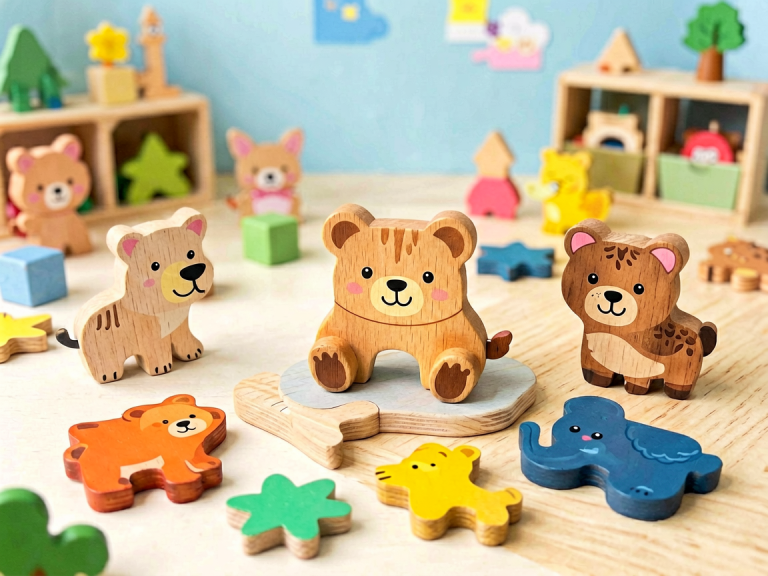
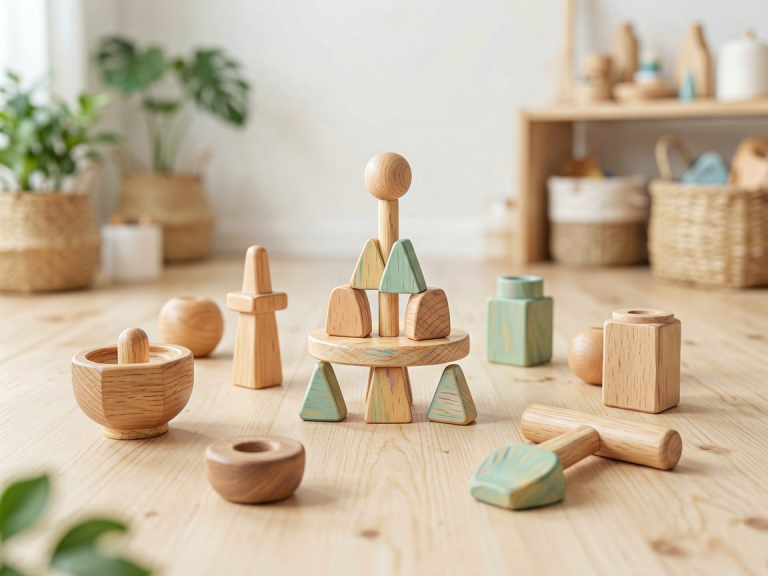
Wooden toys have been cherished for centuries, and for good reason. Unlike their plastic, battery‑operated counterparts, wooden toys are durable, non‑toxic, and often beautifully crafted. They require no batteries, no charging, and no replacement parts that depend on microchips. A simple set of wooden building blocks, for instance, can inspire countless hours of open‑ended play. Children can stack, sort, balance, and create structures that mimic real buildings or imaginary castles. The tactile sensation of smooth wood, the satisfying clack as blocks are placed together, and the limitless possibilities for design all contribute to cognitive development and fine motor skills. Similarly, wooden puzzles, pull‑along trains, and shape sorters have been staples of early childhood education for generations. These items are often available at thrift stores, garage sales, or online marketplaces for a fraction of the cost of a single battery‑powered robot. Moreover, because they lack electronic components, they rarely break irreparably—a cracked wooden piece can be sanded or glued, whereas a broken circuit board is destined for landfill. Investing in a few high‑quality wooden toys can provide years of play, making them far more economical over time.
DIY and Homemade Toys: Unleashing Creativity at Minimal Cost
One of the most empowering budget alternatives is the creation of homemade toys using everyday household materials. Not only does this approach save money, but it also fosters a child’s creativity, resourcefulness, and sense of accomplishment. For example, a cardboard box can be transformed into a rocket ship, a castle, a car, or a puppet theater with a bit of paint, scissors, and tape. Parents and children can collaborate on projects such as making sock puppets, paper‑plate masks, or felt finger puppets. These activities require little more than discarded items and a few craft supplies, which are far cheaper than a single electronic toy. Another popular DIY idea is the creation of sensory bottles or calm‑down jars: fill a clear plastic bottle with water, glitter, food coloring, and small beads, then seal it tightly. Children can shake the bottle and watch the glitter settle, providing a soothing visual experience without any electronics. For older children, constructing a simple marble run from toilet paper rolls and tape teaches principles of physics and gravity—entertaining and educational at zero cost. The key benefit is that the child is actively involved in making the toy, which deepens the play value and encourages imaginative thinking long after the initial creation.
Outdoor and Nature‑Based Playthings
Another excellent way to sidestep battery dependency is to take play outside. Nature provides an endless supply of free toys that stimulate exploration and physical activity. A simple stick can become a magic wand, a fishing rod, a sword, or a hiking staff. Pinecones, acorns, and leaves can be collected and used for counting games, art projects, or building tiny fairy houses. Rocks of different sizes and colors invite sorting, stacking, and even simple geological lessons. A sandbox or a patch of dirt is arguably one of the best “toys” a child can have: with just a small shovel, a bucket, and some water, children can dig, mold, build, and experiment with textures. Additionally, outdoor equipment like jump ropes, hula hoops, sidewalk chalk, and kites are inexpensive, require no batteries, and promote vigorous physical activity—a stark contrast to the sedentary screen time that often accompanies electronic toys. Even a simple ball—be it a soccer ball, a tennis ball, or a soft play ball—offers endless games of catch, kick, and roll. These items are readily available at discount stores or can be found secondhand, and they encourage social interaction when children play together. The fresh air and sunlight provide additional health benefits, making outdoor play a holistic alternative to indoor battery‑operated gadgets.
Educational and STEM Toys Without Batteries
Many parents worry that without battery‑powered educational toys, their children might miss out on learning opportunities. Yet some of the most effective STEM (Science, Technology, Engineering, and Mathematics) toys operate entirely on manual input and physical principles. For example, a classic set of magnetic building tiles—such as Magna‑Tiles or similar generic brands—uses magnets to snap pieces together, allowing children to construct geometric shapes, bridges, towers, and even simple machines. No batteries required. Similarly, gears and pulleys sets, often made of plastic, can be assembled to demonstrate how rotational force and mechanical advantage work. A child can turn a crank and watch a series of gears spin, learning about cause and effect, ratios, and engineering design—all without a single AAA battery. Other low‑cost options include simple microscope kits that rely on natural light, or a magnifying glass for examining insects and leaves. Chemistry sets that use safe, non‑toxic powders and vinegar to create reactions (like baking soda volcanoes) teach scientific principles through hands‑on experimentation. Board games that involve strategy, counting, and reading—such as chess, checkers, Monopoly Junior, or card games like Uno—develop critical thinking and social skills. These alternatives are not only cheaper but also often more durable and longer‑lasting than electronic learning toys that quickly become obsolete or break.
Board Games, Puzzles, and Card Games for All Ages
Perhaps the most underrated category of battery‑free entertainment is the classic board game or jigsaw puzzle. A single board game can be played repeatedly for years, and many are sold at thrift stores for a few dollars. Games like Scrabble Jr., Candy Land, Snakes and Ladders, or Connect Four promote turn‑taking, counting, pattern recognition, and patience. For older children and teenagers, strategy games like Settlers of Catan, Ticket to Ride, or Carcassonne offer deep engagement without the need for batteries or screens. Puzzles teach spatial reasoning, concentration, and perseverance. A 100‑piece puzzle might occupy a child for an entire afternoon, and the sense of accomplishment when the final piece clicks into place is immensely satisfying. Card games, from Go Fish to Spades, are portable, require zero setup, and can be played anywhere—car rides, picnics, or rainy days indoors. The social interaction inherent in these games is far richer than the solitary play often associated with battery‑powered tablets or gaming consoles. Moreover, they strengthen family bonds and communication, turning playtime into a shared experience rather than isolated screen time.
Repurposing Household Items for Imaginative Play
Finally, one of the most creative and economical strategies is to repurpose common household items into toys. Empty toilet paper rolls can become binoculars, telescopes, or car tunnels. Old socks turned into puppets with a few buttons for eyes. Plastic containers of various sizes can be used for stacking, storing treasures, or building miniature homes for action figures. A discarded bedsheet can be draped over a table to create a fort. Pots, pans, and wooden spoons from the kitchen become a drum set for a budding musician. Even old magazines and catalogs can be cut up for collage art or used to create paper dolls. The ingenuity of a child, once prompted, is boundless. These activities not only save money but also teach the valuable lesson that entertainment does not require consumption; it can be created from what we already have. Parents who embrace this philosophy often report that their children become more resourceful, more patient, and more delighted by simple pleasures. In an age of instant gratification, learning to find joy in a handmade toy or a repurposed object is a skill that will serve children well into adulthood.
Conclusion: A Sustainable and Enriching Future
The shift away from battery‑powered toys need not feel like a deprivation; rather, it is an invitation to rediscover the richness of simple, imaginative play. Budget alternatives—whether wooden blocks, DIY crafts, outdoor treasures, board games, or repurposed household items—offer profound benefits that extend far beyond cost savings. They reduce environmental waste, encourage physical activity, foster creativity and problem‑solving, and strengthen social bonds. Parents who choose these options are not only protecting their wallets but also providing their children with tools for intellectual and emotional growth. The next time a child asks for the latest flashing, beeping toy, consider offering a pile of cardboard tubes, a set of colorful markers, and a challenge to build something extraordinary. The result may surprise you: hours of deep, joyful play, and a lasting lesson that the best toys are the ones powered by imagination, not batteries.