Beyond the Screen: Quiet Alternatives to Educational Tablets for Focused Learning
Introduction
In the past decade, educational tablets have become ubiquitous in classrooms and homes. From interactive math games to digital storybooks, these devices promise engagement and personalized learning. Yet an increasing number of educators, pediatricians, and parents are voicing concerns about the hidden costs of screen-based education: constant notifications, blue light exposure, reduced attention spans, and the subtle but persistent noise—both auditory and cognitive—that accompanies every swipe and tap. For children who are easily overstimulated or who simply need a calmer learning environment, the search for *quiet alternatives* to educational tablets is more than a preference; it is a necessity.
Quiet alternatives do not mean boring or less effective. On the contrary, they often foster deeper concentration, sensory integration, and creative problem-solving precisely because they remove the distractions of glowing screens, autoplay videos, and gamified rewards. This article explores a range of screen-free, low-noise tools and methods that can replace or supplement educational tablets, helping children learn with focus, calm, and genuine curiosity.
—
The Power of Unplugged Learning: Paper, Books, and Real-World Exploration
Why Quiet Matters for Cognitive Development
When a child uses a tablet, the device itself becomes an active source of stimulation: sounds, animations, pop-up messages, and the ever-present temptation to switch apps. Researchers have found that such multitasking environments can fragment attention and reduce the depth of information processing. In contrast, quiet alternatives—like reading a printed book or writing by hand—encourage what psychologist Mihaly Csikszentmihalyi calls “flow,” a state of deep immersion where time seems to disappear. The absence of external noise allows the brain to build stronger neural pathways for comprehension and memory.
Printed Books and Magazines
The simplest quiet alternative is a well-chosen printed book. Unlike a tablet, a book has no battery, no loading time, and no notifications. It invites the child to focus solely on text and illustrations without the urge to tap or scroll. For early readers, hardcover picture books with tactile pages provide a sensory experience that screens cannot replicate. Parents and teachers can create “quiet reading corners” with cushions and soft lighting, turning reading into a meditative ritual rather than a screen-based task.
Handwriting and Journaling
Educational tablets often tout typing or finger-swiping as faster input methods, but research shows that handwriting—especially cursive—activates motor memory and improves letter recognition and spelling. A simple notebook and a good pen become a quiet alternative for journaling, math practice, or vocabulary drills. Children can illustrate their own stories, solve problems with diagrams, or keep a nature journal during outdoor walks. The slow, deliberate pace of handwriting naturally reduces the “noise” of rapid digital feedback, allowing ideas to marinate.
Real-World Observation and Exploration
Instead of watching a video about the life cycle of a butterfly, children can sit silently in a garden and observe actual insects. A quiet alternative might be a magnifying glass, a sketchpad, and a field guide. This hands-off, screen-free method encourages patience and sharpens observational skills. Similarly, a walk in the park with a checklist of leaves, birds, or cloud types replaces a tablet-based science app with a multisensory, low-decibel experience. The only sounds are the crunch of leaves and the chirping of birds—a natural “audiobook” for the curious mind.
—
Hands-On, Screen-Free Activities: Manipulatives That Build Focus
The Role of Tactile Learning
Many educational tablets rely on visual and auditory channels, but touch is a powerful—and often overlooked—learning modality. Quiet, hands-on materials provide tactile feedback that can calm an overactive nervous system while engaging the brain’s spatial and logical centers. Unlike a tablet screen, which is smooth and unresponsive except for taps, physical objects have weight, texture, and resistance.
Montessori-Style Manipulatives
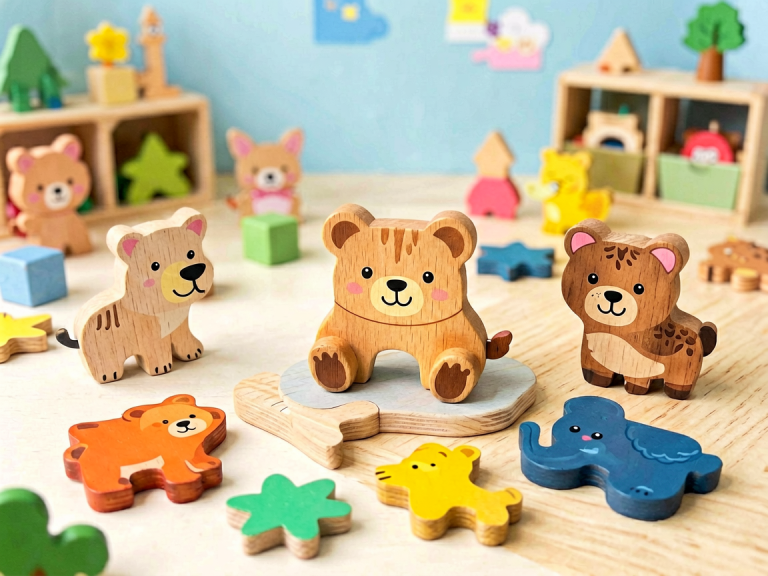
Materials like wooden counting beads, sandpaper letters, and geometric puzzles are classic quiet alternatives. A child learning the alphabet can trace sandpaper letters with her finger, feeling the shape of each character without any electronic beep. For mathematics, a set of color-coded base-ten blocks allows children to physically carry out addition or subtraction, building concrete understanding before abstract symbols. These activities typically produce only the soft sounds of wood clicking or paper sliding—perfect for a quiet room.
Building and Construction Toys
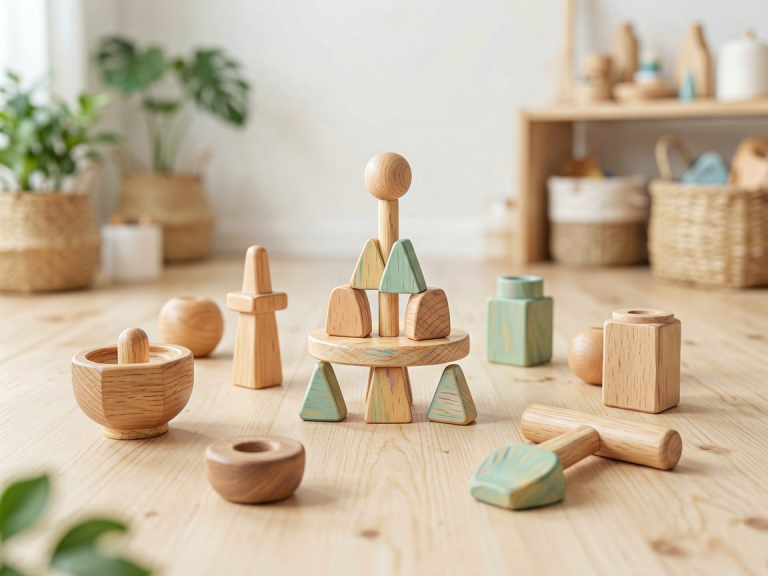
LEGO bricks, wooden blocks, and magnetic tiles encourage engineering and creativity without a single sound (except the occasional clatter of a fallen tower). Children can follow design challenges or free-build, developing problem-solving skills at their own pace. Unlike a tablet game that rewards speed with stars and levels, building requires patience and resilience. The quiet here is not emptiness but the focused silence of a child deep in concentration, adjusting a wobbly structure until it stands.
Puzzles and Board Games
Jigsaw puzzles, tangrams, and non-digital strategy games (such as *Blokus* or *Katamino*) are excellent quiet alternatives for developing logic, pattern recognition, and spatial reasoning. They demand cooperative or individual effort without flashing lights or sound effects. Even simple card games like *Memory* or *Uno* improve memory and number skills in a low-key setting. The soft shuffle of cards or the gentle tap of a puzzle piece creates a calm auditory backdrop that facilitates sustained attention.
—
Auditory and Tactile Alternatives: Listening and Creating Without Screens
Audiobooks and Story Podcasts (Used Quietly)
Audiobooks might seem similar to tablet-based media, but when played on a simple MP3 player or a library CD player with headphones, they become a quiet alternative. Unlike a tablet, which tempts the child to switch to a video or game, a dedicated audio device offers no visual distraction. Children can listen to classic literature, science programs, or foreign-language lessons while drawing, building with blocks, or simply lying on the floor with eyes closed. The key is to choose low-volume, noise-free playback that doesn’t disturb others—true quiet listening.
Music and Sound-Based Learning
For auditory learners, musical instruments like a xylophone, a recorder, or a small hand drum provide an alternative to music apps. Learning to produce a clear note requires careful listening and motor control, a process that is naturally quiet (unless the child is enthusiastically practicing!). For language learning, using a set of phonics cards and a simple voice recorder (without a screen) allows children to hear their own pronunciation and correct it, all without the glowing interface of a tablet.
Creative Arts: Drawing, Modeling, and Weaving
Art supplies—colored pencils, watercolor paints, clay, yarn, and fabric—are among the most versatile quiet alternatives. A child can illustrate a story, sculpt a creature from a history lesson, or weave a pattern that connects to a math concept like symmetry. These activities produce minimal noise and maximal focus. The gentle scratch of a pencil or the squish of clay becomes a meditative soundscape, far removed from the jarring chimes and buzzes of educational apps.
—
Creating a Quiet Learning Environment: The Role of Space and Routine
Designing a Distraction-Free Zone
Even the best quiet alternatives can lose their effectiveness in a chaotic room. To truly replace an educational tablet, parents and teachers should create a dedicated learning space that minimizes visual and auditory clutter. A small table with a soft desk lamp, a shelf with carefully selected materials, and a comfortable chair can signal to the child that this is a place for calm focus. Noise-canceling headphones (without any Bluetooth or digital features) can help children who are particularly sensitive to ambient sound.
Establishing Screen-Free Learning Blocks
Routine matters. Setting aside a daily “quiet hour” when all screens are turned off—including the parent’s phone—encourages children to engage with these alternatives without resentment. During this time, the child chooses from a menu of options: reading, building, drawing, or listening to an audiobook. The absence of competition from tablet games makes these activities naturally more appealing. Over time, children often come to prefer the slower, deeper satisfaction of hands-on learning.
Modeling Quiet Focus
Finally, adults play a crucial role. When children see parents reading a paper book or solving a crossword puzzle in silence, they internalize the value of undistracted attention. Modeling quiet learning is perhaps the most powerful quiet alternative of all—it costs nothing, requires no technology, and creates a culture where concentration is respected rather than interrupted.
—
Conclusion
Educational tablets are not inherently harmful; they offer convenience, variety, and instant feedback. But the constant stimulation they provide can undermine the very focus that deep learning requires. Quiet alternatives—printed books, building blocks, art supplies, audiobooks, and thoughtfully designed learning spaces—offer a counterbalance. They invite children to slow down, listen to their own thoughts, and engage with material on a tangible, sensory level. By integrating these screen-free, low-noise options into daily routines, we can help children develop the patience and persistence that no tablet can teach. In a noisy world, the quietest learning may be the most powerful of all.