Beyond the Block: The Best Alternatives to Building Blocks for 1-Year-Olds
Introduction
The first year of a child’s life is a whirlwind of discovery, and by the time they turn one, their world is expanding rapidly. Parents often turn to classic toys like building blocks to encourage motor skills, spatial awareness, and creativity. However, traditional wooden or plastic blocks can pose certain risks for a one-year-old—small pieces that are choking hazards, hard edges that can hurt, or simple frustration when a tower collapses. Fortunately, there is a rich universe of alternatives that are equally—if not more—beneficial for a child’s development at this tender age. This article explores the best alternatives to building blocks for 1-year-olds, focusing on safety, sensory stimulation, and age-appropriate challenges. Each option is designed to foster the same foundational skills—hand-eye coordination, problem-solving, and cause-and-effect understanding—while aligning with a toddler’s unique needs and abilities.
Why Consider Alternatives to Building Blocks?
Before diving into specific alternatives, it is important to understand why a parent might look beyond the classic block set. At 12 months, most children are still in the oral stage; they explore toys by mouthing, chewing, and even biting. Small blocks—especially those with loose parts—can be dangerous if ingested. Additionally, standard blocks often require fine pincer grasp and precise stacking skills that many one-year-olds have not yet mastered. The result can be more frustration than fun. Furthermore, a one-year-old’s attention span is fleeting; they benefit from toys that offer multiple sensory inputs—texture, sound, color, and movement—rather than just a static shape. The alternatives listed below address these issues while still promoting the cognitive and physical milestones that blocks are intended to support.
Criteria for Choosing Toys for 1-Year-Olds
To ensure the alternatives are truly “best,” we must apply a set of criteria. First and foremost, safety: no sharp edges, no small parts that can fit through a toilet paper roll (the standard choking test), and non-toxic materials. Second, durability: one-year-olds test everything by throwing, dropping, and banging. Third, developmental appropriateness: the toy should be challenging enough to hold interest but not so difficult that it causes meltdowns. Finally, open-endedness: the best toys allow for multiple uses, encouraging creativity rather than a single “right” way to play. With these guidelines in mind, let us explore the top alternatives.
—
1. Soft Stacking Rings and Nesting Cups
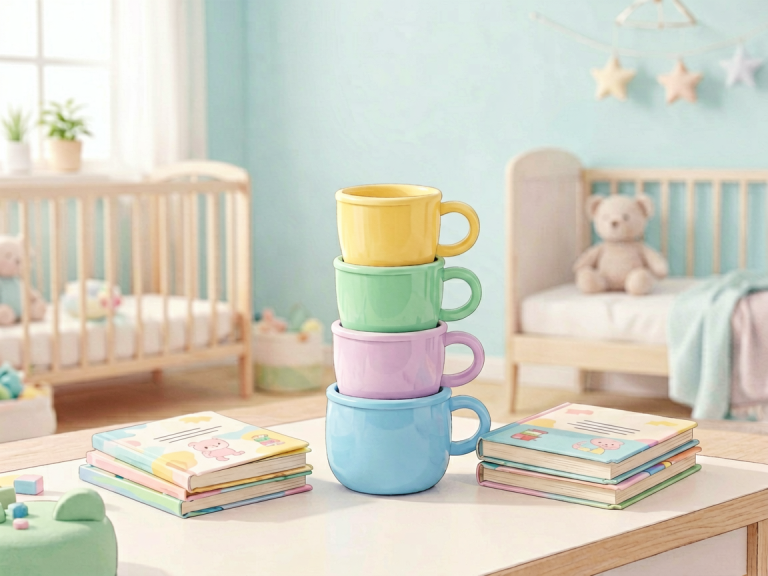
One of the most beloved alternatives to blocks is the classic stacking ring set, often made of soft plastic or fabric. Instead of rigid cubes, these rings come in graduated sizes with a central post. A one-year-old can practice placing rings over the post in any order, developing hand-eye coordination and an early understanding of size relationships. The soft material is gentle on tiny fingers and safe for mouthing. Similarly, nesting cups—a set of brightly colored cups that fit inside one another—offer endless possibilities. Children can stack them into a tower, nest them together, or even use them as scoops in a water or sand play activity. The key advantage over blocks is that the pieces are large, lightweight, and impossible to swallow. Moreover, the slight friction required to nest or stack gives just the right amount of resistance for developing muscles in the hands and arms.
Sensory Benefits: Many stacking rings include textured surfaces, rattles inside, or crinkly fabrics that add auditory and tactile stimulation. For a one-year-old, this multi-sensory input is far more engaging than plain wooden blocks.
—
2. Large Foam Blocks or Soft Bricks
If a parent still wants the “block” experience but without the hazards, large foam blocks are an excellent substitute. These are typically made of soft, lightweight EVA foam that is non-toxic and easy to clean. They come in various shapes—cubes, triangles, arches—and are large enough (often 4–6 inches) that they pose no choking risk. A one-year-old can safely knock over a foam tower without hurting themselves, and they can even sit on the blocks or use them as stepping stones while learning to walk. The soft texture also allows for easy gripping, even for toddlers with less developed fine motor skills.
Developmental Value: Foam blocks encourage gross motor skills as children lift, carry, and push them. They also introduce basic concepts of balance and stability, but with a forgiving margin of error. Many sets include numbers or letters printed on the sides, adding a subtle pre-literacy component. Compared to rigid blocks, foam blocks reduce the risk of injury and frustration, making them a top choice for the one-year-old set.
—
3. Sensory Balls and Textured Toys
While not blocks in the traditional sense, sensory balls serve a similar purpose in building motor skills and spatial awareness. Look for balls with different textures—bumpy, ribbed, or soft spikes—that fit comfortably in a toddler’s hands. A one-year-old can roll, toss, catch, and squeeze these balls, developing hand strength and coordination. Unlike blocks, balls introduce the concept of movement; a ball that rolls away encourages a child to crawl or walk after it, promoting physical activity. Some sensory balls are even designed with internal rattles or bells that make sound when moved, adding an auditory element.
Why Choose This Over Blocks? Sensory balls offer dynamic play that is inherently unpredictable, teaching cause and effect (“If I push the ball, it moves”). While blocks are static, balls invite exploration of gravity and momentum. For a one-year-old who is just learning to navigate their environment, this can be more intellectually stimulating. Additionally, many sensory balls are dishwasher-safe, making them easy to keep clean during the mouthing stage.
—
4. Shape Sorters with Large Pieces
Shape sorters are a classic alternative that combines sorting, matching, and stacking in one toy. The best shape sorters for a one-year-old have oversized pieces—each at least two inches in diameter—so they cannot be swallowed. The child fits a shape into the corresponding hole, which requires spatial reasoning and problem-solving. This is very similar to the skills needed for block stacking (understanding how objects fit together) but with the added challenge of shape recognition. Many modern shape sorters also feature a lid that can be removed, allowing the pieces to be used as free-standing blocks for simple stacking.
Key Differences from Blocks: The shapes are typically chunky and easy to grasp, and the sorter itself provides a clear goal (putting the shape in the right hole). This structured activity can be more satisfying for a one-year-old who may not yet have the patience to build a tower. Some shape sorters even have electronic components that light up or play music when a shape is correctly inserted, providing positive reinforcement.
—
5. Pull-Along Toys and Push Carts
While not a direct replacement for blocks in terms of stacking, pull-along toys and push carts are excellent for developing the same foundational skills—balance, coordination, and an understanding of cause and effect. A pull-along toy on a string (such as a wooden duck or a snail that wobbles) encourages a one-year-old to walk while pulling, which strengthens leg muscles and improves gait. Similarly, a push cart with a handle can be loaded with other toys (like foam blocks or stuffed animals) and pushed around the room. This combines transportation play with early engineering concepts: children learn that they can move objects from one place to another.
Why This Works: At 12 months, many children are on the verge of walking or have just started. These toys support that milestone while also engaging the same problem-solving areas of the brain that block play would. The act of loading and unloading the cart mirrors the spatial organization that blocks require, but in a more physical, whole-body context.
—
6. Activity Boards and Busy Boxes
Activity boards (also called busy boards) are flat surfaces covered with various interactive elements—latches, zippers, switches, knobs, wheels, and doors. For a one-year-old, these provide countless opportunities for fine motor practice. Turning a knob, flipping a latch, or sliding a bolt all require precise hand movements similar to those used in stacking blocks. The difference is that busy boards offer immediate feedback (a door opens, a sound is made) and are inherently safe because all parts are attached.
Developmental Edge: Busy boards introduce real-world mechanisms (locking, opening, sliding) that expand a child’s understanding of how things work. They are also highly engaging because of the variety of textures and actions. Many busy boards are designed to be mounted on a wall or placed on the floor, making them a stationary alternative that a toddler can explore independently. Compared to blocks, they often hold a one-year-old’s attention longer because there is no frustrating collapse.
—
7. Musical Instruments for Toddlers
Simple musical instruments like maracas, drums, xylophones, and tambourines might not seem like alternatives to blocks, but they target similar developmental domains. Banging a drum requires hand-eye coordination and arm strength; shaking a maraca develops wrist motion and grip control. More importantly, musical instruments introduce the concept of cause and effect: “When I hit the drum, it makes a sound.” This is a parallel to the cause-and-effect learning that occurs when a child knocks down a block tower.
Why Choose Music? For a one-year-old, making noise is inherently rewarding. Instruments also encourage rhythm and turn-taking if played with a caregiver. Some percussion instruments, like small hand drums or egg shakers, are designed with safety in mind—no small parts, rounded edges, and non-toxic finishes. They can be used in solo play or group settings, promoting social skills. While blocks teach spatial relationships, instruments teach auditory patterns, which are equally important for cognitive development.
—
8. Simple Puzzles with Knobs
Puzzles designed for one-year-olds typically feature large pieces with knobs or pegs for easy grasping. Each piece fits into a corresponding cutout on a wooden or sturdy board. These puzzles often depict animals, vehicles, or familiar objects. The act of picking up a piece, orienting it correctly, and placing it in the hole requires the same spatial reasoning as stacking blocks, but with a clear end goal.
Advantages Over Blocks: The knobs provide a natural handle for little fingers that may not yet have the dexterity to pick up a flat block. The puzzle board also keeps pieces contained, reducing the risk of lost parts. Some puzzles are even self-correcting, meaning only the right piece fits the right spot, which teaches logic without frustration. For a one-year-old, completing a puzzle gives a wonderful sense of accomplishment.
—
Tips for Safe Play
No matter which alternative you choose, supervision is essential. Even large toys can become hazardous if a child manages to break off a piece. Always inspect toys for wear and tear; check for loose threads, cracks, or sharp edges. Rotate toys regularly to keep your toddler’s interest fresh. And remember: the best play is interactive play. Sit with your one-year-old, model how to stack, nest, or sort, and celebrate their successes. The goal is not just to replace blocks, but to provide a rich, varied environment that stimulates all areas of development.
Conclusion
Building blocks are a classic toy for good reason, but for a one-year-old, they are not the only—or even the best—option. Soft stacking rings, foam blocks, sensory balls, shape sorters, pull-along toys, activity boards, musical instruments, and simple puzzles each offer unique benefits that meet a toddler’s developing needs. These alternatives prioritize safety, encourage gross and fine motor skills, and provide the open-ended play that is so crucial at this age. By choosing wisely among these options, parents can give their one-year-old a playful, educational, and risk-free start to a lifetime of learning. Remember, the best toy is one that matches the child’s current stage—and at one year old, that means something big, soft, colorful, and full of possibilities.