The Art of Toy Curation: How to Avoid Buying Messy Toys and Keep Your Home Sane
Introduction
Every parent knows the scene: you step into the living room and your foot lands on a Lego brick that somehow migrated from the playroom to the hallway. The floor is a minefield of tiny plastic pieces, half‑eaten craft supplies, and a dozen mismatched figurines that came with some forgotten subscription box. “Messy toys” are not just an eyesore; they create stress, waste time, and often lead to arguments between children and caregivers. Yet the toy industry continuously churns out products designed to be scattered, lost, and impossible to store. Learning how to avoid buying messy toys is a skill that saves money, preserves sanity, and teaches children to value quality over quantity. This article offers a structured, practical guide to curating a toy collection that stays neat, inviting, and genuinely playable.
Understanding What Makes a Toy “Messy”
Before we can avoid messy toys, we must define them. A messy toy is not necessarily one that makes dirt or involves paint. Rather, it is any plaything that, by its design, creates a disproportionate amount of clutter relative to the joy or learning it provides. Common traits include:
- Many tiny, easily lost parts that have no designated storage within the toy itself.
- No clear containment – the toy comes in a flimsy box that disintegrates after two weeks, or it is sold without any packaging meant for reuse.
- One‑trick ponies – toys that perform a single, noisy action and then lie inert, taking up shelf space.
- Combination sets that include pieces from different themes (e.g., a craft kit that has sequins, glue, beads, and felt all in separate bags) without a system to keep them organized.
- Toys that require constant adult intervention to reassemble or sort, such as magnetic tiles that scatter across the floor if the container is tipped over.
Once you can spot these red flags, you are ready to adopt a disciplined approach to purchasing.
The Pre‑Purchase Audit: Ask Four Critical Questions
A messy toy is almost always an impulse buy. To counter that, create a simple mental checklist that you run through before clicking “add to cart” or handing money to the cashier.
1. “Where will this live when it’s not in use?”
If you cannot immediately picture a specific shelf, bin, or drawer that will hold the toy in its entirety, do not buy it. For example, a large cardboard playhouse may be fun, but unless you have a designated corner where it can remain assembled for weeks, it will quickly become clutter. Similarly, a set of 200 plastic dinosaurs may be exciting, but where will all 200 go? If the answer is “a big plastic tub,” make sure that tub exists and is accessible.
2. “How many pieces does it have, and are they all necessary for play?”
Some toys depend on having every single piece to function – a puzzle, for instance, loses value if a piece is missing. Others, like building blocks, are forgiving. The messiest toys are those with many small, specific pieces that the child cannot play without, yet that are easy to lose. A dollhouse with tiny furniture is charming, but each missing chair reduces the play experience. Consider buying only toys where the number of pieces is manageable for your child’s age and your household’s tolerance for scatter.
3. “Can it be stored in its own container, or will I have to buy a separate storage solution?”
Many toys come in packaging that is immediately thrown away. The toy itself then has no home. Look for toys that are sold with a built‑in storage box, bag, or tray. For instance, a set of magnetic building blocks that comes with a reusable plastic case is far less messy than the same blocks sold in a flimsy cardboard box. If the manufacturer did not think about storage, you will have to – and that extra cost and effort often leads to mess later.
4. “Is this toy likely to be played with for more than two weeks?”
The novelty factor is the enemy of neatness. Many messy toys are purchased because they look exciting on the package, but once the initial thrill fades, the child ignores them. Meanwhile, the pieces continue to occupy space and fall out of drawers. Ask yourself honestly: does this toy align with my child’s actual interests for the long term? A child who loves building will repeatedly use a simple set of wooden blocks, while a flashy electronic robot that shoots foam darts may be abandoned after the batteries die.
Choosing Toys That Encourage Order
Not all toys are destined to become clutter. Some are designed with order in mind, and seeking them out is a proactive way to avoid mess. These toys often share a few key characteristics.
Toys with integrated storage
The gold standard is a toy that serves as its own container. Think of a wooden train set where the train table has a built‑in drawer, or a set of nesting cups that stack neatly inside one another. Even a simple set of plastic animal figurines sold in a sturdy bucket with a handle is vastly superior to the same figurines sold in a blister pack. When shopping, prioritize products that customers mention as “easy to clean up” in reviews. For example, many parents praise magnetic building tiles because they can be quickly scooped onto the magnetic board or into a mesh bag.
Open‑ended toys over single‑purpose gadgets
Open‑ended toys – such as blocks, loose parts (like colored stones or fabric scraps), play dough, and art supplies – can be messy if stored poorly, but their mess is manageable because the child’s imagination dictates the play. Conversely, a single‑purpose toy like a plastic cash register with pre‑printed money and a scanner is often bulky, has many tiny pieces (fake coins, credit cards, price tags), and offers limited replay value. When it breaks, the pieces scatter. Open‑ended toys, especially those that come in a small set with storage, tend to stay organized because the child uses them repeatedly in different ways, and caregivers can establish a predictable cleanup routine.
Toys that encourage categorization
Some toys are inherently ordering systems: puzzles, sorting games, stacking toys. These teach children to put things back where they belong. A 100‑piece jigsaw puzzle, while it has many pieces, is not a messy toy because the expectation is that all pieces go back into the box. The same logic applies to card games, dominoes, and memory games. When you buy a puzzle, ensure the box is sturdy enough to survive repeated opening and closing. Avoid flimsy cardboard boxes that tear – these are a recipe for lost pieces and eventual mess.
The Power of the Toy Rotation System
Even the most carefully chosen toys can become messy when too many are available at once. The single most effective strategy to avoid buying messy toys is to also control what you already own. Implement a toy rotation system: keep only a fraction of the toys (say, 20–30% of the total collection) in the play area, and store the rest in a closet or garage. Rotate them every two to four weeks.
Why does this help with *buying* new toys? Because when you see a toy in a store, you can ask: “Is this better than something we already have?” If your current rotation is well‑curated, you will be less tempted by novelty. Moreover, a rotation system forces you to confront the mess of existing toys. When you pack away a set of blocks that has been missing a third of its pieces for months, you realize that buying a similar set would just perpetuate the clutter.
Practical Rotation Tips:
- Keep a “maybe” box: toys your child hasn’t touched in a month go there. After three months, donate them.
- Limit the number of loose pieces in active rotation. For instance, allow only one bucket of building toys at a time.
- Use clear, labeled bins so that when you bring out a new set, you can quickly see if it lacks storage.
Learning from Reviews and Community Feedback
Before purchasing any toy, especially an expensive one, read reviews with an eye for mess. Search for phrases like “lost pieces,” “difficult to store,” “scatters everywhere,” or “takes forever to clean up.” Parents are often blunt about the organizational nightmare a toy creates. For example, many popular dollhouse sets get complaints because the furniture is tiny, the pieces fall through grates, and the house itself has no door or cover. Similarly, elaborate craft kits that include dozens of beads, strings, and glitters are often flagged as “fun for 20 minutes, then a hundred tiny beads roll under the couch.”
Also look for second‑hand opinions from organized‑parent groups on social media. You will quickly learn which brands prioritize storage (Melissa & Doug, for instance, sells many toys with wooden storage boxes) and which tend to create chaos.
Resisting the Temptation of “Bulk” and “Variety” Packs
Retailers love selling variety packs because they seem like great value. But a bag of 50 random plastic animals, or a bucket of 200 mixed building connectors, is almost always a messy toy. The pieces are not uniform, the child often doesn’t know what to do with them, and the container – if it exists – is too deep and narrow, so the child tips it over to find a specific piece. The result: a spill of jumbled items that are never completely put away.
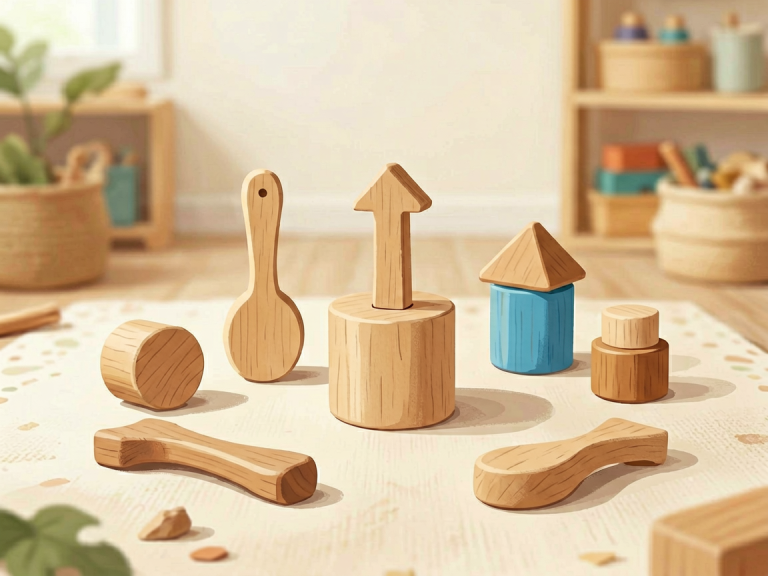
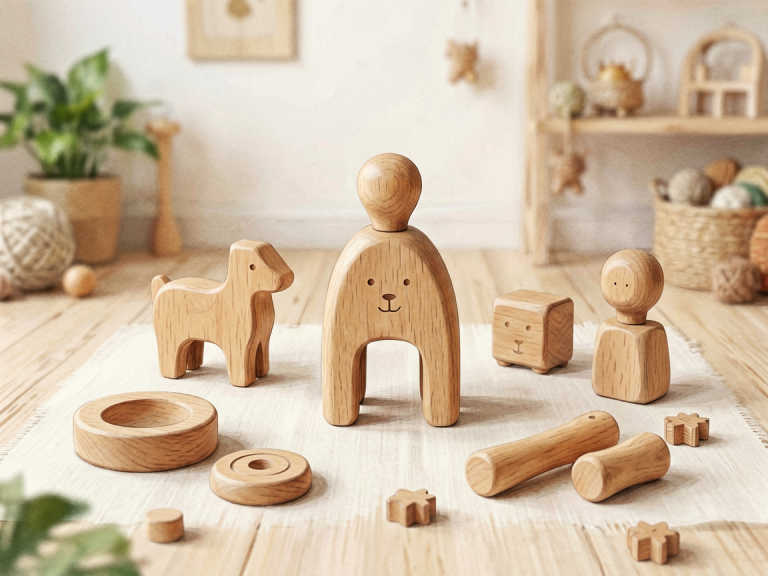
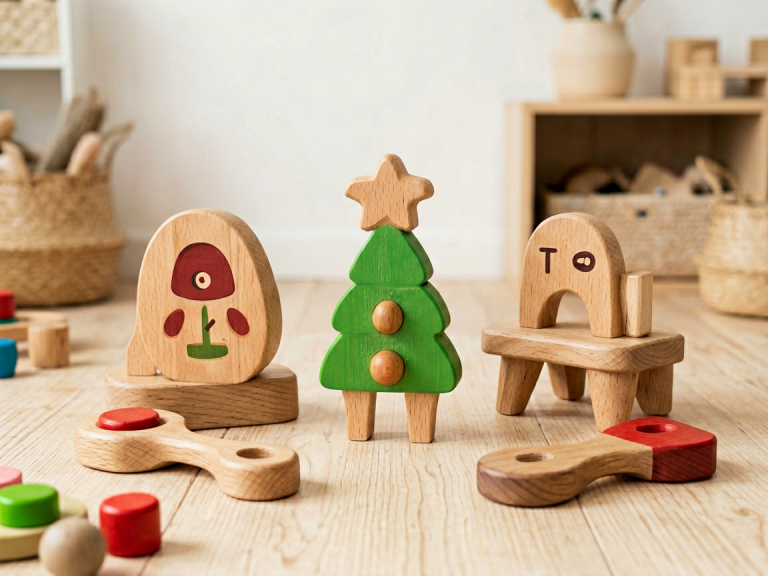
Instead, buy smaller, curated sets. A single, beautiful wooden animal from a quality brand can be played with for years and tucked onto a shelf. A 12‑piece set of colored blocks that stack neatly is better than a 100‑piece set of oddly shaped connectors. Less truly is more when it comes to mess prevention.
Teaching Children to Care for Their Toys – The Final Layer
No strategy will work if the child does not participate. Avoiding messy toys also means teaching children that every toy has a home and that cleanup is part of play. When you buy a new toy, establish the storage rule immediately: “This car goes on this shelf. When you finish, all five cars must be back.” If the toy cannot be stored easily, return it or donate it.
Over time, children internalize these boundaries. They become more cautious about asking for toys that look messy. A five‑year‑old who has learned that “this puzzle goes in the box” is less likely to scatter puzzle pieces across the floor. And a parent who consistently refuses to buy toys that lack storage sends a clear message: our home values order, and play can happen beautifully without chaos.
Conclusion
Avoiding messy toys is not about depriving children of fun. It is about being intentional with the objects we invite into our homes. By asking pre‑purchase questions, favoring toys with built‑in storage, implementing a rotation system, reading honest reviews, and resisting bulk buys, you can build a toy collection that sparks joy without triggering clutter. The result is a calmer home, more focused play, and fewer afternoons spent searching for that one red Lego brick under the sofa. Start today: the next time you reach for a toy, pause, look at the shelf where it would live, and ask, “Is this going to be my friend or my mess?” Choose wisely.