A Parent’s Guide to Avoiding Toy Overload: Practical Strategies for Raising Content Kids with Less
—
Introduction: The Trap of “Just One More”
Walk into any toy store—or even the toy aisle of a supermarket—and you are bombarded with bright colours, smiling characters, and promises of endless fun. The pressure is real: birthday parties, holiday sales, “educational” gadgets, and the well-meaning grandparents who love to spoil. Before you know it, your child’s playroom resembles a discount warehouse, with plastic pieces scattered underfoot, batteries dying at midnight, and a child who still whines, “I’m bored.” If this sounds familiar, you are not alone. The modern parent faces a unique challenge: how to give our children joy and stimulation without drowning them—and ourselves—in an avalanche of toys.
This guide is not about being a Scrooge or denying your child happiness. Instead, it is a compassionate, practical roadmap for reclaiming simplicity. By understanding why we buy too many toys, how to resist the marketing machine, and what to offer instead, you can foster creativity, gratitude, and genuine contentment in your child—while saving money, space, and your sanity.
—
The Hidden Costs of Too Many Toys
## Why Less Really Is More
Before we discuss *how* to stop buying, it helps to understand *why* toy overload is harmful. Research in child development consistently shows that an abundance of toys actually reduces the quality of play. When a toddler faces a bin overflowing with 50 action figures, 30 building blocks, and 20 puzzles, the brain becomes overwhelmed. Instead of deep, imaginative engagement, the child flits from one item to another, never truly concentrating. Dr. Claire Lerner, a child-development specialist, notes that “when children have fewer toys, they play more creatively, solve problems better, and develop longer attention spans.”
Furthermore, toy clutter has a direct impact on family dynamics. A messy playroom causes stress for parents, leads to constant nagging about clean-up, and can even trigger tantrums when a favourite piece is lost in the pile. Children also learn a dangerous lesson: that happiness comes from acquiring new things, not from using what they already have. This mindset can set the stage for materialism and dissatisfaction later in life.
## The Environmental and Financial Toll
Let’s not ignore the practical side. The average American family spends hundreds of dollars per year on toys, many of which are played with for only a few weeks and then forgotten. Most modern toys are made of plastic, often non-recyclable, and end up in landfills. Reducing toy purchases is not only good for your wallet—it is a small but meaningful step toward environmental stewardship. Teaching your child to value experiences over objects is a gift that keeps giving.
—
Breaking the Cycle: How to Resist the Urge to Buy
## Recognize the Triggers
The first step in any behaviour change is awareness. Ask yourself: *When do I feel the strongest urge to buy a toy for my child?* Common triggers include:
- Guilt – because you worked late and feel you haven’t spent enough time with them.
- Comparison – when you see other kids with the latest gadget or your neighbour posting a “perfect” playroom on Instagram.
- Boredom – your child is whining on a rainy afternoon, and a quick Amazon order seems like an easy fix.
- Holiday marketing – the relentless ads that convince you that a specific toy will make Christmas magical.
Identify your personal triggers, and write them down. Awareness breaks the automatic reaction. Next time you feel the urge, pause for 30 seconds. Ask yourself: *Will this toy still be special in a month? Or will it add to the clutter that I’m already tired of stepping on?*
## Set Clear Boundaries with Family and Friends
Grandparents, aunts, and family friends often mean well but can be the biggest contributors to toy overload. It is okay—and necessary—to have a gentle conversation. You might say: “We are trying to teach Liam to appreciate fewer toys and to value experiences. If you’d like to give him a gift, we suggest a museum membership, a subscription to a craft kit, or a contribution to his college fund.” For special occasions, you can specify a “one-toy rule” or request second-hand toys. Many relatives will be relieved to have a clear, kind directive.
## Master the “30-Day Rule”
Whenever you feel tempted to buy a non-essential toy, impose a mandatory 30-day waiting period. Put the item on a wish list (or take a photo on your phone) and promise yourself that if you still think it is a good idea after a month, you will consider purchasing it. In almost every case, the urgency fades. The toy goes on sale, your child forgets about it, or you realise it was a passing whimsy. This simple habit can slash impulse buys by 80 percent.
—
Establishing a Healthy Toy System at Home
## The “One In, One Out” Policy
Once you have stopped the inflow, you need to manage the existing stash. Introduce the “one in, one out” rule: for every new toy that enters the house (whether bought, gifted, or earned), an old toy must leave. This teaches children that space and attention are finite. Let them choose which toy to donate; this empowers them and makes them more thoughtful about what they truly value.
## Rotate Toys to Keep Them Fresh
You do not need to throw away all toys. Instead, create a toy rotation system. Divide your child’s toys into three or four bins. Keep only one bin accessible at a time. Every two weeks, swap the bins. The toys that were “boring” a month ago suddenly become exciting again because they have been out of sight. This trick dramatically reduces the desire for new purchases while extending the life of existing toys. It also makes clean-up manageable.
## Create a “Wish List” Culture
Rather than buying on impulse, encourage your child to maintain a wish list. For younger children, you can write or draw pictures together. For older kids, use a simple notebook or a digital list. When a holiday or birthday approaches, you can refer to the list. The act of waiting and choosing intentionally is a powerful lesson in delayed gratification. You might also set a rule: the child must wait at least two weeks after adding an item to the list before it becomes eligible for purchase.
—
Replacing Toys with Richer Experiences
## The Power of Experiences Over Objects
Research from Dr. Thomas Gilovich at Cornell University shows that people derive more lasting happiness from experiences than from material objects. A family camping trip, a day at the beach, a baking session in the kitchen, or a visit to the library creates memories that strengthen bonds and foster imagination. When you feel the urge to buy a toy, redirect that energy into planning an experience. Write a list of “experience gifts” for birthdays: a ticket to a children’s theatre, a voucher for a pottery class, or a “date night” with mom or dad where the child chooses the activity.
## Embrace Open-Ended Play Materials
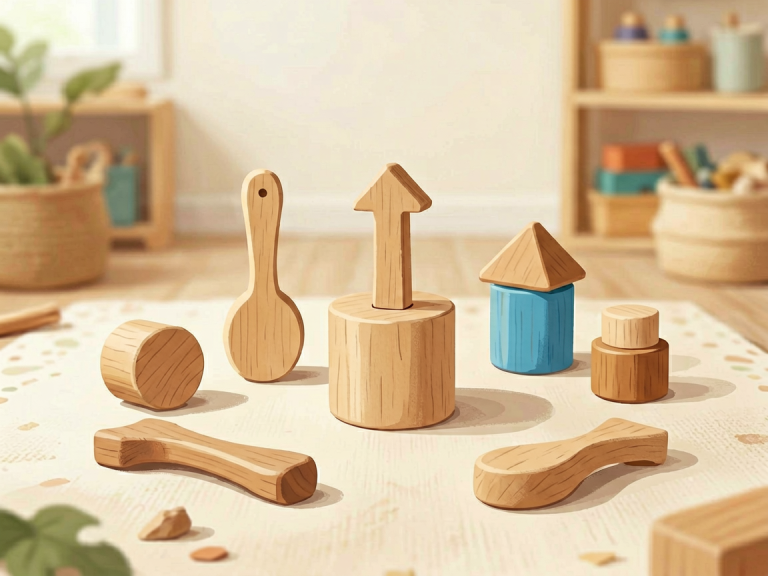
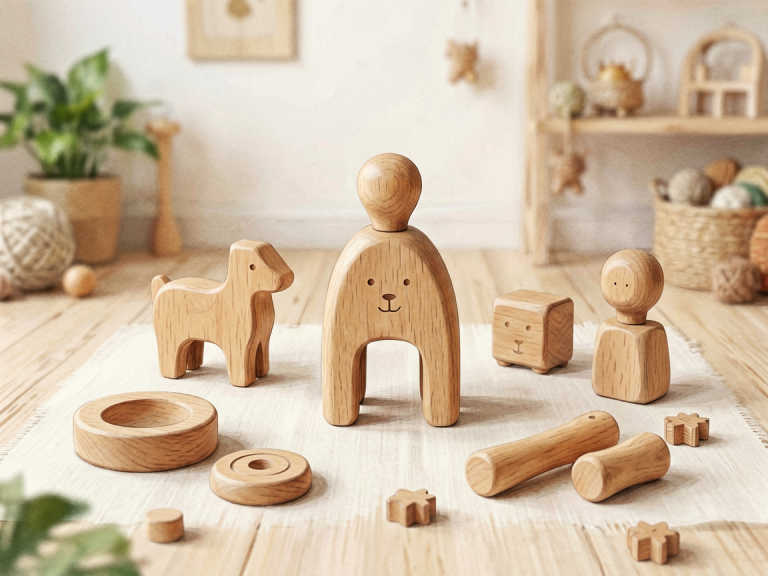
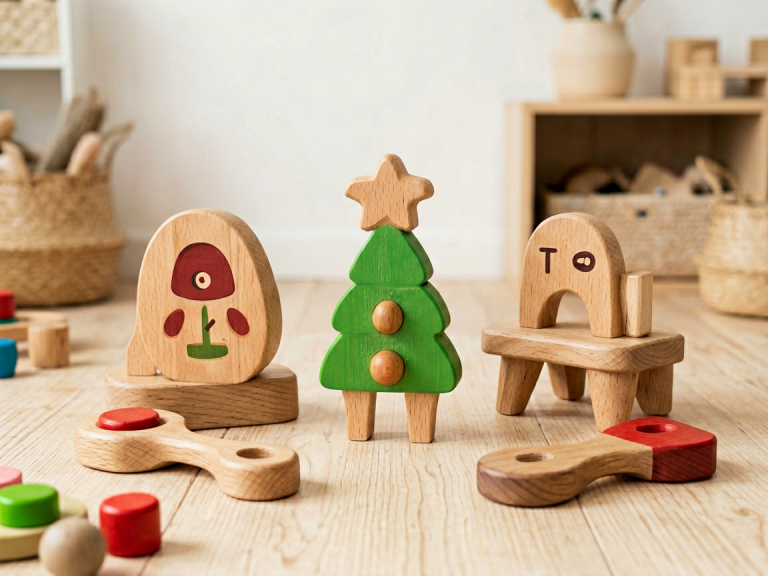
Instead of specialised toys that do only one thing (a talking robot that repeats ten phrases), invest in open-ended materials: wooden blocks, LEGO bricks (but not a specific pre-designed set), art supplies, dress-up clothes, and simple dolls. These items encourage creative problem-solving and can be used in a hundred different ways. They also last much longer than battery-operated gadgets that break within months. A set of plain wooden blocks can entertain a child from age one to age ten.
## The Library as a Toy Store
Public libraries are an underused treasure. Most have toys, puzzles, and board games available for borrowing, in addition to books. Make a weekly library trip a ritual. Let your child borrow a new toy each week. This satisfies the desire for novelty without accumulating clutter. Plus, it teaches responsibility (returning items on time) and the joy of sharing community resources.
—
Cultivating Gratitude and Contentment
## Model Mindful Consumption
Children learn by watching us. If you constantly complain about wanting a new phone, a bigger house, or the latest shoes, your child will absorb the message that happiness lies in acquisition. Instead, talk openly about why you choose not to buy something. Say, “I already have a lovely coat; I don’t need another one.” Celebrate what you have. When your child receives a gift, help them write a thank-you note focusing on the thought behind the gift, not just the item itself.
## Practice Regular Decluttering Together
Make decluttering a monthly family activity. Set a timer for 15 minutes and go through the toy bin together. Ask your child: “Which toys do you love the most? Which ones have you not played with in a long time? Maybe another child would love them.” Let them physically place the donation toys in a box. This turns letting go into a positive act of generosity, not a punishment. It also reinforces the idea that toys are tools for play, not permanent possessions.
## Celebrate Non-Material Milestones
Shift your family’s focus away from “stuff” as rewards. Instead of buying a toy for good behaviour or a school achievement, celebrate with a special outing, a homemade certificate, or extra bedtime stories. Create traditions that don’t involve shopping: a “family game night” once a week, a “no-gifts birthday party” where guests bring a small donation to a charity, or a “toy-free Sunday” where the whole family spends the afternoon outdoors.
—
Conclusion: The Joy of Enough
Avoiding toy overload is not about deprivation. It is about making intentional choices that honour your child’s developmental needs, your family’s values, and the planet’s resources. When you stop buying mindlessly, you open up space—both physical and emotional—for deeper play, richer relationships, and genuine contentment. Your child does not need the newest, shiniest toy to be happy. What they truly need is your time, your attention, and a carefully curated environment that sparks their imagination without overwhelming their senses.
Start small. Pick one strategy from this guide—perhaps the 30-day rule or the toy rotation—and try it for a month. Notice how your child responds. Notice how *you* feel. You might just discover that the best gift you can give your child is the gift of less: less clutter, less pressure, and more room to be a child.
Remember: every time you choose not to buy a toy, you are making a powerful statement. You are saying that love cannot be wrapped in plastic, that creativity blooms in simplicity, and that enough really is enough.
— *Word count: approximately 1,050*