Wooden Toys vs. Plastic Toys: A Comparative Analysis for Conscious Parenting
Introduction
Choosing the right toys for children has never been a trivial decision. In an era of overstimulation, environmental awareness, and heightened safety concerns, parents and educators increasingly debate the merits of wooden toys versus plastic toys. Both materials have dominated the toy industry for decades, each boasting unique advantages and hidden drawbacks. While plastic toys are often colorful, inexpensive, and ubiquitous, wooden toys evoke nostalgia, craftsmanship, and a connection to nature. This article offers a thorough, evidence-based comparison across five critical dimensions: environmental impact, safety and durability, educational value, sensory experience, and cost. The goal is not to declare a universal winner but to equip care givers with insights that align with their values, budget, and their child’s developmental needs.
1. Environmental Impact: Sustainability and Biodegradability
The ecological footprint of toys is a growing concern, especially as plastic pollution continues to choke ecosystems. Wooden toys, when sourced from sustainably managed forests (look for FSC certification), are renewable. After a wooden toy is discarded, it can biodegrade within months to a few years, returning carbon to the soil without leaching toxic chemicals. In contrast, plastic toys are almost entirely made from petroleum-based polymers—non-renewable resources that require energy-intensive extraction and refining. Even if a plastic toy is recycled, the process is inefficient: most plastics end up in landfills or incinerators, where they can take up to 450 years to decompose, slowly releasing microplastics into groundwater and oceans.
Another nuance is packaging. Wooden toys often come with minimal, recyclable packaging (cardboard boxes, paper wrapping), whereas plastic toys are frequently sealed in blister packs or shrink wrap. Furthermore, the production of plastic toys emits higher greenhouse gases per unit. For eco-conscious families, wooden toys present a clear advantage—provided they are not painted with toxic, non-biodegradable coatings. However, parents should note that cheap, mass-produced wooden toys may come from illegally logged forests or use synthetic glues that offset their green credentials. Therefore, choosing certified brands is essential.
2. Safety and Durability: From Toxins to Longevity
Safety is arguably the most pressing factor for infants and toddlers, who explore the world through mouthing. Plastic toys can contain bisphenol A (BPA), phthalates, and lead, especially if they are low-quality imports. Even in high-quality plastics, chemical additives can leach out when the toy is exposed to heat or saliva. The European Union’s strict REACH regulations have reduced these risks, but not all markets enforce equal standards. Conversely, well-made wooden toys are naturally free of these chemicals, though paint or varnish can introduce dangers. Reputable wooden toy manufacturers use water-based, non-toxic paints and food-grade oils, making them safe even for teething babies.
Durability is another contrast. Plastic toys are often lightweight and shatter-resistant, but they crack, break, or lose parts under moderate stress. A dropped plastic car might snap a wheel, leaving sharp edges. Wooden toys, by contrast, are robust; a solid wood block can withstand decades of play. That said, wood can splinter over time if untreated, and heavy pieces may cause injury if thrown. Plastic wins in terms of flexibility—think soft dolls or bendable action figures—but for sheer longevity, a well-crafted wooden train set can be handed down across generations.
3. Educational Value: Fostering Creativity and Cognitive Development
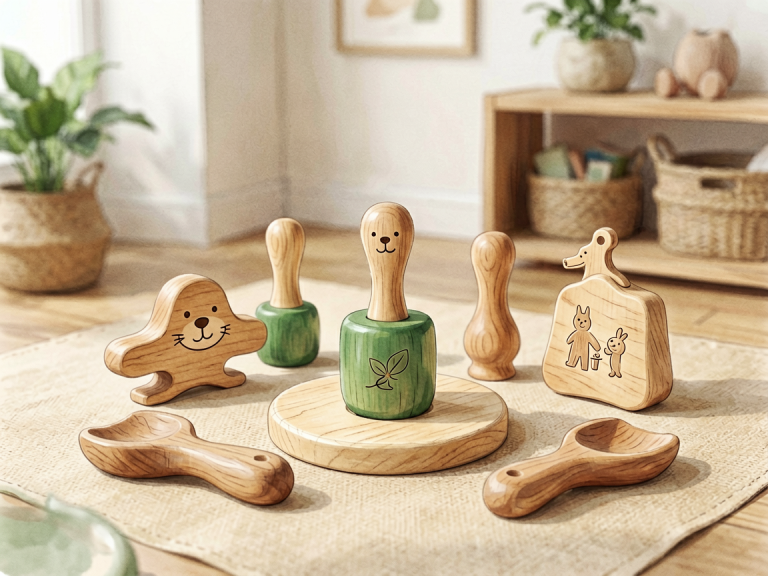
Educational philosophy increasingly values open-ended play, and wooden toys excel here. Simple wooden blocks, stacking rings, and shape sorters require children to use their imagination rather than follow pre-programmed sounds or lights. A plastic toy that sings “A-B-C” may teach letters through passive repetition, but it also dictates a single mode of interaction. A wooden block, in contrast, can become a phone, a bridge, a sandwich, or a building stone. This flexibility nurtures divergent thinking, problem-solving, and executive function. Maria Montessori and Rudolf Steiner both championed natural materials precisely because they leave room for child-led discovery.
Plastic toys, particularly those with batteries, often feature cause-and-effect mechanisms (press a button, hear a tune). While these can teach simple logic, they risk over-stimulation and reduce sustained attention. Neuroscientific research suggests that too many sounds and flashing lights can actually impair a child’s ability to focus on a single task. Wooden toys, with their quiet, simple existence, invite deeper concentration and fine-motor manipulation. However, plastic toys have their place: complex Lego bricks facilitate spatial reasoning and creativity as much as any wood block, and modular plastic construction sets can teach engineering principles from an early age. The key is balance—but for pure cognitive flexibility, wood often has the edge.
4. Sensory Experience: Texture, Weight, and Aesthetics
Children learn through their senses, and the tactile experience of wood is profoundly different from plastic. Wood feels warm, organic, and slightly porous; it has a natural grain and a subtle scent that connects a child to the natural world. The weight of a wooden toy is substantial, providing proprioceptive feedback that helps children understand gravity and force. A wooden car rolls slower and heavier than a plastic one, teaching a more realistic sense of momentum. Visually, wooden toys often feature muted, earthy colors or natural finishes that are less visually chaotic than the neon palettes of many plastic toys. This can be calming in a playroom already bombarded with screens and bright lights.
Plastic toys are typically smooth, cold, and uniform. They are often lightweight, which can make them easier for small hands to lift but also less satisfying to manipulate. The glossy surface of many plastic toys can feel slippery and lacks the grip of wood. Some plastic toys compensate with texture (rubber, silicone), but these are synthetic and do not provide the same depth of sensory input. For children with sensory processing differences, wooden toys are often recommended as grounding tools. On the downside, hard plastic can be more difficult to grasp for very young toddlers, and its coldness can be off-putting. In terms of auditory experience, wooden toys produce a gentle, resonant sound when knocked together, whereas plastic toys emit a hollow rattle. Both are valid, but the natural acoustic quality of wood is often preferred by those who value a quieter, more intentional play environment.
5. Cost and Accessibility: A Practical Consideration
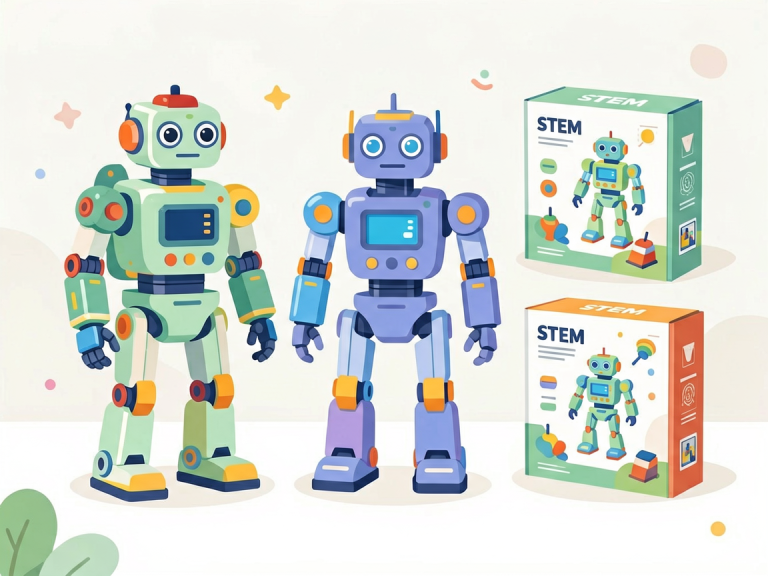
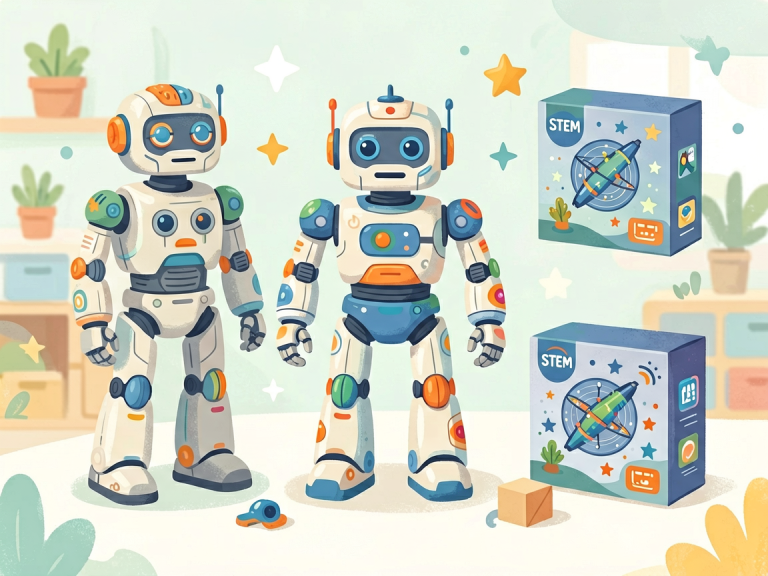
There is no denying that plastic toys are significantly cheaper than their wooden counterparts. A set of colorful plastic stacking cups might cost $5, while a comparable wooden set could be $25. Mass production, injection molding, and global supply chains make plastic toys affordable for families on tight budgets, allowing wider access to play. Plastic also enables complex, functional features (moving gears, flashing lights, interactive gears) that would be astronomically expensive to replicate in wood. For parents seeking variety and novelty at low cost, plastic is hard to beat.
Conversely, wooden toys are often marketed as “heirloom quality.” While the upfront investment is higher, their durability means a single wooden puzzle might last through multiple children and even grandchildren. Economically, the cost-per-use can actually be lower over a decade than a flimsy plastic toy that cracks after six months. Additionally, many wooden toys have a timeless aesthetic that retains resale value; second-hand wooden toys in good condition can fetch 50–70% of their original price. Accessibility is another factor: wood is less commonly available in discount stores, and high-quality wooden toys often require online orders or specialty shops. Families in remote areas may have limited choices, whereas plastic toys line every supermarket aisle.
Conclusion
Both wooden toys and plastic toys have legitimate roles in childhood. Wooden toys shine in environmental sustainability, safety (when non-toxic), open-ended educational value, and rich sensory feedback. They are a wise investment for families who prioritize longevity, natural materials, and imagination-based play. Plastic toys, on the other hand, offer affordability, accessibility, vibrant designs, and complex interactive features that can scaffold early learning in specific areas. They are also indispensable for water play or outdoor use where wood might warp or rot.
Rather than choosing one over the other, a balanced approach is often best: use wooden blocks for daily open-ended play, and consider plastic construction sets or musical toys for targeted learning. The key is to be intentional—read labels, avoid toxic plastics, and remember that the most educational toy is the one that a child chooses to engage with, regardless of material. In the end, wooden toys and plastic toys are not enemies; they are two tools in a parent’s kit, each with a unique capacity to support healthy development. By understanding their differences, we can make informed choices that benefit both our children and the planet.