How to Manage Toy Safety: A Comprehensive Guide for Parents and Caregivers
Toys are not just sources of entertainment; they are essential tools for a child’s cognitive, physical, and emotional development. However, improper toy selection, use, or maintenance can turn these joyful objects into hidden hazards. Every year, thousands of children worldwide are treated in emergency rooms for toy-related injuries, many of which are preventable. Managing toy safety is not a one-time task but an ongoing responsibility that requires awareness, vigilance, and practical strategies. This article provides a detailed framework for ensuring that the toys in your home are safe, age-appropriate, and maintained in good condition.
Understanding the Fundamentals of Toy Safety
Before diving into specific management practices, it is crucial to understand why toy safety matters. Young children, especially those under three years old, explore the world through mouthing, chewing, and handling objects. They lack the coordination and judgment to avoid dangers such as choking, sharp edges, or toxic substances. Even older children can face risks from toys with batteries, magnets, or projectiles. The first step in managing toy safety is to recognize the common hazards:
- Choking and suffocation: Small parts, deflated balloons, and loose pieces.
- Strangulation: Cords, ribbons, and necklaces longer than 12 inches.
- Toxicity: Lead paint, phthalates, and other chemicals in plastic or painted surfaces.
- Shock and fire: Poorly insulated electrical toys or damaged wiring.
- Sharp edges and points: Broken plastic, metal parts, or poorly constructed wooden toys.
With these risks in mind, let us explore how to systematically manage toy safety from selection to disposal.
Selecting Safe Toys: The First Line of Defense
The most effective way to manage toy safety is to prevent dangerous toys from entering your home in the first place. When purchasing new toys, follow these guidelines.
Age Labels Are Not Suggestions
Manufacturers are required by law in many countries (such as the U.S. Consumer Product Safety Commission’s regulations) to label toys with age recommendations. These labels are based on developmental milestones and known risks. For example, a toy marked “3+” is not a marketing trick; it indicates that the toy contains small parts that can be a choking hazard for infants and toddlers. Always respect these labels, and do not assume that a toy is safe because it looks simple. A toy that is safe for a 5-year-old can be lethal for a 1-year-old.
Check for Certification and Compliance
Look for safety certifications on the packaging. In the United States, toys should have the “ASTM F963” label, indicating compliance with the American Society for Testing and Materials standard. In the European Union, look for the “CE” mark. For electrical toys, additional certifications like “UL” (Underwriters Laboratories) or “EN 62115” are important. If a toy lacks any certification markings, especially from an unknown manufacturer or an online marketplace, consider it suspect. Avoid cheap, unbranded toys from discount stores or street vendors, as they often bypass safety testing.
Material and Construction
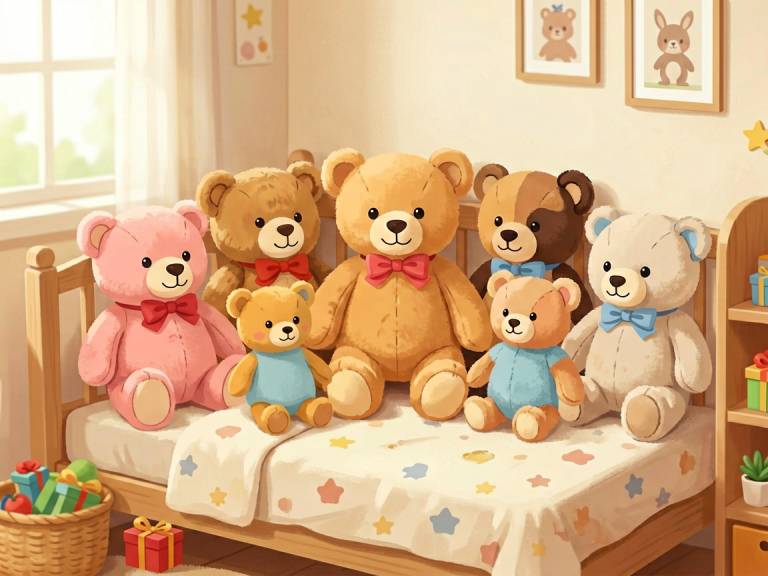
Inspect the toy’s physical characteristics. Wooden toys should be smooth, with no splinters or cracks. Plastic toys should be sturdy, not flimsy or brittle. Fabric toys should be washable, with reinforced seams that prevent stuffing from escaping. Avoid toys with small magnets, as swallowed magnets can attract each other inside the digestive system, causing life-threatening injuries. Similarly, avoid toys with button batteries (the small, round, coin-like batteries) unless the battery compartment is secured with a screw. Button batteries are particularly dangerous because if swallowed, they can burn through the esophagus within hours.
Sensory and Chemical Hazards
When buying art supplies, paints, play dough, or makeup sets, ensure they are labeled “non-toxic” and “washable.” For children under six, avoid toys that contain phthalates (often found in soft vinyl plastic) or lead-based paint. The safest choice is to select toys made from natural materials like organic cotton, food-grade silicone, or untreated solid wood. If you are buying second-hand toys, be especially cautious: older toys may have been manufactured before stricter safety regulations, and they might contain lead paint or other banned substances.
Supervising Play: Active Risk Management
Even the safest toy can become dangerous in the wrong context. Supervision is a dynamic, ongoing component of toy safety management.
Know Your Child’s Developmental Stage
No label can replace a parent’s judgment. A toy that is technically age-appropriate for a 2-year-old may still be risky if that particular child has a habit of putting everything in their mouth or running while holding a toy with a string. Observe your child’s behavior. If your child tends to bite or chew toys, avoid anything that can be broken into small pieces. If your child is hyperactive, avoid toys with long cords or sharp protrusions.
Set Playtime Rules
Establish simple, firm rules for toy use: no running with toys that have long handles, no throwing hard objects, and no playing with toys near stairs or water (unless the toy is specifically designed for water). For older children, teach them to clean up after play to prevent tripping hazards. Young children, especially those under the age of three, should never be left alone with a toy that contains small parts, even if the toy is labeled for that age. Remember: supervision is not just watching; it is actively scanning the play area for emerging risks.
Battery and Electrical Safety
Toys that use batteries (especially button batteries) or require plugging into an outlet must be used with extreme caution. For children under eight, avoid toys that need to be plugged into a wall outlet. Always remove batteries from toys that are not in use to prevent leakage or accidental activation. Teach older children not to put fingers or objects into electrical sockets of battery-operated toys. If you notice any frayed wires, overheating, or unusual smells from an electronic toy, immediately stop using it and dispose of it properly.
Regular Inspection and Maintenance: The Hidden Risks of Wear
Toys deteriorate over time. A broken toy is often more dangerous than a new one because its original safety features may be compromised.
Create a Routine Toy Check
Set a monthly schedule to inspect all toys. Check for:
- Loose eyes, buttons, or glued-on parts that could become choking hazards.
- Torn fabric or broken seams that expose stuffing, which can cause suffocation if ingested.
- Cracked plastic, sharp edges, or splinters on wooden toys.
- Rust or corrosion on metal toys, especially outdoor toys.
- Fungus or mold on bath toys, especially those that can trap water inside (squeeze toys, bath books). To prevent mold, squeeze all bath toys dry after use and store them in a ventilated area.
Repair or Discard
When you find a defect, decide whether it can be safely repaired. For example, a loose stitch can be resewn, or a missing screw can be replaced. However, if the toy has a cracked heat-sensitive panel, a broken battery compartment, or any sign of structural weakness, it is safer to discard it. Never attempt to glue small parts back onto a toy intended for a child who mouths objects, because the glue may not hold, and the child could ingest the piece.
Storage Cautions
How you store toys also affects safety. Avoid storing heavy toys on high shelves where they could fall on a child. Use bins without lids that can pinch little fingers, or bins with lids that are easy for children to open. Keep toxic items like toy glues, paints, or chemistry sets out of reach of younger siblings. For outdoor toys (swings, slides, trampolines), regularly check for loose bolts, rotting wood, or frayed ropes, and ensure the toys are anchored securely to the ground.
Teaching Children About Toy Safety
Children are not passive recipients of safety; they can learn to recognize and avoid hazards. Age-appropriate education is a powerful tool.
Start Early
From around age two, you can teach simple concepts: “We only put food in our mouths, not toys.” By age three or four, children can understand that “tiny toys stay here; big toys are for all.” Use role-playing and stories. Explain that if a toy breaks, it is not for playing anymore, and they should tell an adult.
Establish a “Toy Safety” Culture
Encourage children to report any broken toys, loose parts, or even just toys that “look different.” Praise them for being responsible. For older children (six and above), involve them in the monthly toy inspection. Let them help identify potential hazards such as frayed strings on a jump rope or a missing wheel on a toy car. This not only reinforces safety but also fosters a sense of ownership and care for their belongings.
Online and Smart Toys
In the digital age, toy safety extends beyond physical hazards. Smart toys that connect to the internet (via Wi-Fi or Bluetooth) can pose privacy and security risks. Before allowing a child to use a connected toy, research the manufacturer’s data protection policies, change default passwords, and ensure that the toy’s software is updated. Teach older children not to share personal information (name, address, school) through toy chatbots or apps.
Staying Informed and Responding to Recalls
No amount of personal vigilance can guarantee that all toys are safe, because manufacturing defects sometimes only become apparent after a toy is widely sold. Therefore, staying informed about toy recalls is essential.
How to Find Recall Information
In the United States, the Consumer Product Safety Commission (CPSC) maintains a searchable database of toy recalls at cpsc.gov. Similar agencies exist in other countries. You can also sign up for email alerts or follow toy safety blogs. Social media groups focused on parenting often share recall notices quickly. Whenever you hear about a recall of your child’s toy, stop using it immediately, and follow the recall instructions (usually a refund or replacement).
The Role of Second-Hand and Hand-Me-Down Toys
Second-hand toys, including those from yard sales, thrift stores, or donations from friends, must be treated with extra caution. They may not have original packaging, labels, or safety certifications. They could contain lead paint, phthalates, or other banned materials from decades ago. Before accepting a used toy, examine it thoroughly. Avoid used car seats, cribs, or playground equipment because their safety standards change frequently. For stuffed animals, wash them thoroughly on a hot cycle and check for embedded wire frames or broken seams. For plastic toys, check for yellowing or brittle texture that indicates aging plastic.
Conclusion: Safety Is a Habit, Not a Chore
Managing toy safety does not require expensive equipment or a degree in engineering. It simply requires a mindset—a commitment to being proactive rather than reactive. By selecting toys wisely, supervising play, inspecting regularly, educating your child, and staying connected to recall information, you create an environment where play is both joyful and safe. Remember that the best toy in the world is useless if it hurts a child. So take the time today to go through your toy box, check for hazards, and teach your little one one simple rule: “Safety first, fun always.” With consistent effort, you can turn toy safety from a source of anxiety into a natural part of everyday life.