Toy Safety Guide for Parents: Protecting Little Ones While They Play
Toys are more than just playthings—they are tools for learning, exploration, and joy. But as any parent knows, the world of children’s toys can also be a minefield of hidden hazards. Each year, thousands of children are treated in emergency rooms for toy-related injuries, many of which are entirely preventable with the right knowledge. This comprehensive toy safety guide will equip you with the essential information you need to choose, inspect, and maintain toys that are not only fun but also safe for your child.
Understanding Age Labels: Why They Matter More Than You Think
One of the most overlooked aspects of toy safety is the age recommendation printed on the packaging. Many parents assume these labels are merely suggestions or marketing strategies, but in reality, they are based on rigorous safety testing and developmental research. Age labels take into account not only a child’s cognitive abilities but also their physical development, including fine motor skills, coordination, and the tendency to put objects in their mouth.
For children under three years old, the risk of choking is paramount. Toys labeled “3+” are designed to exclude small parts that could become lodged in a baby’s airway. Even if your two-year-old seems advanced, do not ignore these warnings. A toddler’s trachea is roughly the diameter of their pinky finger—a size that makes many common toy components deadly. Similarly, toys meant for older children may contain magnets, batteries, or small balls that pose severe ingestion risks for younger siblings. Always buy toys that match your child’s current stage, not their perceived “giftedness.”
Choking Hazards: The Small Parts Test You Can Do at Home
Small parts remain the number one cause of toy-related fatalities among young children. The U.S. Consumer Product Safety Commission (CPSC) defines a small part as any object that fits entirely inside a standard test cylinder, which is approximately the size of a child’s mouth. As a parent, you can perform your own basic safety check: if a toy or any detachable piece can pass through the center of a toilet paper roll, it is a choking hazard for children under three.
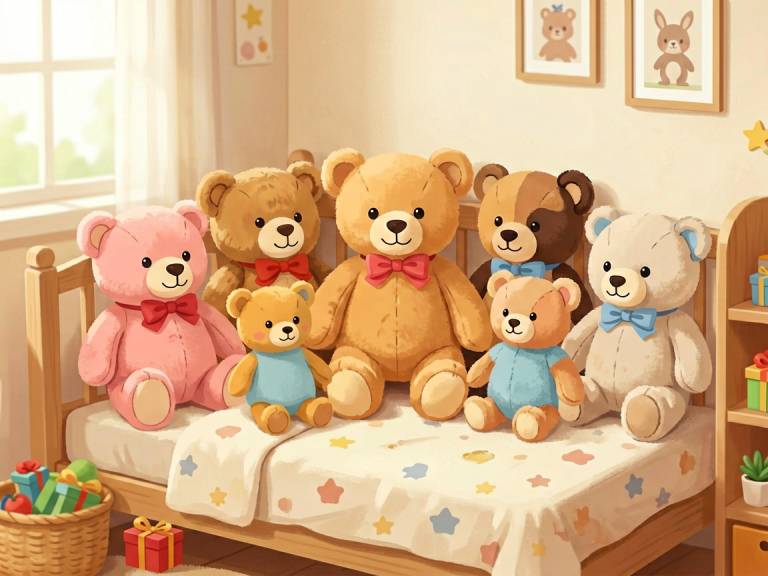
But the danger is not limited to obviously tiny items. Watch for toys that have buttons, beads, coins, marbles, or loose wheels. Also be wary of toys that break easily—plastic that snaps into sharp shards or flimsy seams that release stuffing. Regularly inspect toys for wear and tear. A teddy bear’s eye that becomes loose after months of hugging can suddenly become a dangerous object. When in doubt, throw it out. It is far better to replace a favorite toy than to risk a trip to the emergency room.
Chemical Safety: What’s Hiding Inside the Plastic?
In recent years, there has been growing concern about toxic chemicals in children’s toys, particularly lead, phthalates, bisphenol A (BPA), and heavy metals. These substances are often found in cheap plastics, paint, and coatings. Prolonged exposure can lead to developmental delays, hormonal disruption, and even organ damage. The problem is especially acute in imported toys that may not meet the strict safety standards of your home country.
To protect your child, always look for toys that are labeled “non-toxic,” “BPA-free,” and “phthalate-free.” Prefer toys made from natural materials such as solid wood, organic cotton, or food-grade silicone. Avoid toys with a strong chemical smell, which is a red flag for volatile organic compounds (VOCs). Additionally, stay informed about toy recalls by signing up for alerts from the CPSC or equivalent authority in your country. A quick online search before purchasing can reveal whether a particular brand or product has a history of safety violations.
Batteries, Magnets, and Electronics: Hidden Dangers in Modern Toys
The rise of electronic toys has introduced new categories of risk. Button batteries—those small, shiny, coin-shaped cells found in singing books, light-up wands, and remote controls—are among the most dangerous items a child can swallow. If lodged in the esophagus, they can cause severe internal burns within just two hours, leading to permanent injury or death. Always ensure that battery compartments are secured with screws, not just sliding covers. Store spare batteries out of reach, and dispose of used ones immediately.
Magnetic toys present another critical hazard. High-powered magnets, often used in construction sets or desk toys, can cause catastrophic internal injuries if a child swallows more than one. The magnets attract each other through intestinal walls, pinching tissue and causing perforations, sepsis, or death. For this reason, magnetic toys are typically not recommended for children under 14, and even older kids should be supervised. If a magnetic toy breaks, discard all the pieces at once.
Age-Specific Guidelines: From Infants to School-Age Children
Safety guidelines are not one-size-fits-all. For infants and babies up to 12 months, the focus should be on soft, washable toys without small parts or long strings. Avoid toys with ribbons or cords longer than 12 inches, as they pose a strangulation risk. Rattles and teethers should be large enough that they cannot be swallowed whole, and they should never have loose fillings.
For toddlers aged one to three, push-and-pull toys are excellent for gross motor skills, but check that handles are securely attached and that there are no sharp edges. Ride-on toys should be low to the ground and stable. Avoid toy chests with heavy lids that can slam down on little fingers—or worse, trap a child inside. Instead, choose open bins or baskets with lightweight covers.
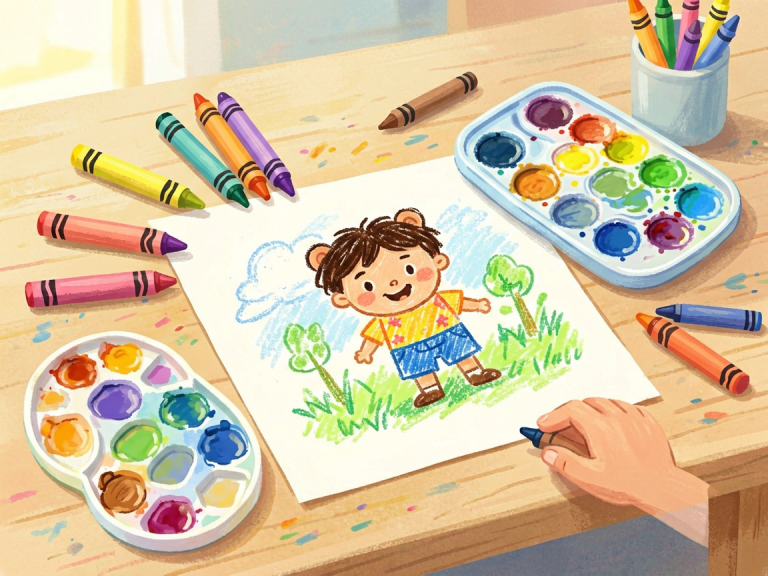
Preschoolers aged three to five enjoy arts and crafts, but be vigilant with scissors, glue, and markers. Always choose child-safe versions: blunt-tip scissors, non-toxic glue, and washable markers. Be cautious with costume jewelry or dress-up accessories that may contain lead or small parts. And remember: even at this age, children still explore with their mouths, so any toy that fits in their mouth is a risk.
For school-age children (6 and up), the risks shift toward more complex toys like bicycles, scooters, skateboards, and science kits. These require proper safety gear: helmets, knee pads, and elbow pads. Chemistry sets should include safety goggles and clear instructions. Always supervise the first few uses of any new toy that involves physical activity or potential chemical exposure.
Storage and Maintenance: Keeping Toys Safe Over Time
A clean, organized play space is a safer play space. Toys should be stored in a way that prevents tripping hazards and allows for easy inspection. Rotate toys periodically to keep your child interested, but before introducing a stored toy, check it for damage. Mold and mildew can grow on stuffed animals or bath toys if they are not dried properly—clean them regularly according to manufacturer instructions.
Teach your child from an early age to put toys away, but do not rely on a toddler to do this unsupervised. Instead, create a routine where you go through the toy bin together, checking for broken pieces. This not only instills responsibility but also gives you a regular opportunity to spot potential hazards. Remember: a toy that was safe yesterday may be broken today. Constant vigilance is the price of peace of mind.
Final Thoughts: Your Role as the First Line of Defense
No government regulation or safety certification can replace a parent’s watchful eye. The most dangerous toy is one that is used incorrectly, or one that has been damaged and neglected. By staying informed, reading labels, performing routine checks, and understanding your child’s developmental stage, you create an environment where imagination can flourish without unnecessary risk. Play is essential for childhood development—and safe play is a gift that keeps on giving.
Keep this toy safety guide handy. Share it with grandparents, babysitters, and other caregivers. Because when it comes to protecting our children, knowledge is not just power—it is protection. And every hug, every laugh, every squeal of delight from a child who feels safe enough to explore is worth every ounce of caution.