The Ultimate Guide to Buying Toys on a Budget: Smart Strategies for Fun Without Breaking the Bank
Introduction: Why Budget-Friendly Toy Shopping Matters
Toys are more than just playthings—they are tools for learning, creativity, and emotional development. Yet, every parent, caregiver, or gift-giver knows the sting of walking into a toy store only to be confronted with price tags that rival a small appliance. The pressure to provide the latest trending toy, especially during holidays or birthdays, can quickly spiral into financial stress. But here’s the good news: buying toys on a budget is not only possible—it can be a rewarding, strategic exercise that teaches children the value of resourcefulness and gratitude. This guide will walk you through practical, research-backed methods to stretch your toy budget without sacrificing quality, joy, or educational value. Whether you are shopping for a toddler, a school-age child, or a teenager, the principles remain the same: plan ahead, think creatively, and prioritize experiences over possession.
Section 1: The Mindset Shift – From Consumerism to Curation
1.1 Redefining “Value” in Toy Purchases
The first step to budget-friendly toy shopping is changing how you define value. A toy’s price tag often reflects marketing hype, brand licensing fees, or elaborate packaging rather than its actual play potential. A high-quality wooden block set, for instance, may cost less than a battery-operated plastic robot that breaks within a month—but the blocks can be used for years, fostering open-ended creativity. When you shift your focus from “What’s the newest thing?” to “What will my child actually use and enjoy over time?” you naturally begin to spend less and get more. Ask yourself: Does this toy encourage active play? Can it be used in multiple ways? Will it survive rough handling? Does it require batteries or expensive refills? These questions help you filter out overpriced duds.
1.2 Embracing Minimalism and the 80/20 Rule
The 80/20 rule applies to toys: most children play with only 20% of their toys 80% of the time. The remaining 80% clutter shelves, collect dust, and waste money. By consciously reducing the number of toys you purchase, you not only save money but also help your child focus and engage more deeply with fewer, better items. A minimalist approach doesn’t mean deprivation; it means curation. Before buying anything, check your current toy collection. Do you already have something similar? Could a simple household item (like a cardboard box, measuring cups, or old clothes) achieve the same purpose? Often, the answer is yes.
Section 2: Pre-Purchase Strategies – Research, Lists, and Timing
2.1 Create a Wish List and Stick to It
Impulse buying is the enemy of any budget. Before you enter a store or browse online, sit down with your child (if age-appropriate) and create a wish list of no more than three to five items. This list should be based on genuine interest, not fleeting advertisements. Keep the list visible—on your phone notes or a sticky note on the fridge—and refer to it every time you feel tempted by a sale. A wish list also helps you avoid duplicate gifts from relatives and friends. You can even share the list with grandparents or aunts and uncles, ensuring that any presents they buy are truly wanted.
2.2 The Power of Off-Season Shopping
Toys follow seasonal price cycles. After a major holiday (Christmas, Hanukkah, birthdays), retailers slash prices to clear inventory. Similarly, end-of-summer sales on outdoor toys, back-to-school clearance, and post-Easter candy-and-toy sales offer deep discounts. If you can plan ahead, stock up on birthday or holiday gifts during these clearance events. For example, buy a sled or a pool toy in January when nobody else is looking for them, and stash them away. The same applies to character-based toys tied to movies: after a film leaves theaters, merchandise prices plummet.
2.3 Leverage Price Tracking and Coupons
Online shopping gives you a powerful tool: price history. Use websites or browser extensions like CamelCamelCamel (for Amazon) or Keepa to see how a toy’s price has fluctuated over time. Set price alerts so you get notified when the cost drops to your target. Additionally, sign up for newsletters from stores you trust, but create a separate email address to avoid inbox clutter. Many retailers offer a 10–15% discount just for subscribing. Combine these with cashback apps like Rakuten or Honey to stack savings. Never pay full price for a toy unless it’s a rare, non-negotiable item.
Section 3: Shopping Channels – Where to Find the Best Deals
3.1 Thrift Stores, Consignment Shops, and Online Marketplaces
Second-hand is not second-best. Thrift stores, garage sales, consignment shops, and online platforms like Facebook Marketplace, OfferUp, or eBay are treasure troves for budget toy shoppers. Many toys are donated or sold in near-mint condition because children outgrow them quickly. Look for classic brands like LEGO, Fisher-Price, Melissa & Doug, and wooden puzzles—these hold up well over time. When buying used, inspect for safety: check for broken parts, recalled items, or missing pieces that could be hazards. Clean everything thoroughly with disinfectant wipes or a gentle soap solution. You can often find high-quality toys for 50–90% less than retail.
3.2 Toy Libraries and Community Swap Events
Many communities have toy libraries—similar to book libraries—where you can borrow toys for a low membership fee or even for free. This is ideal for toy rotations, especially for babies and toddlers who outgrow developmental toys rapidly. Additionally, organize or attend toy swap events in your neighborhood, church, or school. Each family brings gently used toys they no longer need, and children “shop” for new-to-them items. It’s a zero-cost way to refresh your toy collection while teaching sharing and sustainability.
3.3 Direct from Manufacturers and Discount Stores
Sometimes the best deals come from factory outlet stores, overstock websites (like Zulily or Overstock.com), or large discount retailers like Target’s clearance aisle or Walmart’s rollback racks. Don’t overlook dollar stores for small items: art supplies, bubble toys, playdough, and simple puzzles are often surprisingly decent. However, be cautious of cheap plastic toys that may contain harmful chemicals like lead or phthalates. Look for safety certifications (ASTM, CE) and avoid toys with a strong chemical smell.
Section 4: DIY and Upcycling – The Ultimate Budget Hack
4.1 Make Your Own Toys with Household Items
Some of the most engaging toys cost nothing. A cardboard box can become a spaceship, a castle, or a car. Old socks turn into puppets. Empty plastic bottles become bowling pins or sensory bottles filled with glitter and water. Measuring cups and spoons make excellent sand and water toys. The internet is overflowing with DIY toy tutorials: from homemade playdough (flour, salt, water, and food coloring) to sensory bins (rice, beans, or pasta) to simple felt boards. Involving your child in the making process doubles the fun and builds creativity.
4.2 Upcycling Broken or Outgrown Toys
Before throwing away a toy that’s broken or outgrown, consider upcycling. Missing a puzzle piece? Turn it into a magnet or a decoration. Broken toy car? Salvage the wheels for a craft project. Old LEGO bricks can be donated or used for homemade keychains, magnets, or picture frames. This not only saves money but also teaches resourcefulness—a valuable life skill that no store-bought toy can match.
4.3 Subscription Box Alternatives
Subscription toy boxes (like KiwiCo or Lovevery) are popular but can be pricey. Instead, create your own “subscription” by rotating a basket of toys and activities you already own. Each week, swap out five items from a storage bin, and add a simple new element—like a new book from the library or a homemade sensory material. This maintains the novelty without the monthly fee.
Section 5: Long-Term Savings – Maintenance and Rotation
5.1 Toy Rotation System
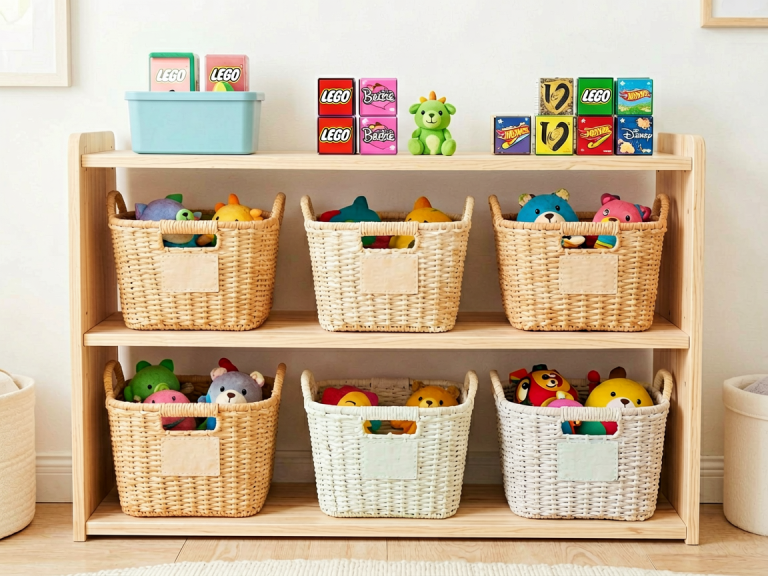
Implement a toy rotation to extend the life and interest of your current collection. Divide toys into three or four groups. Store all but one group out of sight in a closet or under the bed. Every two to four weeks, swap the groups. Children will feel like they are getting “new” toys without any extra cost. This system also reduces clutter and makes cleanup easier.
5.2 Repair and Restore Before Replacing
Teach your child (and yourself) to repair toys when possible. A simple sewing stitch can fix a stuffed animal’s tear. Super glue can reattach a broken plastic piece. Batteries can be replaced. Instead of tossing a toy that’s on its last legs, consider whether a fix is possible. Many times, the cost of repair is far less than a replacement, and it extends the toy’s useful life.
5.3 Plan for Gifts and Holidays with a Budget
Finally, set a firm annual or monthly toy budget. This doesn’t have to be rigid—you can allocate a certain amount for birthdays, holidays, and spontaneous “just because” gifts. Use a simple envelope system or a separate bank account. When the money is gone, it’s gone. This discipline prevents overspending and encourages thoughtful purchasing. Remember: experiences like trips to the park, picnics, or library visits often create more lasting memories than any toy.
Conclusion: The Joy of Intentional Giving
Buying toys on a budget is not about deprivation—it’s about intention. By planning ahead, exploring second-hand channels, embracing DIY, and focusing on quality over quantity, you can provide your child with a rich, playful environment without financial strain. More importantly, the habits you model—resourcefulness, patience, and creativity—will shape your child’s relationship with material possessions for years to come. So next time you reach for your wallet, pause and ask: “Does this toy deserve a place in our home? Or can we create something even better with what we already have?” The answer might just surprise you—and your bank account will thank you.