The Art of Choosing Birthday Toys: What to Know Before You Pick
Choosing the perfect birthday toy for a child can feel like navigating a labyrinth of brightly colored aisles, online reviews, and conflicting advice. Every parent, relative, or friend wants to see a child’s face light up when they unwrap a present. Yet behind that moment of joy lies a more profound responsibility: the toy will shape how the child plays, learns, and interacts with the world. A well-chosen gift can spark creativity, build confidence, and create lasting memories, while a poorly chosen one may end up ignored, broken, or even dangerous. To help you make an informed decision, this article explores the essential factors you should consider before selecting a birthday toy—from safety and age appropriateness to developmental impact and sustainability. By understanding these key dimensions, you can transform a simple purchase into a meaningful contribution to a child’s growth and happiness.
1. Age Appropriateness: The Foundation of Safe Play
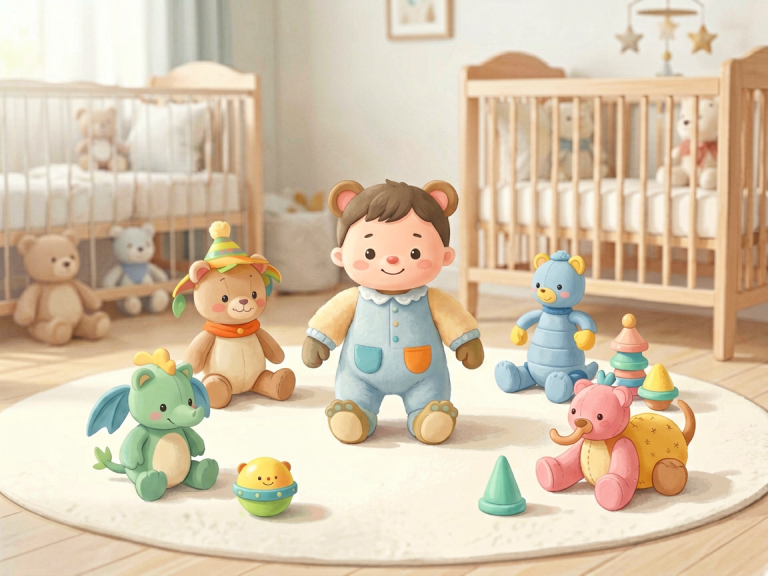
The first and most non-negotiable rule of toy selection is matching the toy to the child’s age. Toy manufacturers follow strict guidelines, and the age labels printed on boxes are not arbitrary marketing suggestions—they reflect safety standards and developmental readiness. For infants under one year, toys must be free of small parts that could pose a choking hazard, and they should be made from non-toxic materials since babies explore everything with their mouths. Soft fabric blocks, rattles, and teething rings are excellent choices. As children grow into toddlers (ages 1–3), their fine and gross motor skills develop rapidly. They enjoy stacking cups, push-and-pull toys, and simple puzzles with large pieces. For preschoolers (ages 3–5), imagination blossoms, so dress-up sets, building blocks, and basic board games become appropriate. School-age children (6–12) benefit from more complex construction kits, science experiments, strategy games, and craft supplies. Ignoring these age ranges can lead to frustration: a toy that is too advanced may bore or overwhelm a child, while one that is too simple fails to stimulate growth. Worse, a toy meant for older children may contain small magnets or batteries that are hazardous for younger siblings. Always check the recommended age range, and also consider the child’s individual maturity level—some four-year-olds are ready for more challenging puzzles than their peers.
2. Safety First: Materials, Choking Hazards, and Certifications
Beyond age labels, you must scrutinize the physical safety of any birthday toy. Look for products that meet international safety standards such as ASTM (American Society for Testing and Materials) or CE (Conformité Européenne) marks. These certifications indicate that the toy has been tested for sharp edges, toxic chemicals, and mechanical hazards. Pay close attention to materials: avoid toys painted with lead-based paint, plastics containing BPA or phthalates, and fabrics treated with flame retardants that can be harmful. For children under three, avoid anything with small detachable parts—buttons, beads, or squeakers that could be swallowed. Also beware of toys with long strings or cords (longer than 12 inches) that pose strangulation risks. Battery compartments should be secured with screws, not easily opened by little fingers. Even seemingly harmless items like balloons can be dangerous if a child inhales a broken piece. If you are buying second-hand toys, inspect them thoroughly for cracks, rust, or loose components. Remember that a toy’s appearance does not guarantee its safety; a beautifully painted wooden train may still have lead in its paint if it was made in a country with lax regulations. When in doubt, choose reputable brands that prioritize child safety and transparently list their materials.
3. Understanding the Child’s Interests and Developmental Stage
A toy that perfectly matches a child’s age but ignores their unique passions will likely end up collecting dust. Before you pick a birthday toy, observe the child in their natural habitat. Do they spend hours drawing and coloring? Then a high-quality art set with watercolor paints, pastels, and sketchbooks might inspire them. Are they fascinated by dinosaurs or space? A dinosaur excavation kit or a model solar system could feed that curiosity. Do they prefer active, physical play? Outdoor toys like a soccer ball, a jump rope, or a beginner’s scooter can encourage healthy exercise. Equally important is understanding the child’s developmental stage beyond just age. A six-year-old who struggles with fine motor skills might benefit from large LEGO Duplo rather than tiny bricks. A socially anxious child might appreciate a board game designed for two players, which allows for low-pressure interaction with a parent or friend. Some children are naturally drawn to solitary, focused play, while others thrive on group activities. Tailoring the toy to the child’s temperament shows that you see and respect who they are. Avoid imposing your own preferences or nostalgic memories—just because you loved a certain toy as a child does not mean the birthday child will feel the same way. Instead, ask the parents for hints, or watch the child play during a previous visit. The best gift feels personal, not generic.
4. Educational Value vs. Pure Fun: Striking the Balance
There is an ongoing debate among parents and educators about whether toys should be “educational” or simply “fun.” The truth is that the most valuable toys are both. Children learn best through play, and any toy can have educational potential depending on how it is used. However, you should avoid toys that are marketed as “teaching tools” but are actually boring, like flashcards or repetitive electronic gadgets that drill facts. Real educational value comes from open-ended toys that encourage problem-solving, creativity, and critical thinking. Building blocks, magnetic tiles, puzzles, and construction sets teach spatial reasoning and physics concepts. Art supplies develop fine motor control and self-expression. Board games teach turn-taking, strategy, and math skills. Science kits (e.g., growing crystals, building circuits) introduce the scientific method in a hands-on way. At the same time, don’t underestimate the value of pure, unstructured fun. A simple doll or action figure can fuel hours of imaginative storytelling, which builds language and social-emotional skills. The key is to choose toys that engage the child’s mind rather than passively entertain them. Avoid toys that do all the work, such as electronic devices that sing, dance, and light up with a single button press—they often lead to short attention spans and less creative play. Instead, opt for toys that require the child to be an active participant, whether it’s building, creating, or pretending.
5. Durability and Longevity: Toys That Last Beyond the Birthday
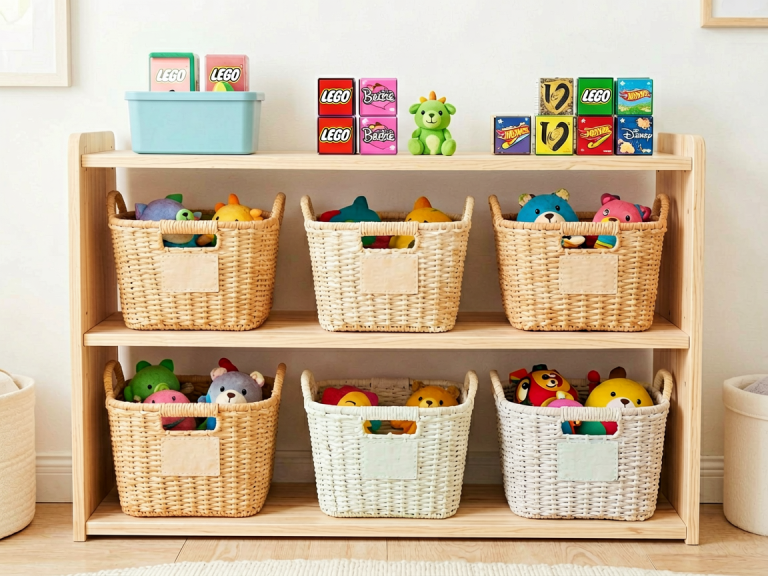
A birthday toy that breaks within a week is not just a waste of money—it can also disappoint the child and create frustration. Before purchasing, assess the build quality. Does the construction feel solid? Are moving parts smooth and likely to withstand energetic play? Plastic toys with thin walls or flimsy hinges are prone to cracking. Wooden toys, though sometimes more expensive, are remarkably durable and can be passed down to younger siblings or friends. Metal parts should be free of rust and sharp edges. Also consider the toy’s potential for longevity in terms of reusability. LEGO bricks, for example, can be used for years as building projects become increasingly complex. A high-quality dollhouse or train set can be added to over multiple birthdays. Board games with sturdy cards and boards will survive countless game nights. Conversely, trendy toys tied to a specific movie or TV show may lose appeal once the hype fades. Think about whether the toy can grow with the child—can it be used in different ways as they develop? A simple set of wooden blocks is timeless because it can be stacked, sorted, knocked down, and later used as props in more elaborate play. A battery-operated toy with flashing lights may entertain for a few days, but once the batteries die or the novelty wears off, it often becomes landfill. Choosing durable, adaptable toys is also an environmentally responsible decision, reducing waste and the need for constant replacements.
6. Budget, Minimalism, and Environmental Considerations
Birthday toy shopping often triggers the urge to buy something lavish, but a high price tag does not guarantee a better play experience. Many of the most cherished toys are simple, affordable items like a jump rope, a pack of modeling clay, or a deck of cards. Set a realistic budget that reflects your relationship with the child and the expectations of the family. However, budget does not mean buying the cheapest—invest in quality that will last, which often costs more upfront but saves money over time. Another important aspect is the growing movement toward minimalist and eco-friendly gift-giving. Children are often overwhelmed by an excess of toys; research shows that having fewer, higher-quality toys can actually improve focus and creativity. Consider giving an experience-based gift instead of a physical object—tickets to a children’s museum, a membership to a zoo, or a subscription to a craft kit service. If you do choose a physical toy, look for options made from sustainable materials like bamboo, organic cotton, or recycled plastic. Avoid excessive packaging that will be thrown away immediately. Support brands that use non-toxic dyes and have ethical manufacturing practices. You can also buy second-hand high-quality toys from thrift stores or online marketplaces—they are often in excellent condition and cost a fraction of the retail price. This reduces environmental impact and teaches children the value of reuse. Remember that the best gift is not the most expensive one, but the one that brings joy and meaning without contributing to clutter or waste.
7. Social and Emotional Aspects: Toys That Foster Connection
Play is not just an individual activity; it is a vital way for children to build relationships and understand emotions. When selecting a birthday toy, consider how it might encourage social interaction. Cooperative board games, where players work together toward a common goal rather than competing, can teach teamwork and empathy. Role-play toys like kitchen sets, doctor kits, or puppet theaters allow children to act out scenarios and practice communication skills. Card games and matching games can be played with siblings, friends, or parents, strengthening bonds and creating shared laughter. On the other hand, be cautious with toys that promote solitary, screen-heavy behavior. A new tablet or video game may be what the child begs for, but excessive screen time can hinder social development and reduce opportunities for real-world interaction. If you do choose a tech toy, look for ones that require physical movement or collaborative play, such as dance mats or interactive robotics kits that siblings can program together. Also, think about the emotional message the toy sends. Dolls and action figures with diverse representations of race, ability, and gender can help children develop inclusivity and self-acceptance. Avoid toys that reinforce gender stereotypes unless you are certain the child genuinely prefers them. A toy that validates a child’s emotions—like a feelings chart or a stuffed animal that can be used to express feelings—can be particularly powerful for young children navigating big emotions. Ultimately, the best toys don’t isolate; they connect.
Conclusion
Selecting a birthday toy is an act of love and attention. It requires you to step into the child’s world—to understand their age, safety needs, personality, development, and environment. By considering factors such as age appropriateness, safety, individual interests, educational balance, durability, budget, sustainability, and social-emotional impact, you can choose a gift that goes beyond a fleeting moment of excitement. The right toy becomes a catalyst for learning, a companion in imaginative adventures, and a source of joy that lasts far beyond the birthday celebration. So next time you find yourself standing in a toy aisle overwhelmed by flashing lights and endless options, pause and remember: the best toy is the one that respects the child as a whole person—curious, growing, and wonderfully unique.