Less Is More: A Parent’s Guide to Choosing Fewer Toys for Happier, More Creative Kids
In the modern world of parenting, the pressure to accumulate toys is immense. Advertisements, peer comparisons, and even well-meaning relatives flood our homes with plastic, noise, and clutter. Yet a growing body of research and practical experience suggests that fewer toys can actually lead to richer play, deeper concentration, and stronger family bonds. This article offers evidence-based, actionable tips for parents who want to curate a toy collection that serves children’s development rather than overwhelming it. From understanding the science behind minimalism to practical strategies for selection and rotation, these guidelines will help you embrace the philosophy of “less is more” with confidence.
Why Fewer Toys? The Case for Minimalism in Childhood Play
The first step for any parent is to understand why a pared-down toy collection benefits children. Multiple studies have shown that when toddlers are presented with fewer toys at once, they engage in longer, more focused, and more creative play sessions. A classic 2017 study by researchers at the University of Toledo observed that toddlers with only four toys played with each toy for nearly twice as long, and their play was more varied and imaginative, compared to those with sixteen toys. The reason is simple: the human brain, especially a developing one, struggles with excessive choice. When faced with a mountain of options, a child flits from one toy to another, never fully immersing in any single activity. This shallow engagement hinders the development of sustained attention, problem-solving, and imaginative thinking.
Moreover, fewer toys reduce the physical and mental clutter that can overwhelm both children and parents. A tidy, organized play space invites calm and exploration, while a chaotic one often leads to frustration and tantrums. By consciously choosing fewer toys, you also model intentional consumption—teaching your child that happiness does not come from acquiring more things, but from deep engagement with what you have.
Tips for Curating a Minimalist Toy Collection
Now that the “why” is clear, here are practical tips to help you choose fewer—and better—toys for your child.
1. Quality Over Quantity: Invest in Durable, Versatile Toys
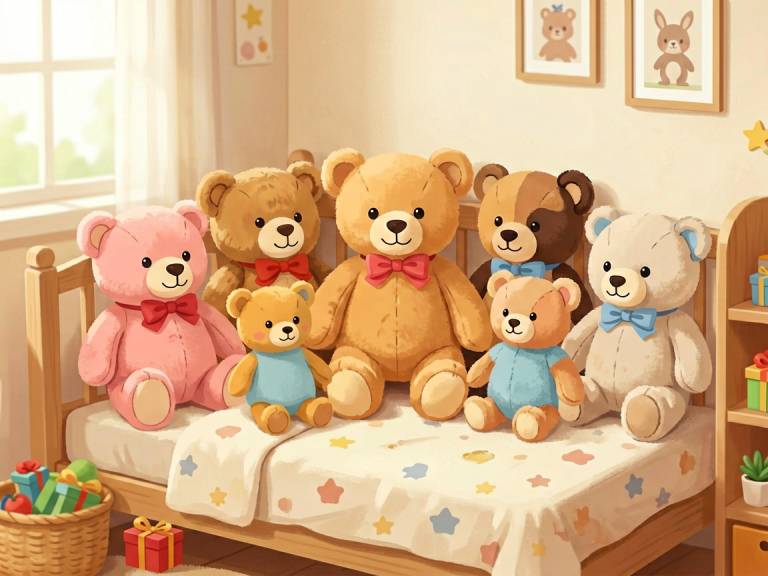
Instead of buying many cheap, single-purpose toys, invest in a smaller number of high-quality, durable items that can be used in multiple ways. For example, a set of wooden blocks can become a castle, a road, a tower, or even a pretend telephone. A simple doll or stuffed animal can be a friend, a patient, a student, or a companion on adventures. Look for toys made from natural materials like wood, cotton, or metal—they last longer, feel better in little hands, and often inspire more open-ended play. Avoid electronic toys that dictate how to play; they tend to limit creativity and quickly become boring.
2. Prioritize Open-Ended Play Materials
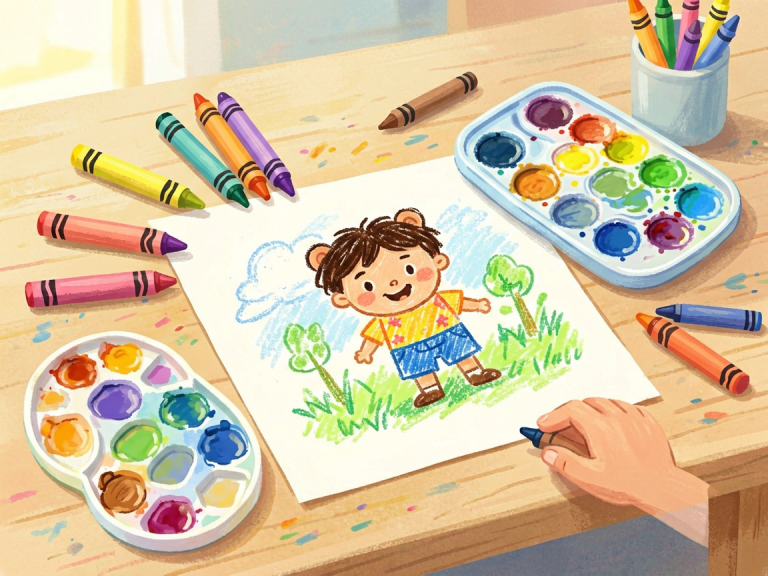
The best toys are those that do not prescribe a single outcome. Open-ended toys—such as building blocks, art supplies, playdough, sand, water, and dress-up clothes—allow children to create, experiment, and invent. A single set of magnetic tiles can be used for building, geometry, pretend cooking, or even storytelling. When you choose fewer toys, make sure the majority are open-ended. These items grow with the child and can be used for years, offering far more long-term value than a toy that only does one thing.
3. Apply the “One In, One Out” Rule
A straightforward way to keep the toy collection manageable is to enforce a “one in, one out” rule. Whenever a new toy enters the home—whether from a birthday, holiday, or a spontaneous purchase—an old toy must leave. This does not mean throwing away cherished items; you can donate, sell, or store them in a rotation bin. This rule teaches children that quantity matters and that every item should earn its place. It also prevents the accumulation that leads to overwhelm. Involve your child in the process: let them choose which toy to pass on to another child who might enjoy it.
4. Rotate Toys to Keep Novelty Alive Without Adding Clutter
One of the most effective strategies for maintaining a minimalist toy environment while still offering variety is toy rotation. Keep only a small selection of toys visible and accessible at any time—perhaps 10 to 15 items for a preschooler. Store the rest in a closet or basement. Every two to four weeks, swap out the current set with a fresh one from the storage bin. The “new” old toys feel exciting and novel, and the child re-engages with deep focus. This method also helps you observe which toys are truly loved and which can be permanently donated. Rotating prevents boredom and eliminates the need to constantly buy new items.
5. Involve Your Child in the Choosing Process
Children are more likely to value and care for toys they have helped select. When shopping for a new toy, instead of surprising them, take a thoughtful approach. Sit down together and discuss what kind of play they are most interested in at the moment. Then limit the choice to two or three options that meet your quality and open-ended criteria. Let your child test them in the store (if possible) and then make the final decision. This teaches decision-making and reduces the likelihood of impulse purchases that collect dust. Similarly, when decluttering, ask your child which toys they no longer play with. Frame it positively: “Let’s find toys that are ready to bring joy to another child.”
6. Embrace the Gift of Experience Over Objects
Many parents find that reducing toy clutter is easier when they shift the focus from material gifts to experiences. Instead of buying another action figure or plastic kitchen set, consider giving your child a membership to a children’s museum, tickets to a puppet show, or a nature exploration kit (which often contains only a few open-ended items like a magnifying glass, a journal, and a small container for treasures). Experiences build memories, encourage active participation, and do not add to the home’s physical clutter. They also teach children that joy comes from doing, not from owning.
7. Resist Trends and Marketing Hype
The toy industry spends billions convincing parents that the latest gadget is essential for their child’s development. In reality, most trends are short-lived and designed to create a sense of urgency. Before buying a toy, ask yourself: Will this still be interesting in three months? Does it add unique value to my child’s play? Can it be replaced by something we already have? Often, a cardboard box and a scarf are more engaging than a battery-operated singing robot. Learn to say no to flashy advertisements and peer pressure. Your child’s creativity will thrive when not constrained by prefabricated narratives.
Conclusion: A Gift of Space and Attention
Choosing fewer toys is not about deprivation; it is about liberation. By curating a small, intentional collection of high-quality, open-ended items, you give your child the gift of focused play, the space to imagine, and the time to connect deeply. You also lighten the mental load for yourself—less cleanup, less nagging, less financial waste. As you implement these tips, remember that the goal is not perfection but progression. Start with one small change, such as a rotation system or a “one in, one out” rule, and observe how your child’s play evolves. The result is a calmer home, a happier child, and a parent who feels empowered rather than overwhelmed. Less truly is more—and your child’s imagination will prove it.