Beyond the Hype: The Hidden Perils of Buying Toys Only for Trends
In an era dominated by social media, viral unboxing videos, and relentless marketing campaigns, the toy industry has become a playground for fleeting trends. From the dizzying craze of fidget spinners to the collectible frenzy of Squishmallows and the surprise-laden allure of LOL Surprise dolls, children and parents alike are increasingly drawn to what is popular *right now*. While the excitement of a new trend can be exhilarating, purchasing toys solely based on their momentary popularity carries significant—and often overlooked—consequences. This article explores the multifaceted problems with buying toys only for trends, delving into environmental, psychological, economic, and developmental ramifications that demand a more thoughtful approach to play.
The Environmental Toll of Disposable Toy Culture
One of the most alarming consequences of trend-driven toy buying is the staggering environmental damage it inflicts. Trend toys are typically manufactured in massive quantities, often using cheap, non-biodegradable plastics, and are designed to be ephemeral. Once a trend fades—which can happen in a matter of weeks or months—these toys are discarded in droves. According to environmental reports, millions of tons of plastic toy waste end up in landfills every year, where they take centuries to decompose. The production process itself is resource-intensive, consuming fossil fuels and water while emitting greenhouse gases.
Moreover, many trend toys come with excessive packaging, including plastic clamshells, cardboard inserts, and layers of shrink wrap, all of which contribute to the global waste crisis. The cult of the “unboxing” phenomenon exacerbates this, as manufacturers add extra layers of packaging to create a dramatic reveal, adding to the refuse. Even when toys are made from recyclable materials, the lack of widespread recycling infrastructure for small plastic items means that most end up in incinerators or oceans. Buying for trends institutionalizes a linear “take-make-dispose” model, undermining sustainability efforts. When a child’s playroom becomes a graveyard of last year’s obsessions, the environmental cost is not just abstract—it is tangible, piling up in municipal dumps and harming wildlife.
The Psychological Impact on Children: Materialism and Anxiety
Beyond the environmental footprint, trend-based toy consumption profoundly affects children’s psychological development. When children are conditioned to equate happiness with acquiring the newest “must-have” toy, they risk internalizing materialistic values. Studies in developmental psychology suggest that children who are heavily exposed to advertising and peer pressure to own trendy items tend to place higher importance on possessions and social status rather than on relationships, creativity, or intrinsic satisfaction. This can lead to a chronic sense of dissatisfaction, as the joy of acquisition fades quickly, and the next trend inevitably emerges.
Trend buying also fosters social anxiety and exclusion. Schools and playgrounds can become breeding grounds for “toy envy,” where children who do not own the latest fad may feel left out or inferior. Parents may feel pressured to purchase these items to spare their children from social ostracism, creating a cycle of consumption driven by fear rather than genuine need. Furthermore, when a toy’s appeal is tied solely to its novelty, children lose the opportunity to develop deep emotional connections with their playthings. A well-loved teddy bear that has been cherished for years teaches empathy and comfort; a plastic gadget that is replaced every season teaches disposability and restlessness. The long-term psychological cost of teaching children that value is temporary and external is a diminished capacity for gratitude, patience, and meaningful attachment.
The Economic Pitfalls for Families and the Waste of Resources
For families, buying toys only for trends is an economic trap. Trend items are often priced at a premium during the peak of their popularity, only to be deeply discounted or abandoned shortly afterward. Parents may spend hundreds of dollars on collectible sets, rare editions, or limited drops, believing they are making an investment in their child’s happiness. Yet the reality is that most trend toys have zero resale value and quickly become clutter. The financial strain can be significant, especially for families on tight budgets, who may feel compelled to keep up with the Joneses to prevent their child from feeling left behind.
Additionally, the pure volume of trend toys often leads to wasted money on items that barely get played with. A 2023 survey found that the average household with young children spends over $600 per year on toys, with a substantial portion going to trend-driven purchases that are discarded within six months. This is not just a waste of money, but a waste of the resources that went into producing, packaging, and transporting these items. The “buy now, regret later” mentality is reinforced by fast marketing cycles, and many parents later lament the space taken up by forgotten fads. In contrast, investing in timeless, high-quality toys that support open-ended play—such as building blocks, art supplies, or simple dolls—offers far better value for money and longevity.
The Erosion of Creativity and Play Value
Trend toys often prioritize replicating a popular media franchise or a gimmicky function over encouraging imaginative, open-ended play. Consider the rise of “surprise” toys, which emphasize the thrill of unwrapping a secret item rather than the joy of using it. Once the initial surprise is gone, the toy itself may hold little appeal. Similarly, many electronic trend toys are designed with pre-programmed sounds, lights, and limited interactions that dictate how a child should play, stifling creativity. When a child is given a toy that does everything for them, the opportunity to invent narratives, solve problems, or use the toy in unexpected ways is drastically reduced.
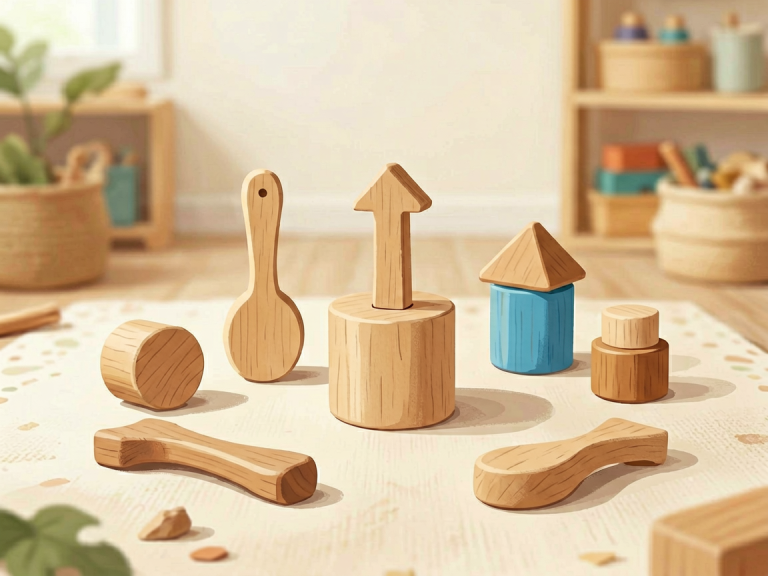
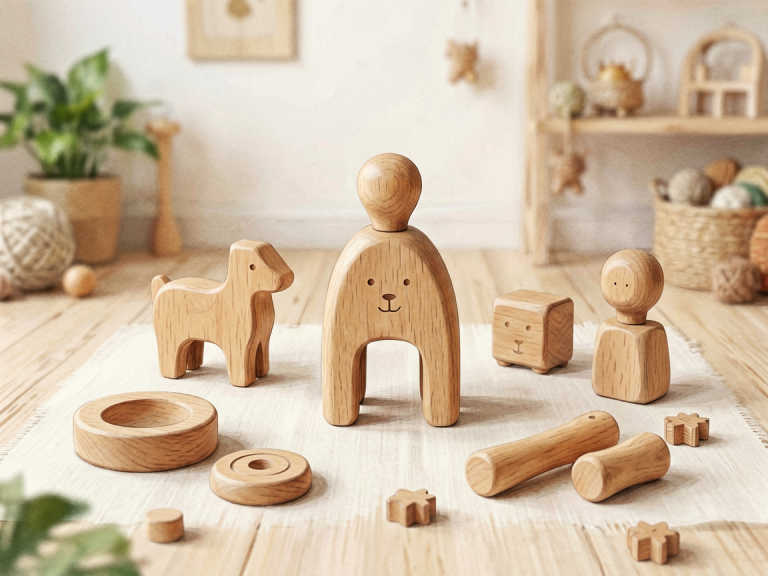
In contrast, classic toys like wooden blocks, crayons, or simple action figures allow children to project their own stories onto the objects, fostering divergent thinking and cognitive flexibility. Trend toys, by their nature, are often tied to a specific show, movie, or social media challenge, which limits the scope of play to recreating scenes or following prescribed scripts. This can hamper a child’s ability to generate original ideas and engage in “flow” states that are critical for deep learning. Over time, a steady diet of trend-driven toys may produce children who are passive consumers rather than active creators, a shift that has long-term implications for problem-solving skills and innovation.
Safety and Quality Concerns in the Race to Market
The rapid lifecycle of trend toys often compromises safety and quality standards. When a trend explodes overnight, manufacturers race to produce massive quantities at the lowest possible cost, sometimes bypassing rigorous testing or using inferior materials. There have been numerous recalls of trend toys due to choking hazards, toxic chemicals (such as lead or phthalates), or sharp edges. The infamous “fidget spinner” craze saw multiple reports of batteries overheating or parts breaking off, while the surge in collectible slime products exposed children to borax and other irritants. Even when products meet basic safety standards, the frantic pace of production can lead to inconsistent quality—flimsy parts that snap, paint that chips easily, or small magnets that can be swallowed.
Furthermore, trend toys are often poorly designed for the way children actually play. A doll that is meant to be exclusively displayed, with tiny accessories that are easily lost, may frustrate younger children. A plastic gun that comes with foam darts quickly breaks after a few shots. Parents who buy these items for the “cool factor” may find themselves dealing with disappointment, waste, and even injury. Prioritizing trend over durability means that children are more likely to be exposed to substandard products that may not stand up to rough play. A safer, more responsible approach involves seeking toys that are certified by recognized safety organizations, made from non-toxic materials, and built to last.
Conclusion: Rethinking Our Relationship with Play
The problems with buying toys only for trends are deep and interconnected, touching on environmental sustainability, child development, family finances, and public safety. While there is nothing inherently wrong with enjoying a popular toy, the culture of compulsive consumption driven by short-lived fads exacts a heavy toll. As parents, educators, and consumers, we must shift our perspective from “What is trending?” to “What will truly enrich a child’s life?” This means choosing toys that foster creativity, encourage social interaction, and can be passed down or repurposed. It also means teaching children that happiness does not come from having the latest and greatest—but from the relationships, experiences, and imaginative worlds they build with what they already have.
Ultimately, buying for trends is a losing game for everyone: the planet, the child, and the family budget. By embracing mindful toy choices, we can break the cycle of disposability and help raise a generation that values meaning over hype. Let us remember that the best toy is not the one everyone else has, but the one that inspires a thousand stories, a hundred hours of exploration, and a lifetime of cherished memories. Only by resisting the siren call of trends can we reclaim the true spirit of play.