Are Wooden Toys Worth It? A Comprehensive Analysis
In an age dominated by plastic, flashy electronics, and relentless consumerism, the humble wooden toy has made a quiet but powerful comeback. Parents, educators, and environmental advocates increasingly champion wooden toys as a superior alternative to their plastic counterparts. Yet, with higher upfront costs and a seemingly limited set of features, the question lingers: are wooden toys truly worth the investment? This article delves into the multifaceted dimensions of this debate, examining environmental impact, developmental benefits, durability, cost-effectiveness, and aesthetic value. By the end, you will have a clear framework to decide whether wooden toys deserve a place in your home or classroom.
The Environmental Argument: Sustainability and Long-Term Impact
One of the most compelling reasons to choose wooden toys is their environmental footprint. Most wooden toys are made from sustainably sourced wood, such as beech, maple, or rubberwood, which is a byproduct of latex production. Unlike plastic, which is derived from fossil fuels and can take hundreds of years to decompose, wood is biodegradable and renewable. High-quality wooden toys often use non-toxic paints, water-based dyes, and natural finishes, making them safer for children and the planet.
However, the environmental equation is not entirely one-sided. The production of wooden toys requires energy for harvesting, transportation, and manufacturing, and some cheaper wooden toys may be sourced from unsustainable logging practices or treated with harmful chemicals. To assess whether a wooden toy is truly “green,” consumers must look for certifications like FSC (Forest Stewardship Council) or PEFC (Programme for the Endorsement of Forest Certification). Furthermore, the carbon footprint of shipping heavy wooden blocks across the globe can be significant. Nonetheless, when purchased responsibly and used for multiple children or generations, wooden toys often have a lower overall environmental impact than plastic toys that end up in landfills after a short lifespan.
Developmental Benefits: Why Wooden Toys Nurture Young Minds
From a pedagogical perspective, wooden toys offer unique developmental advantages. They are typically open-ended, meaning they do not dictate a single way to play. A set of wooden blocks can become a castle, a bridge, a spaceship, or a counting tool, fostering creativity, problem-solving, and spatial reasoning. Unlike electronic toys that flash lights and play sounds, wooden toys require children to engage their imagination and motor skills actively.
Research in early childhood development suggests that simple, tactile toys promote longer attention spans and deeper cognitive engagement. The weight, texture, and natural warmth of wood provide rich sensory feedback that plastic cannot replicate. When a child stacks wooden rings or fits a wooden puzzle, they experience cause and effect, fine motor control, and concentration. Moreover, wooden toys are often quieter, reducing overstimulation and allowing for calmer play environments. For toddlers and infants, the lack of small parts and sharp edges (in well-made designs) also enhances safety.
It is important to note that not all wooden toys are created equal. Some cheaply made versions may have rough edges, splinters, or toxic paints. But premium wooden toys, crafted with rounded corners and smooth finishes, can become cherished heirlooms that support development across multiple stages.
Durability and Longevity: A One-Time Purchase or a Lifetime Investment
Perhaps the most straightforward argument for wooden toys is their durability. A well-constructed wooden train set or a set of building blocks can survive decades of rough play, spills, and even being chewed on by teething toddlers. Plastic toys, by contrast, often crack, fade, or break within a year. Batteries corrode, electronic components fail, and flimsy hinges snap. Wooden toys, if properly cared for (e.g., wiped clean with a damp cloth and occasionally oiled), can be passed down from sibling to sibling, friend to friend, or even to the next generation.
This longevity directly impacts the “worth it” calculation. Consider a wooden puzzle that costs $30 versus a plastic light-up toy that costs $20. The plastic toy may entertain a child for a few months before it breaks or loses appeal, while the wooden puzzle can be used by multiple children for years. On a cost-per-use basis, the wooden toy often wins. Additionally, wooden toys tend to have higher resale value; a classic brand like Grimm’s or Melissa & Doug can fetch 50–70% of the original price on secondhand markets. For families on a budget, buying used wooden toys is an excellent way to access quality without the premium price.
Cost Considerations: Are Wooden Toys Too Expensive?
There is no denying that high-quality wooden toys carry a higher initial price tag. A single handcrafted wooden car might cost $25, while a pack of plastic cars costs $10. This sticker shock can discourage budget-conscious parents. However, the true cost of a toy must consider its lifespan, educational value, and replacement frequency. As mentioned, wooden toys often outperform plastic in durability. But there is also a hidden cost: the clutter and waste associated with cheap plastic toys that are quickly outgrown or broken.
Another factor is the economy of scale. Many wooden toy brands are small businesses or artisans who produce in limited quantities, using premium materials and ethical labor. This drives up the price but also ensures quality and fair wages. Consumers who prioritize sustainability and child development may find the investment worthwhile. For those with limited budgets, a curated selection of a few high-quality wooden toys (e.g., stacking blocks, a shape sorter, and a wooden dollhouse) can provide more value than a closet full of plastic junk.
It is also worth noting that wooden toys are not monolithic: there is a wide price range. IKEA, for example, offers affordable wooden toys that are surprisingly durable and meet safety standards. On the other end, brands like Lovevery or PlanToys offer heirloom-quality pieces at a premium. The key is to research materials, manufacturing processes, and customer reviews before purchasing.
Aesthetic and Sensory Appeal: The Joy of Natural Materials
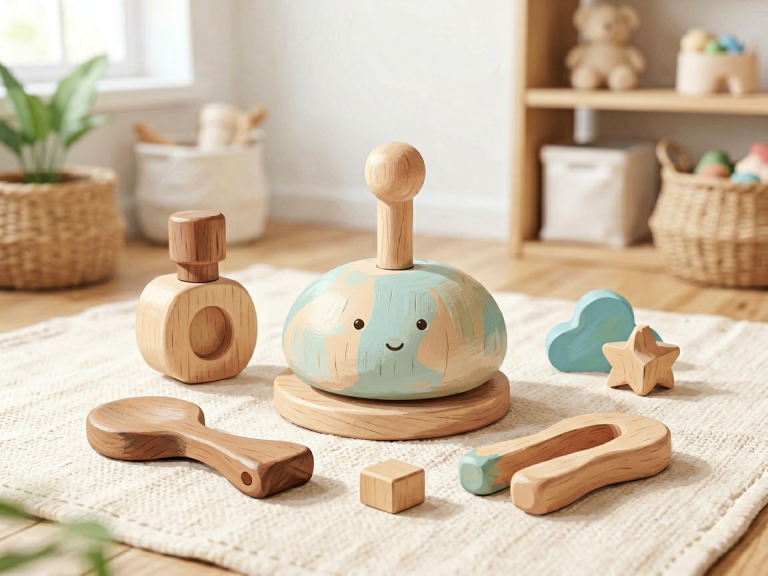
Beyond practicality, wooden toys possess an intrinsic beauty that plastic struggles to match. The grain of the wood, the warmth of natural tones, and the subtle variations in color create a visually soothing play environment. Many parents report that wooden toys blend seamlessly into home decor, reducing visual chaos. Children, too, are drawn to the texture and weight of wood; they often prefer holding a smooth wooden block over a slick plastic one.
This aesthetic appeal also fosters a sense of care and respect for objects. When a toy is beautiful and well-made, children are more likely to treat it gently, learning the value of stewardship. In contrast, cheap plastic toys are often perceived as disposable, reinforcing a throwaway culture. For families aiming to raise environmentally conscious and appreciative children, wooden toys serve as an everyday reminder of craftsmanship and nature.
Potential Drawbacks and Practical Limitations
No product is perfect, and wooden toys have their downsides. They can be heavy, making them less portable for travel. Some wooden toys, especially those with intricate moving parts, may require occasional maintenance (e.g., tightening screws or waxing). Exposure to moisture can cause warping or mold, so care is needed. Additionally, for children who are heavy biters, wooden teethers may be too hard and could damage teeth or cause splinters if not sufficiently smooth.
Another limitation is the lack of digital interactivity. While this is often a benefit for development, some parents worry that children may miss out on technological skills if they only play with wooden toys. However, balance is key; wooden toys can coexist with age-appropriate screen time and digital learning tools. The concern is more about over-reliance on passive electronic entertainment than about excluding technology entirely.
Conclusion: The Verdict on Wooden Toys
So, are wooden toys worth it? The answer depends on your values, budget, and parenting philosophy. For environmentally conscious families who prioritize sustainability, durability, and open-ended play, wooden toys are an excellent investment. They may cost more upfront, but their longevity, developmental benefits, and lower long-term environmental impact often justify the price. For those on a strict budget, a strategic selection of a few core wooden toys, combined with secondhand purchases, can deliver significant value.
However, not all wooden toys are created equal. Cheap, poorly finished wooden toys can splinter, warp, or contain toxic paints, defeating their purpose. The key is to research brands, look for certifications, and choose classic designs that encourage imaginative play. In the end, the worth of a wooden toy is not measured in dollars alone but in the hours of creative engagement, the reduction of plastic waste, and the timeless joy they bring to a child’s life.
As the saying goes, “We don’t inherit the earth from our ancestors; we borrow it from our children.” Wooden toys, when chosen wisely, are a small but meaningful step toward a more sustainable and thoughtful way of raising the next generation.