Unlocking Imagination: 7 Critical Mistakes to Avoid When Selecting Open-Ended Toys
Introduction
Open-ended toys—those simple, versatile playthings like wooden blocks, magnetic tiles, art supplies, and loose parts—have gained immense popularity among parents and educators who understand the profound value of unstructured play. Unlike electronic gadgets or single-purpose toys that dictate a specific outcome, open-ended toys empower children to create, experiment, and learn at their own pace. They nurture creativity, problem-solving skills, emotional regulation, and social collaboration. However, choosing the right open-ended toys is not as straightforward as it seems. Many well-intentioned adults fall into common traps that undermine the very benefits these toys are supposed to provide. Whether you are a parent, a teacher, or a caregiver, understanding these mistakes can save you money, frustration, and—most importantly—help preserve your child’s natural love for exploration. In this article, we will explore seven critical mistakes to avoid when selecting open-ended toys, each illustrated with practical examples and research-backed insights. By the end, you will be equipped to make informed choices that truly support your child’s holistic development.
Mistake #1: Ignoring the Child’s Developmental Stage
One of the most frequent errors is selecting open-ended toys without considering the child’s age, cognitive abilities, and physical skills. While open-ended toys are inherently adaptable, not all of them are suitable for every developmental phase. For instance, a set of tiny, intricate wooden blocks might be perfect for a five-year-old who can manipulate small objects with precision, but it could pose a choking hazard for a toddler under three. Similarly, a complex marble run requires advanced spatial reasoning and fine motor control that a preschooler may not yet possess. When a toy is too advanced, the child becomes frustrated and loses interest, defeating the purpose of open-ended play. Conversely, if the toy is too simple, it fails to challenge and engage, leading to boredom.
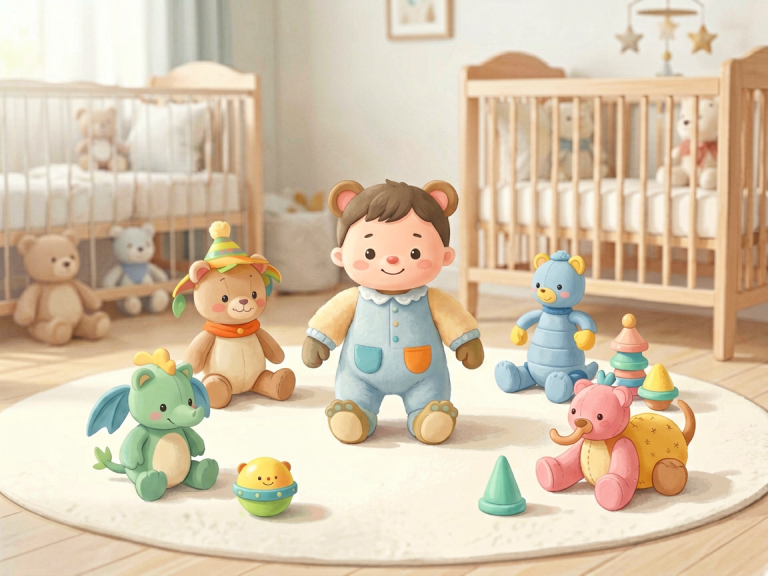
To avoid this mistake, consider the concept of “scaffolding”—choosing toys that align with the child’s current abilities while offering room for growth. For infants and young toddlers, focus on sensory-rich items like soft fabric balls, silicone teethers, or large stacking rings. For preschoolers (ages 3–5), invest in chunky wooden blocks, large connecting cubes, or simple art supplies like washable markers and play dough. For school-age children, more complex open-ended sets such as modular building kits, sewing kits, or chemistry-free science exploration tools become appropriate. Always read age recommendations and observe your child’s play patterns before purchasing. Remember, the best open-ended toy is one that sits at the sweet spot between familiarity and challenge.
Mistake #2: Prioritizing Educational Value Over Pure Fun
In today’s performance-driven culture, many parents gravitate toward open-ended toys that promise overt educational outcomes—STEM skills, language development, or cognitive training. While it is natural to want the best for your child, overemphasizing the “learning” aspect can drain the joy out of play. Open-ended toys are powerful precisely because they allow learning to happen organically, not because they are explicitly designed to teach. When you choose a toy solely for its perceived academic benefits, you risk subconsciously pressuring your child to use it in a prescribed way, which stifles creativity and spontaneity.
For example, a set of colorful pattern blocks can be used to create geometric designs, but if you constantly ask your child to “make a triangle” or “count the sides,” the play becomes a chore. The child might resist or feel inadequate. Instead, let the child explore freely. A toddler might simply enjoy stacking the blocks and knocking them down—a process that teaches cause and effect, motor planning, and spatial awareness without any formal instruction. The key is to trust the process. Research shows that self-directed play enhances executive function skills more effectively than adult-led structured activities. So, resist the urge to turn every play session into a lesson. Choose toys that spark curiosity and allow the child to lead. The learning will follow naturally.
Mistake #3: Buying Too Many Toys at Once
It is tempting to fill a playroom with an abundance of open-ended options—a huge set of magnetic tiles, a rainbow of wooden blocks, dozens of art supplies, and countless loose parts. However, this abundance can backfire. When children are overwhelmed by too many choices, they often engage in superficial, scattered play rather than deep, sustained exploration. This phenomenon, known as “choice overload,” has been documented in child development studies. A child who dumps out every toy within minutes and moves on to the next is not building focus or narrative play skills. Moreover, clutter can be visually and mentally draining for both children and adults.
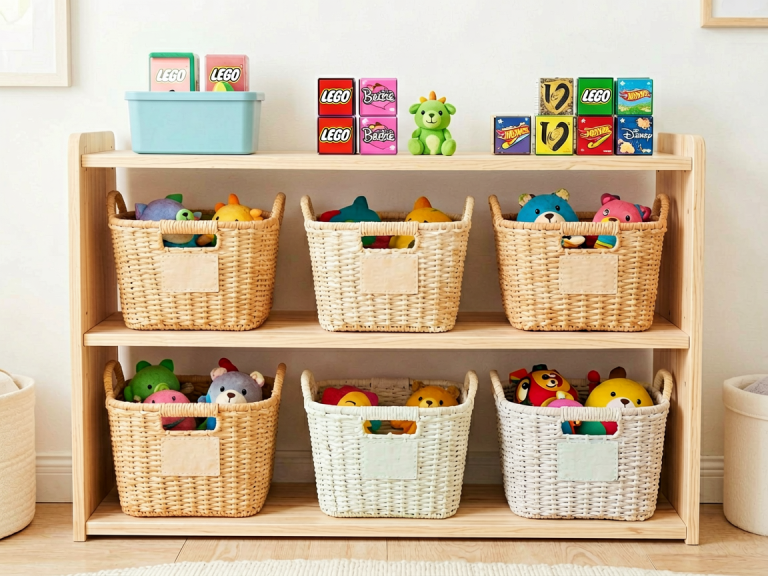
A better approach is to rotate toys. Start with a small, curated selection—perhaps three to five types of open-ended toys. Observe what your child gravitates toward. After a few weeks, rotate out some items and introduce new ones. This creates novelty without overload. For instance, you might keep a set of wooden blocks and Play-Doh available at all times, and then cycle in a sensory bin with rice and scoops, followed by a set of magnetic construction pieces. By limiting options, you encourage deeper engagement, longer play sessions, and more creative problem-solving. Remember, the goal is not to own every open-ended toy on the market but to cultivate a rich, evolving play environment that respects your child’s attention span.
Mistake #4: Overlooking Safety and Material Quality
While open-ended toys are often marketed as natural, safe, and eco-friendly, not all products live up to these claims. A critical mistake is assuming that any toy labeled “open-ended” is automatically free from hazards. In reality, some cheaply made wooden toys may have splinters, toxic paints, or sharp edges. Plastic toys might contain phthalates or BPA. Small components can dislodge and become choking risks. Additionally, soft materials like felt or fabric can harbor mold if not cleaned properly. For infants and toddlers who explore through mouthing, safety is non-negotiable.
To avoid this mistake, prioritize reputable brands that adhere to rigorous safety standards such as ASTM (American Society for Testing and Materials) or EN71 (European safety standards). Look for certifications like FSC for wood or non-toxic labels for paints. When possible, choose toys made from natural, unfinished wood or food-grade silicone. Avoid cheap dollar-store items that may contain lead or other contaminants. Also, inspect toys regularly for wear and tear—cracked plastic, loose screws, or peeling paint. By investing in high-quality, safe materials, you not only protect your child’s health but also support durability, which is essential for long-term open-ended use.
Mistake #5: Neglecting the Child’s Individual Interests and Temperament
Open-ended toys are not one-size-fits-all. It is a common error to assume that every child will love blocks, or that all children will engage with art supplies in the same way. In reality, children have distinct temperaments, learning styles, and interests. A highly active, sensory-seeking child might prefer large, heavy items to push and carry, or a sensory bin with kinetic sand and scoops. A more contemplative, detail-oriented child might enjoy arranging tiny loose parts like pebbles, buttons, or wooden beads. A child who loves storytelling might thrive with a simple set of plain wooden figures and fabric pieces for dramatic play.
If you choose toys that clash with your child’s natural inclinations, you may end up with expensive items that gather dust. The solution is to observe your child’s play patterns closely. What do they already gravitate toward during free play? Do they enjoy building, pretending, sorting, or moving? Involve your child in the selection process when appropriate. At a toy store, let them touch and explore items before deciding. For online purchases, read reviews from parents of similar-aged children. Remember that the best open-ended toy is one that aligns with your child’s current passions. If your child is obsessed with dinosaurs, consider adding a set of plain dinosaur figurines (which can be used in countless stories) rather than a generic block set.
Mistake #6: Focusing Only on Construction and Building Toys
When people hear “open-ended toys,” they often think exclusively of building sets—LEGO, Duplo, Magna-Tiles, wooden unit blocks. While these are excellent choices, an over-reliance on construction toys can limit the diversity of play experiences. Open-ended play encompasses much more: dramatic play, sensory exploration, art, music, movement, and language. A child who only has access to blocks may develop spatial skills but miss out on opportunities for emotional expression, narrative creation, or fine motor control through different media.
To avoid this mistake, curate a balanced selection of open-ended toy categories. Include dramatic play props like scarves, fabric pieces, simple wooden dolls, and animal figures that inspire storytelling. Add sensory materials such as sand, water, play dough, or molding clay. Incorporate art supplies like loose crayons, paper, stickers, and collage materials. Consider open-ended musical instruments like shakers, bells, or a simple xylophone. Even items from nature—pinecones, leaves, stones—can become powerful toys. By offering variety, you support whole-child development and allow the child to discover preferences across different domains.
Mistake #7: Interfering Too Much During Play
The final mistake is perhaps the most subtle yet damaging: the adult’s tendency to direct, correct, or over-praise during open-ended play. Even with the perfect toy selection, a child’s creative flow can be disrupted by constant adult intervention. For example, if a child builds a lopsided tower, a parent might say, “That’s going to fall—let me help you balance it,” or “Good job! Can you make it taller?” Such comments shift the focus from the child’s internal motivation to external validation. Similarly, asking too many questions—“What are you making? Why did you put that there?”—can interrupt the child’s private narrative.
The antidote is to embrace a “playful presence” that is attentive but not intrusive. Sit nearby, engage in your own quiet activity, and only join if the child invites you. When you do interact, use open-ended language: “I notice you’re stacking those in a pattern,” or “That sounds like an interesting story.” Resist the urge to label or judge. Remember, the primary purpose of open-ended play is for the child to enjoy autonomy and agency. Your role is to be a safe, supportive observer who trusts the process. Over time, you will witness incredible creativity, persistence, and joy—far beyond what any directed instruction could achieve.
Conclusion
Choosing open-ended toys is a rewarding journey that, when done thoughtfully, can profoundly enrich a child’s early years. By avoiding these seven common mistakes—overlooking developmental stages, prioritizing education over fun, buying too many items, ignoring safety, neglecting individual interests, focusing too narrowly on construction toys, and interfering excessively—you create an environment where your child can thrive through self-directed play. The most powerful gift you can give is not a specific toy, but the time, space, and trust for your child to explore freely. As you navigate the world of wooden blocks, magnetic tiles, and loose parts, remember that the true magic lies not in the object itself, but in the boundless imagination it unlocks.