The Power of Screen-Free Play: A Practical Guide for Modern Parents
Introduction
In an age where digital devices have become almost extensions of our hands, parenting often feels like a constant negotiation with screens. Tablets entertain toddlers during grocery runs, smartphones occupy children at restaurants, and educational apps are marketed as essential for cognitive development. Yet a growing body of research suggests that the most profound learning and development happen not through pixels and algorithms, but through the messy, unstructured, and wonderfully simple world of screen-free play. For parents who want to reclaim quality time, foster creativity, and strengthen family bonds, understanding how to intentionally incorporate screen-free play is not just a nice idea—it is a vital skill. This article explores the why and the how, offering concrete strategies for parents to use screen-free play as a powerful tool for raising resilient, imaginative, and connected children.
—
Why Screen-Free Play Matters More Than Ever
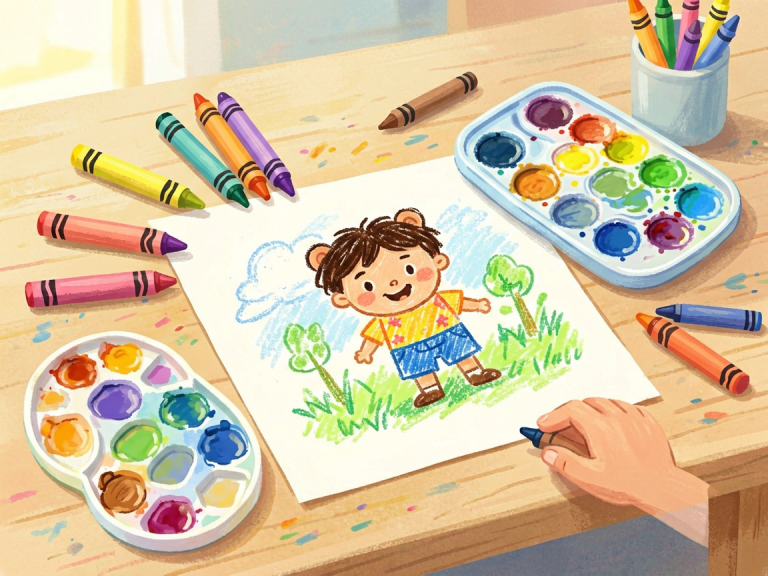
The case for screen-free play is not anti-technology; it is pro-development. When children engage in play without screens, they are forced to negotiate, imagine, and problem-solve using their own resources. Building a fort from couch cushions requires spatial reasoning, trial and error, and sometimes conflict resolution with siblings. Drawing a dragon with crayons demands fine motor control and emotional expression. Playing hide-and-seek strengthens social boundaries and empathy. Neuroscientific studies show that unstructured play activates multiple areas of the brain simultaneously, building neural pathways that support executive function, self-regulation, and creativity.
Moreover, screen-free play offers something that no app can: direct, real-time human connection. A parent sitting on the floor building blocks with a child is not just supervising; they are attuned to the child’s cues, celebrating small victories, and modeling patience. This co-regulation is the bedrock of secure attachment. For older children, board games or outdoor scavenger hunts provide low-stakes opportunities for learning to win and lose gracefully—skills that digital games often bypass with instant resets. In a world where screens increasingly mediate our relationships, screen-free play becomes a sanctuary for genuine interaction.
—
Creating an Inviting Screen-Free Environment at Home
Parents often assume that screen-free play requires elaborate toys or dedicated playrooms. In reality, the most effective environment supports open-ended play with simple, accessible materials. Start by evaluating your living space: do children have easy access to items that invite creativity? A low shelf with wooden blocks, art supplies, magnifying glasses, and dress-up clothes sends a message that exploration is welcome. Remove the barrier of “asking permission” by keeping these materials in reach.
Equally important is the strategic placement of screens. Designate specific zones for device use—perhaps a desk in the living room for homework or a charging station in the kitchen—but keep bedrooms and play areas screen-free. This physical separation helps children associate certain spaces with imagination rather than passive consumption. Consider a “device basket” where phones and tablets are placed during family time. Parents who model this behavior by putting away their own phones send a powerful nonverbal message: you are more interesting than any notification.
Rotating toys can also sustain engagement. Instead of overwhelming children with dozens of choices, keep a manageable selection and swap them every few weeks. A bin of LEGOs might become more exciting when combined with a set of fabric scraps and yarn. The goal is not minimalism but intentionality: every object should spark some form of creation or problem-solving.
—
Integrating Screen-Free Play into Daily Routines
Many parents worry that screen-free play requires hours of free time, which modern schedules rarely permit. The key is integration, not addition. Look for “micro-moments” throughout the day. While waiting for water to boil, invite your child to a quick game of “I Spy” or a thumb-wrestling match. During car rides (when you are parked, of course), play audio stories or engage in word games like “20 Questions.” These small pockets of unfilled time are often when screens creep in; by preempting them with playful interaction, you reclaim those minutes without extra effort.
Morning and bedtime routines offer natural opportunities. Instead of waking a child with a screen, try a gentle tickle game or a “silent dance” while getting dressed. At bedtime, replace a video with a flashlight story or a collaborative storytelling session where each person adds a sentence. Weekend mornings can become “no-screen until noon” traditions, with the first hours reserved for baking, building, or backyard adventures.
For families with children of different ages, screen-free play can be a bridge rather than a battleground. A toddler might enjoy pouring water between cups while an older sibling designs a “water wheel” system using PVC pipes. Parents can facilitate parallel play where each child follows their own interest side by side, requiring no screen to entertain the younger one while the older one works on a project. The parent’s role is not to entertain, but to scaffold—offering help when frustration rises and stepping back when flow takes over.
—
Types of Screen-Free Play: Ideas for Every Age
Infants and Toddlers (0–3 years)
For the youngest children, screen-free play is about sensory exploration and connection. Fill a shallow bin with cooked pasta, rice, or water for scooping and pouring. Use scarves for peek-a-boo or get down on the floor and mimic their sounds and movements. The parent’s face is the most captivating “screen” at this age—making exaggerated expressions, singing nursery rhymes, and playing gentle “give-and-take” games build foundational social skills. No expensive toys are needed; a cardboard box becomes a cave, a rattle, a drum.
Preschoolers (3–5 years)
Imaginative play explodes in this stage. Provide dress-up clothes, kitchen props, or a simple puppet theater made from a cardboard box. Set up “invitations to play”: arrange a few animal figurines with blocks and leaves, then step back and watch the stories unfold. Messy play like finger painting or play dough offers rich sensory input and can be done in a high chair or on a washable mat. Nature walks become treasure hunts—collect leaves, rocks, and sticks, then use them to create art or sort by color and size.
School-Age Children (6–12 years)
Older children benefit from more complex, rule-based play. Board games, card games, and strategy games like chess or checkers teach planning and patience. Building projects—LEGO sets, marble runs, or even simple woodworking with supervision—combine creativity with engineering. Outdoor play becomes crucial: tag, hide-and-seek, bicycles, and organized sports build gross motor skills and social cooperation. Encourage “maker” projects: design a cardboard castle, build a pillow fort with a flashlight “lantern,” or create a backyard obstacle course.
Teens (13+ years)
Teens may resist “play” that feels childish, but they crave connection. Frame screen-free activities as shared hobbies: cooking a complex meal together, hiking to a scenic spot, playing a musical instrument in a kitchen jam session, or building a model airplane. Puzzle-solving—jigsaw puzzles, escape room kits, or collaborative murder-mystery games—challenges their logic without feeling infantilizing. Even simple activities like card tricks or juggling can become a fun skill to master. The key is respecting their autonomy: invite, don’t force, and be present without judgment.
—
Overcoming Common Challenges
Even with the best intentions, parents face resistance. “But I’m bored!” is a common refrain. When a child complains of boredom, resist the impulse to offer a screen. Instead, validate the feeling: “It’s okay to be bored. Sometimes boredom is the first step to finding something fun.” Then provide a limited menu of non-screen options—perhaps three activities they can choose from—and let them decide. If they still refuse, let them sit with the discomfort. Within minutes, most children will gravitate toward some form of play.
Another challenge is the tug of parental guilt. After a long workday, it is tempting to hand a child a tablet for a moment of quiet. Recognize that you are human, and some screen time is unavoidable. The goal is not perfection but balance. Use screen-free play as a deliberate choice during quality windows—weekend mornings, after-dinner hours, or before bedtime. If you slip, simply start again the next day.
Inconsistent co-parenting or differing philosophies can also undermine efforts. Discuss screen limits as a family, involve children in creating screen-time rules, and agree on a unified approach. Remember that screen-free play is not a punishment; it is an invitation into a richer, slower, more connected life. When parents frame it with enthusiasm rather than deprivation, children are far more likely to embrace it.
—
Conclusion
Screen-free play is not about banning technology; it is about making space for the kind of childhood that builds character, creativity, and closeness. It requires intentionality—a willingness to put down our own devices, to sit on the floor, to listen to endless stories about invisible dragons, and to occasionally get messy. In return, we get children who can entertain themselves, solve problems with ingenuity, and form deep, trusting relationships with the people who matter most. The next time you feel the pull of another YouTube video or app, remember: the most meaningful play doesn’t have a power button. It has a heartbeat. Take a breath, step away from the screen, and join the adventure.