The Empty Toy Box: The Hidden Costs of Children’s Unused Playthings
—
Introduction
Every parent knows the scene: a birthday party ends, the wrapping paper is cleared, and a new toy joins a pile of barely touched action figures, half‑assembled puzzles, and electronic gadgets that have already lost their appeal. According to a 2023 survey by the Toy Association, the average American family spends roughly $600 per year on toys per child, yet studies suggest that up to 40% of these toys are rarely or never played with after the first few weeks. This phenomenon—buying toys that children do not use—is not merely a harmless quirk of modern consumerism. It carries significant financial, environmental, and psychological consequences that deserve careful examination. Understanding why we over‑purchase and how this habit affects our households can help parents, educators, and even toy manufacturers rethink their approach to play.
—
Economic Drain – The Financial Cost of Unused Toys
The most obvious problem with buying toys that children ignore is the direct financial loss. A single toy can range from a few dollars for a basic plastic car to several hundred for an interactive robot or a themed playset. When a child loses interest after a day or two, that money is essentially wasted. Multiply that by dozens of purchases over a year, and the cumulative sum is staggering. For families on tight budgets, this money could have been used for educational resources, extracurricular activities, or savings for the future.
Moreover, the economic drain extends beyond the initial purchase. Large plastic playsets, battery‑operated vehicles, or complex building kits often require additional accessories, replacement batteries, or storage solutions (bins, shelves, or even extra closet space). When the toy is abandoned, these secondary costs are also sunk. A 2021 study from the University of Arizona found that households with children aged 2–10 owned an average of 72 toys per child, but only 12 were considered “active” in a given week. The rest were either stored, broken, or simply ignored—representing hundreds of dollars in idle inventory.
The resale market offers little recovery. Most used toys depreciate rapidly; the glut of similar items on sites like Facebook Marketplace or eBay means sellers are lucky to recoup 10–20% of the original price. Some toys, especially those that rely on proprietary parts or software updates (like smart toys), become obsolete within a year, rendering them worthless. Thus, the cycle of buying and discarding creates a hidden tax on family finances that is rarely accounted for in household budgets.
—
Environmental Impact – The Ecological Footprint of Discarded Toys
Behind every unused toy is a trail of environmental damage. The majority of modern toys are made from plastic, a material derived from fossil fuels. From the extraction of raw materials to the manufacturing process, each toy contributes to greenhouse gas emissions. A single plastic action figure, for example, can have a carbon footprint equivalent to driving a car for several miles. When millions of such toys are produced and then discarded, the cumulative effect is significant.
Even more troubling is the end‑of‑life phase. Most toys are not recyclable. They are composites of different plastics, metals, electronics, and even batteries, all fused together in ways that make disassembly impractical. As a result, the vast majority end up in landfills or incinerators. According to a 2022 report by the Ellen MacArthur Foundation, more than 80% of toys are eventually landfilled, where they can take centuries to decompose, leaching harmful chemicals like phthalates and bisphenol A into soil and groundwater. In developing countries, used toys are often shipped as part of plastic waste, creating environmental injustice in communities that lack proper recycling infrastructure.
The problem is compounded by “fast toy” culture—cheap, trendy, and poorly made products designed to be replaced quickly. These toys break easily, and parents often buy replacements rather than repair them. A broken battery‑powered toy that no longer works is seldom taken to a repair shop; it is simply thrown out. The ecological cost of this disposable mentality is staggering: the toy industry is responsible for millions of tons of waste annually, and the rate is growing as global toy sales increase. When children do not play with a toy, its environmental debt is incurred with no benefit—a pure loss for the planet.
—
Psychological Consequences – How Overabundance Affects Children and Parents
Beyond the wallet and the landfill, the over‑purchasing of toys has subtle but serious effects on children’s development and family dynamics. Research in developmental psychology suggests that when children are surrounded by an excess of toys, they engage in shallower play. A classic study by Dauch et al. (2018) found that toddlers with fewer toys played for longer periods, used more creativity, and exhibited greater focus. In contrast, children with abundant toys were easily distracted, flitting from one object to another without deep engagement. The abundance paradox means that fewer toys can actually encourage more meaningful play.
When parents buy toys that children do not use, they inadvertently model a consumerist mindset. Children learn that acquiring new things is normal, that dissatisfaction with what they have can be solved by a trip to the store. This can foster a sense of entitlement and a diminished capacity for gratitude. Over time, the child may become less imaginative, relying on the novelty of the next purchase rather than their own creativity to be entertained.
For parents, the guilt of unused toys creates its own stress. Many parents feel a sense of failure when expensive gifts are ignored, leading to resentment or, conversely, to even more buying in hopes of finding the “perfect” toy. The clutter itself—the overflowing toy bins, the tripped‑over blocks, the broken parts scattered across the living room—becomes a source of daily frustration and conflict. A 2020 survey by the American Psychological Association linked excessive toy clutter with increased parental anxiety and arguments between spouses. The emotional cost of buying toys that are not used is thus felt acutely in the home, sapping time and energy that could be directed toward more fulfilling family activities, such as reading together or playing outdoors.
—
The Root Causes – Why We Keep Buying Toys That Go Unused
Understanding the problem requires an honest look at why parents, relatives, and even children themselves insist on purchasing toys that will soon be ignored. One major driver is advertising and media exposure. Children are bombarded with commercials in streaming content, YouTube unboxing videos, and in‑app advertisements. The “nag factor”—a child’s persistent requests for a toy they saw on screen—is a powerful force. Parents often cave to avoid a tantrum or to feel that they are providing a happy childhood.
Social pressure also plays a role. Birthday parties and holidays come with unspoken expectations. A parent may feel judged if they give a simple, inexpensive gift compared to the elaborate toys brought by other guests. Likewise, grandparents and relatives often express love through material presents, believing that more toys equal more joy. The result is a pile of gifts that reflect the giver’s desire to be generous rather than the child’s actual needs.
Another factor is the belief that toys are inherently educational. The “smart toy” market has exploded, with products promising to teach coding, language, or math skills. Parents are sold the idea that a particular toy will give their child a cognitive advantage. Yet research shows that many of these toys are overhyped; children often learn more from open‑ended play with simple objects like blocks and art supplies. The educational toy becomes another item to gather dust when the child realizes it is more like a workbook than a plaything.
Finally, the rapid pace of product cycles encourages constant consumption. Toy companies release new lines tied to movie franchises, seasons, and trends. A toy from last year’s hit film is suddenly “old news.” Children themselves may lose interest in a toy once its associated movie is over, or when a new, more exciting version appears. This built‑in obsolescence ensures that the cycle of buying and discarding continues indefinitely.
—
Solutions – Rethinking How We Choose Toys for Children
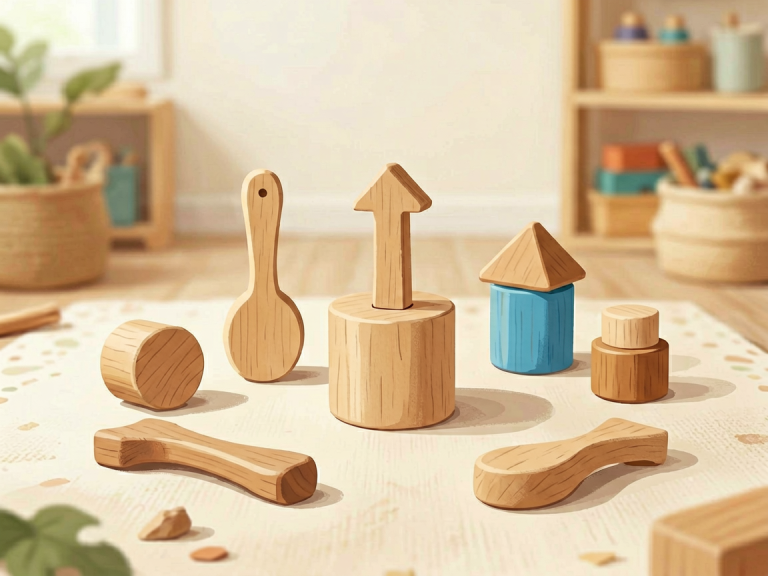
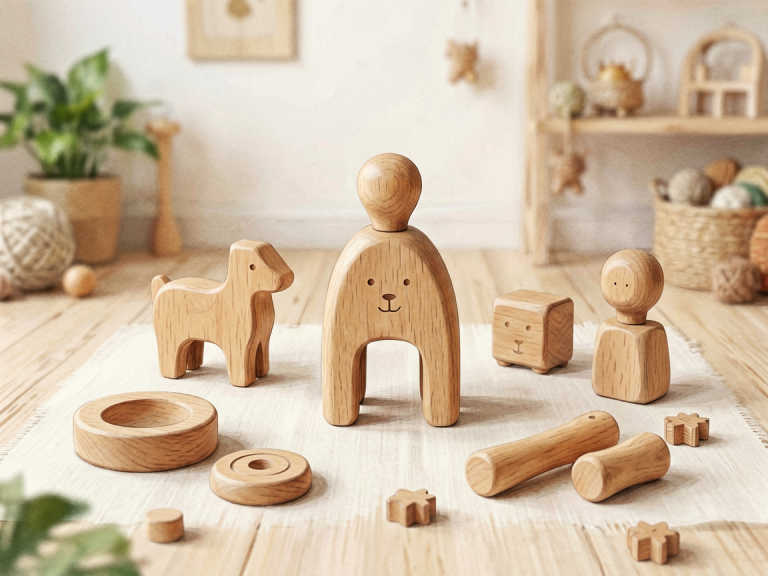
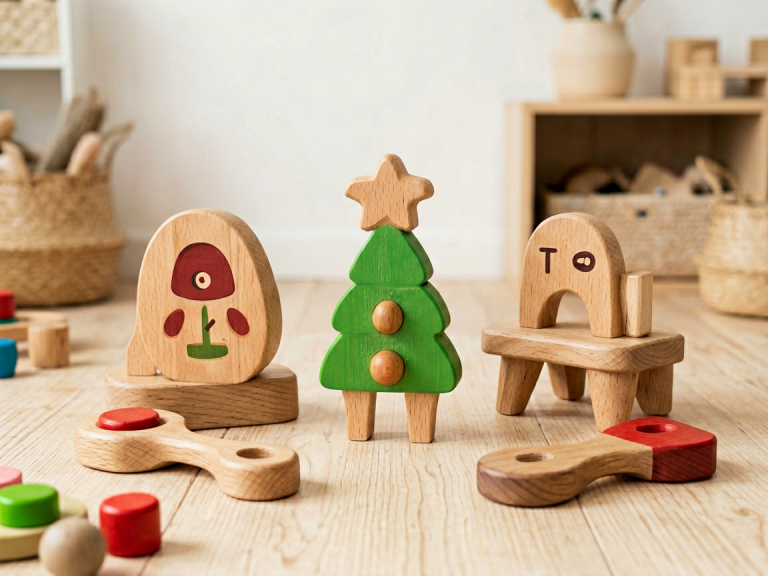
Given the magnitude of the problem, it is clear that individual and systemic changes are needed. On a personal level, parents can adopt a “quality over quantity” approach. Instead of buying many cheap toys, invest in fewer, high‑quality, open‑ended items that encourage creativity—wooden blocks, art materials, dress‑up clothes, or simple board games. These types of toys have been shown to hold children’s interest longer and grow with them.
Another practical strategy is the “one‑in, one‑out” rule: when a new toy enters the house, an old one must leave (either donated, given away, or recycled). This helps control clutter and forces a conscious evaluation of each purchase. It also teaches children the value of letting go. Many families also benefit from a “toy rotation” system, where only a subset of toys is available at any given time, and the rest are stored away. This keeps toys feeling fresh and reduces decision fatigue.
Gift‑giving norms can also shift. Parents can communicate with relatives and friends, suggesting experiences (e.g., museum memberships, tickets to a play, or a subscription to a craft kit) rather than physical objects. For birthdays, a “no toy” party or a donation‑based celebration can be a meaningful alternative. Children can be involved in donating their own unused toys to shelters or hospitals, learning empathy and reducing waste.
On a broader scale, manufacturers and retailers bear responsibility. Toy companies should design for durability, repairability, and recyclability. Simple packaging, fewer single‑use plastics, and modular designs that allow part replacement would reduce the waste stream. At the same time, regulations could mandate clearer labeling about a toy’s environmental impact, similar to energy‑efficiency labels on appliances. Consumer education campaigns, perhaps sponsored by non‑profits or schools, can help families understand the true cost of unused toys—for their wallets, for the planet, and for their children’s development.
—
Conclusion
The problem of buying toys that children do not use is not a trivial annoyance; it is a multi‑faceted crisis that drains family finances, pollutes the environment, and undermines the quality of children’s play. It is driven by advertising, social expectations, and a culture of disposability. Yet there is hope: by making conscious choices, limiting the sheer volume of toys, and prioritizing meaningful, open‑ended play, families can break the cycle. The empty toy box—once a symbol of unfulfilled consumer promises—can be transformed into a container for creativity, connection, and real joy. The next time you reach for a new toy, pause and ask: Will this be loved, or will it be another ghost in the closet? The answer may change everything.