How to Avoid Toy Clutter: Practical Tips for a Tidy, Joyful Home
Toy clutter is one of the most persistent challenges for families with young children. What begins as a thoughtful gift or a well-intentioned purchase can quickly multiply into an avalanche of plastic, fabric, and noise. Beyond the visual chaos, toy clutter contributes to stress for parents, overstimulation for children, and a constant battle for floor space. The good news is that with intentional strategies, you can break the cycle. This article offers a comprehensive guide to avoiding toy clutter—not by eliminating toys entirely, but by creating a system that respects both play and peace.
Understand the Root Causes of Toy Clutter
Before diving into solutions, it helps to recognize why toy clutter happens. Parents are often driven by love, guilt, or social pressure. Grandparents and friends give gifts freely. Sales and marketing exploit our desire to see children happy. And once toys are in the home, they rarely leave. The first step is to adopt a mindset shift: toys are tools for development, not objects to accumulate. When you view each toy as a choice rather than a default, you begin to curate rather than collect.
Implement a "One In, One Out" Rule
This is the most effective long-term strategy. Establish a household rule that for every new toy that enters the home, one old toy must leave. This can be done through donation, gifting to a younger sibling, or responsible recycling. The rule applies not only to purchases but also to birthday gifts, holiday presents, and party favors. Teach your child that saying goodbye to a toy is an act of generosity, not loss. To make it concrete, keep a designated "outbox" in a closet. When a new toy arrives, your child selects one to place in the box. At the end of each month, the box is taken to a charity or thrift store.
Rotate Toys to Reduce Visible Clutter
Children do not need access to all their toys at once. In fact, having too many choices can lead to decision fatigue and shorter attention spans. Toy rotation is a proven method. Divide toys into three or four groups, each stored in a closed bin. Keep only one group accessible at a time. Every two to four weeks, swap the groups. The "new" batch feels exciting even though the toys are old. This reduces the amount of clutter on shelves and floors, and it prolongs the lifespan of toys because children play with them more deliberately. Store the rotation bins in a closet, garage, or under a bed—out of sight and out of mind until it’s time for the swap.
Choose Quality Over Quantity
The quickest way to avoid clutter is to buy fewer toys, but that doesn’t mean denying your child joy. Invest in open-ended toys that encourage creativity and have multiple uses. Wooden blocks, magnetic tiles, art supplies, and simple dolls or cars can spark hours of imaginative play. These toys are durable, aesthetically pleasing, and far less likely to end up broken and discarded. When you purchase fewer, higher-quality items, you naturally have less to store. Also, resist the urge to buy toys that come with many small pieces or that are marketed as "educational" but are actually single-use. The best toys are those that your child returns to again and again.
Create a Play Zone with Clear Boundaries
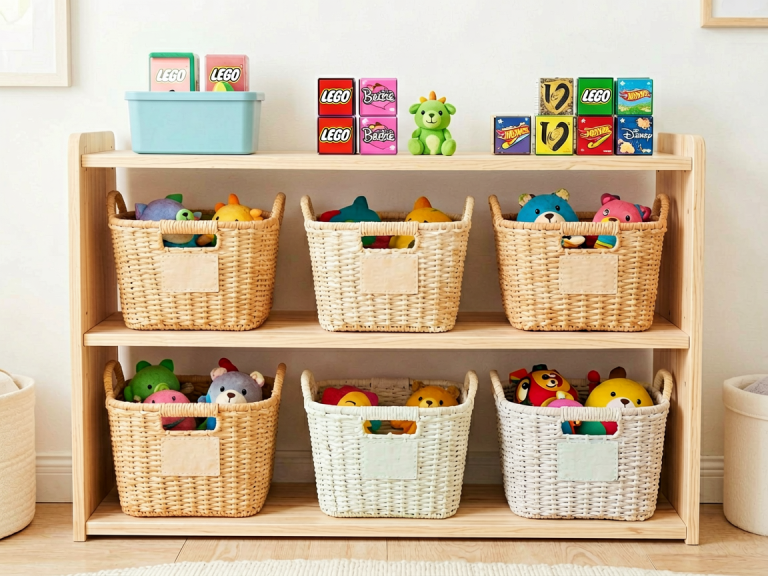
Designate a specific area of your home for play. This could be a corner of the living room, a playroom, or even a portion of the child’s bedroom. Use furniture like low shelves, bins, and baskets to define the space. The rule is simple: toys stay inside the play zone. If a toy leaves the zone, it gets returned before the next toy comes out. This helps prevent the "toy migration" that spreads clutter throughout the house. Within the zone, use labels and low shelving so your child can see and reach their toys without dumping everything onto the floor. Clear boundaries also teach spatial awareness and respect for shared living spaces.
Adopt a "Less is More" Gift-Giving Philosophy
Birthdays and holidays are major sources of toy clutter. Communicate with family and friends about your preference for experience gifts, consumables, or contributions to a savings account. For example, suggest a zoo membership, art class, or a day at the aquarium. If physical gifts are unavoidable, ask for a specific list of needed items, such as art paper, puzzles with missing pieces, or new socks. You can also propose a "gift limit" (e.g., three presents per child) or a "one gift from each person" rule. For parties, consider a "no gift" party or a book exchange. Many parents will welcome the clarity because they, too, are overwhelmed by clutter.
Teach Kids to Declutter Regularly
Children as young as three can participate in toy organization. Make it a weekly or monthly routine. Use a simple system: go through toys together, and sort them into three piles—love it, maybe, and goodbye. The "maybe" pile goes into a box and is stored for one month. If the child doesn’t ask for any of those toys during that month, they can be donated. This reduces the emotional difficulty of parting with toys and gives the child a sense of control. Over time, children learn that letting go is safe and even freeing. They also become more thoughtful about what they truly want to keep.
Limit Multiples and Trend-Based Toys
One doll is enough. One set of building blocks is enough. When you buy multiple versions of the same type of toy (e.g., four dollhouses, six puzzles), you create redundancy and clutter. Similarly, avoid toys tied to movies, TV shows, or fads. These toys often have a short shelf life—once the hype fades, they become forgotten plastic. Instead, focus on timeless playthings. If your child is obsessed with a specific character, consider books, clothes, or a simple figurine rather than the entire merchandise line. And never buy a toy "just in case" or "for later." Buy only for the present need.
Use Smart Storage Solutions
The right storage can make or break your clutter-avoidance efforts. Choose clear, stackable bins so you can see contents without digging. Use trays for puzzles and craft supplies. Install wall-mounted shelves to keep toys off the floor. For small items like LEGO bricks or doll accessories, use compartmentalized boxes or even repurposed ice cube trays. Label everything—both with words and pictures for non-readers. The key is to make putting away as easy as taking out. If storage is inconvenient, toys will stay scattered. Also, avoid toy boxes that are deep and bottomless; they encourage dumping and make it hard to find anything.
Schedule a Weekly Clean-Up Time
Incorporate a consistent clean-up ritual into your daily or weekly routine. For example, before dinner every evening, set a timer for 10 minutes and have the whole family participate. Play upbeat music. Turn it into a game: "How many toys can we put away before the song ends?" Reward effort, not perfection. On weekends, do a deeper sweep: check under furniture, in cracks, and in the car. The goal is not to have a spotless house but to keep the toy collection manageable. When cleaning is a shared habit, clutter doesn’t have time to accumulate.
Consider Toy Libraries and Borrowing
An innovative way to avoid owning too many toys is to borrow them. Many communities have toy libraries where you can check out puzzles, games, and playsets for a few weeks. This gives your child variety without the permanent clutter. Similarly, organize toy swaps with other families. Host a seasonal event where everyone brings gently used toys and trades. Your child gets the thrill of something "new" without any money changing hands. After the swap, any remaining toys go to charity. This reduces waste and builds community.
Resist the "Souvenir Trap"
Trips to the zoo, museum, or even the grocery store often end with a request for a small toy. These impulse purchases add up quickly. Set a no-toy policy for routine outings. For special occasions, allow a single souvenir—but make sure it’s something that will be used, like a book, a practical item (a water bottle, a backpack patch), or a memory you capture with a photo. Explain to your child that experiences are more valuable than objects. Over time, they will learn to appreciate moments rather than things.
Develop a "Toy Detox" Ritual
Every season, regardless of whether toys have grown, do a thorough declutter. Pull everything out of shelves and bins. Wipe down surfaces. Inspect each toy for broken parts, missing pieces, or stains. Pitch anything damaged. Donate anything that no longer fits your child’s age or interests. This ritual prevents the slow creep of clutter and keeps the home feeling fresh. Involve your child by making it a fun event—perhaps with a snack and music. Frame it as a way to make room for new experiences, not as a punishment.
Final Reflections: More Play, Less Stuff
Avoiding toy clutter is not about being strict or depriving your child. It’s about reclaiming your home as a place of calm, where play happens naturally without the pressure of managing too many things. When toys are limited, children engage more deeply. They become more creative, more independent, and more appreciative. As a parent, you save time cleaning, money buying, and energy stressing. The tips above are not a one-time fix but a lifestyle shift. Start small—implement one or two strategies today. Over the coming months, you will notice a transformation. The floor will reappear. The playroom will invite rather than overwhelm. And your child will learn one of life’s most valuable lessons: that happiness is not found in the number of toys we own, but in how we choose to play with what we have.