The Toy Trap: Why Kids Don’t Play with Their Toys and a Smarter Buying Guide
Introduction
Every parent has experienced the same disappointment: you spend hours researching the “perfect” toy, wrap it with excitement, and watch your child open it with gleaming eyes—only to find it abandoned in a corner three days later. The toy bin overflows, yet your child insists they have “nothing to play with.” This phenomenon is so common that it has earned its own category of frustration: toys kids do not use. The reality is not that children are ungrateful or fickle; it is that the modern toy market, driven by flashy advertising and parental guilt, often produces items that fail to engage children’s natural play instincts. Understanding why toys go unused—and how to avoid this waste—is the first step toward a smarter, more sustainable toy-buying approach. This article explores the psychology behind unused toys, highlights common purchasing mistakes, and provides a practical, research-based toy buying guide that will save your money, your space, and your child’s attention span.
—
The Psychology Behind Unplayed Toys
To understand why children ignore toys, we must first understand how play works. Child development experts distinguish between two broad categories of play materials: “open-ended” toys and “closed-ended” toys. Open-ended toys—like blocks, art supplies, loose parts, and dolls without prescribed narratives—can be used in countless ways. They spark creativity, problem-solving, and sustained engagement. Closed-ended toys, such as battery-powered robots that perform a single function, electronic games with fixed outcomes, or playsets that dictate a specific storyline, offer little room for imagination. Once a child figures out the one “trick” the toy does, the novelty wears off rapidly.
Moreover, the sheer volume of toys in modern homes contributes to what psychologists call “choice overload.” A 2018 study published in *Infant Behavior and Development* found that toddlers who had fewer toys played more deeply and for longer stretches than those with an abundance of options. When a child faces a mountain of plastic, their brain struggles to select a starting point. The result is not more play but more browsing—picking up one item, dropping it, moving to the next, and eventually feeling overwhelmed, then bored.
Another key factor is the mismatch between a toy’s intended age and a child’s actual developmental stage. A toy that is too advanced frustrates; a toy that is too simple insults. Parents often buy “aspirational” toys—things they hope their child will grow into—only to find them gathering dust for months or years. Meanwhile, the perfect toy might be something as humble as a cardboard box, a set of wooden spoons, or a pile of nature treasures.
Finally, the role of screens and digital entertainment cannot be ignored. When a child’s brain is regularly flooded with fast-paced, high-contrast videos or app-based games, static toys feel boring by comparison. The toy industry itself exacerbates this by pushing “interactive” toys that mimic screen experiences, but these often fail to capture the same dopamine loops and are quickly discarded for the real thing.
—
Common Mistakes in Toy Buying
Despite good intentions, parents repeatedly fall into predictable traps when buying toys. Recognizing these errors is the first step toward changing habits.
1. Buying Based on Hype, Not Observation.
The most overpriced toy on the shelf is often the one advertised in every commercial. Licensed characters from movies or YouTube channels generate enormous demand, yet the toy itself is frequently a cheaply made figurine or a repetitive playset with limited replay value. Children request these toys because they see them repeatedly, not because they have a genuine, long-term interest in the object. A toy bought solely because “everyone has it” will likely be forgotten as soon as the next hyped item appears.
2. Overstocking the Toy Box.
Many parents treat toy shopping as a way to express love or to compensate for guilt about limited time. The result is a house full of clutter. Research shows that children actively play with only about 10 to 20 percent of their toys at any given time. The rest are noise. Rotating toys—storing some away and bringing them out later—can reignite interest, but if you never rotate, the sheer volume drowns out the truly engaging pieces.
3. Ignoring the Child’s Current Obsession.
Children go through intense, narrow phases of interest. A four-year-old may be obsessed with dinosaurs for six months, then suddenly switch to trains. Buying dinosaur toys during the peak of that interest is smart; buying a new train set before they have expressed any curiosity is a gamble. Yet parents often buy “variety” toys in an effort to expand horizons, which backfires when the child rejects the unfamiliar.
4. Prioritizing Looks Over Play Value.
Beautiful, decorative toys are made for adults, not children. A handcrafted wooden puzzle with intricate, non-repeating shapes might look lovely on a shelf, but if a toddler cannot grasp the pieces or if the puzzle offers no challenge, it becomes an expensive dust collector. Similarly, toys that require a parent’s constant supervision (large sets with many tiny parts, for example) are often left unused because the child cannot play independently.
5. Failing to Consider the “Third Zone.”
Play does not happen in a vacuum. It depends on the environment, the time of day, and the child’s energy level. A toy that is perfect for quiet, solo play may be ignored if it is placed in a noisy, high-traffic area. A construction set that requires a large, flat surface will go unused if the only play space is a cluttered rug. The physical context of the toy matters as much as the toy itself.
—
A Practical Toy Buying Guide
Armed with an understanding of why toys fail, we can now construct a smarter approach. This guide is based on advice from child-development experts, minimalism advocates, and hundreds of parent testimonials.
1. The 48-Hour Rule
Before buying any non-essential toy, wait 48 hours. If the child is still talking about it after two days—and if you can see a genuine, repeated interest that goes beyond a commercial—then consider purchasing. For online shopping, add the item to a “wish list” and revisit it a week later. Most impulse cravings fade quickly.
2. Prioritize Open-Ended Materials
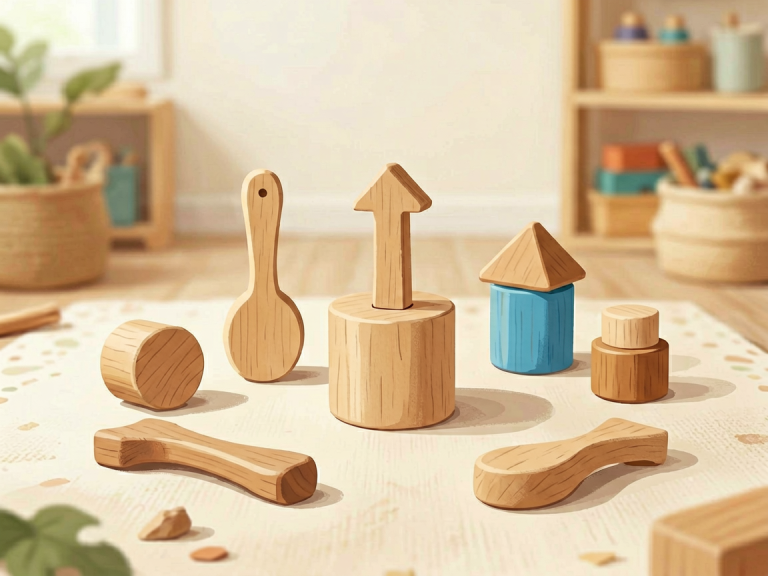
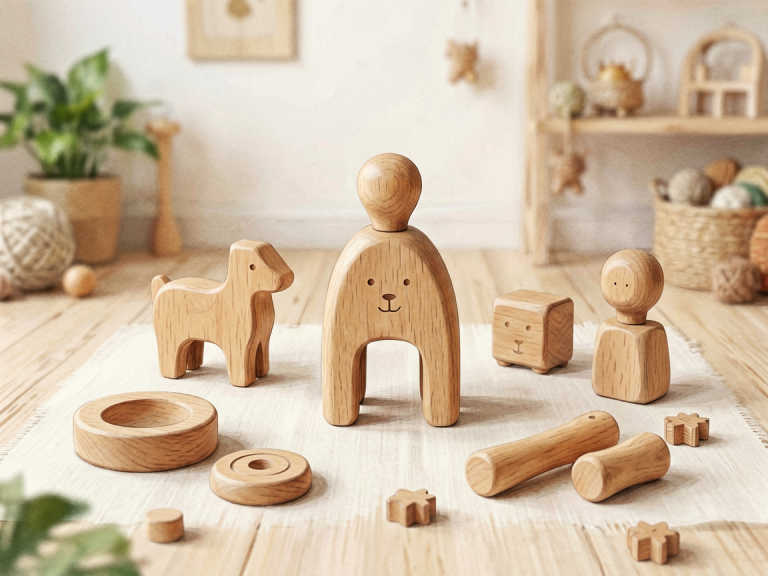
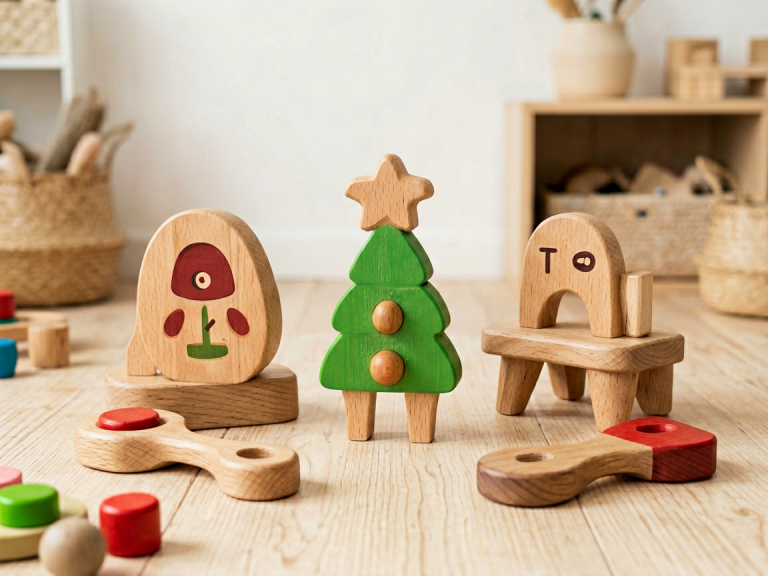
Invest in toys that can be used in multiple ways. Building blocks (wooden, magnetic, or interlocking), art supplies (crayons, clay, paint, paper), loose parts (buttons, beads, fabric scraps, bottle caps), and simple dolls or figures allow children to create their own narratives. A set of 50 wooden blocks will be played with for years; a single battery-powered car that beeps and flashes may entertain for an afternoon.
3. Match the Toy to the Child, Not the Label
Age recommendations on toy boxes are a rough guideline, but they often err on the side of caution or marketing. Watch your child. Do they enjoy small, fine-motor tasks? A simple threading set may be perfect. Do they love sorting? A set of colored counters. Do they prefer physical movement? A balance board or a soft climbing pillow. The best toy is the one that meets your child where they are developmentally right now, not where you hope they will be.
4. Embrace the “Less Is More” Rotation System
Keep only a small selection of toys accessible at any time—say, 15 to 20 items. Store the rest in a closet or under the bed. Every two to three weeks, swap out some toys. This rotation system keeps toys feeling fresh without overwhelming the child. It also reveals which toys your child truly gravitates toward; those are the ones worth keeping or replacing when worn out.
5. Buy Experience-Focused Toys, Not Stuff
Instead of a plastic playset, consider a subscription to a national park pass, a set of cooking tools for the kitchen, or a simple gardening kit. Experiences create memories and develop skills. Even within physical toys, look for those that encourage process over product: a marble run kit (endless configurations) rather than a pre-built marble track; a box of magnetic tiles rather than a pre-formed castle mold.
6. Source Secondhand Whenever Possible
Children outgrow toys quickly, and many are barely used. Thrift stores, garage sales, and online parent swap groups offer high-quality wooden toys, puzzles, and educational games at a fraction of retail price. Not only does this save money, but it also reduces waste. Importantly, buying secondhand forces you to be selective: you are less likely to buy junk when you have to drive to pick it up or sort through bins.
7. Observe, Then Buy
The ultimate toy buying guide is your own child. Spend time watching them play in unstructured moments. What do they gravitate toward? A child who loves to build may need more loose parts. A child who loves to pretend may need simple costumes or puppets. A child who loves to move may need a scooter, a balancing path, or a set of stepping stones. Buying toys based on genuine observation is the single most effective strategy to avoid unused purchases.
—
Long-Term Benefits of Mindful Toy Purchasing
Adopting a more intentional approach to buying toys is not just about saving money (though that is a welcome side effect). It carries profound benefits for the whole family.
Financial Savings – The average American family spends hundreds of dollars per year on toys that are quickly discarded. By buying fewer, better-chosen items, you can redirect that money toward experiences, books, or savings for education.
Environmental Impact – The toy industry produces massive plastic waste. Most toys are not recyclable and end up in landfills or oceans. Choosing durable, open-ended, and secondhand toys reduces your family’s ecological footprint significantly.
Deeper Engagement – Children with fewer toys develop stronger concentration, creativity, and problem-solving skills. They learn to invent their own games rather than relying on a toy to entertain them. This independence is a gift that lasts into adulthood.
Reduced Parental Stress – A tidy, uncluttered play space is easier to maintain and less overwhelming for parents too. No more stepping on stray LEGO bricks or tripping over battery-operated junk that no longer works. The calm environment benefits everyone.
—
Conclusion
The phenomenon of “toys kids do not use” is not a sign of spoiled children or bad parenting. It is a symptom of a consumer culture that prioritizes novelty over play value, quantity over quality, and advertising over observation. But you have the power to change that pattern. By understanding the psychology of play, recognizing common buying mistakes, and following a mindful toy buying guide, you can transform your home into a space where every toy truly earns its place. The next time you are tempted by a bright package or a viral toy trend, pause. Ask yourself: Will this item still be played with in a month? Can it be used in more than one way? Does it match my child’s true interests? The answer will often be no. And that is the best guide of all.
Choose less. Choose better. Watch your child play deeper.