The Ultimate Guide to Choosing LEGO-Style Bricks for 6-Year-Olds
Introduction
At age six, children are in a golden phase of development. Their fine motor skills have improved significantly, their imagination is exploding, and they are beginning to understand more complex instructions. LEGO-style bricks—whether the official LEGO brand or high-quality compatible alternatives—offer a perfect blend of fun, learning, and creativity. However, with endless themes, piece counts, and price points available, choosing the right set can be overwhelming for parents. This guide will walk you through every factor you need to consider, ensuring that the bricks you select will engage, educate, and delight your six-year-old.
Understanding the Developmental Stage of a 6-Year-Old
Before diving into product choices, it is essential to understand what a typical six-year-old is capable of and interested in. At this age, children:
- Have developed hand-eye coordination that allows them to snap smaller bricks together (though they may still struggle with very tiny pieces).
- Can follow multi-step instructions, but may become frustrated with overly complex sequences.
- Love imaginative play, storytelling, and role-playing.
- Are starting to read and count, so sets that incorporate numbers, letters, or simple building challenges are beneficial.
- Often enjoy collecting and organizing, so sets with multiple characters, vehicles, or animals appeal strongly.
Acknowledging these traits helps you choose sets that are neither too babyish (which bores them) nor too advanced (which frustrates them).
Safety First: Choosing the Right Material and Size
Safety is paramount for any toy. For LEGO-style bricks, always check:
- Brick size: For six-year-olds, standard LEGO System bricks (the classic 2×4 and similar) are fine. Avoid Duplo (too large and simple) and avoid micro-bricks designed for adults (pieces smaller than 4mm can be choking hazards even for older children, though most 6-year-olds are past the mouthing stage, it's still wise to stick to standard size).
- Material quality: Official LEGO bricks are made of ABS plastic, which is durable, non-toxic, and free from harmful phthalates. If choosing third-party brands, look for certifications like ASTM (USA), EN71 (Europe), or equivalent safety marks. Cheap unbranded bricks may have sharp edges, weak clutch power, or toxic dyes.
- Small parts warning: Even standard bricks can be swallowed if a child puts them in their mouth. Ensure your child understands not to chew on bricks. For safety, avoid sets that include tiny accessories (like weapon accessories or 1×1 studs that can easily come loose) if your child still puts things in their mouth.
Age-Appropriate Complexity: Striking the Right Balance
LEGO sets are labeled with age recommendations, but these can be misleading. For a 6-year-old:
- 4+ sets: Generally too simple. They involve large pieces and very few steps. Your child may finish in five minutes and lose interest.
- 6+ or 7+ sets: Ideal. These usually have 100–300 pieces, with clear instructions and some specialized pieces like wheels, windows, and simple mechanisms. They take 30–60 minutes to build, which holds attention without causing exhaustion.
- 8+ or 9+ sets: Possible if your child is a confident builder, but be prepared to help. Sets above 400 pieces with many technical elements (gears, axles) may lead to frustration.
A good rule of thumb: Start with sets that have no more than 250 pieces for a first experience. As your child builds confidence, you can gradually increase piece count.
Themes and Interests: Fueling Imagination
Six-year-olds have strong preferences. The right theme can turn building from a chore into a passion. Popular themes for this age group include:
- City & Community: Police stations, fire trucks, ambulances, and hospital sets. These allow role-playing real-life scenarios and can be combined with other sets.
- Animals & Nature: Farm, zoo, dinosaur, or jungle-themed sets. Perfect for children who love animals. Many come with simple habitats and animal figures.
- Movie & Character Licenses: LEGO has sets from *Star Wars*, *Harry Potter*, *Disney*, *Minecraft*, and *Super Mario*. If your child loves a particular franchise, these sets will be highly motivating. However, be careful: licensed sets often have many specialized pieces that limit creativity. Balance them with classic bricks.
- Classic Creative Boxes: The LEGO Classic line (e.g., 11022, 11019) contains a mix of bricks in various colors and shapes with no specific theme. These are excellent for open-ended play, encouraging free building and problem-solving.
- Vehicles & Trains: Cars, planes, boats, and trains are hugely popular. Sets with moving parts (wheels, propellers) add extra excitement.
Consider your child’s specific interests. If they are obsessed with dinosaurs, a dinosaur-themed set will be a hit. If they love building houses, consider a “modular” style set that allows expansion.
Set Size and Versatility: More Isn’t Always Better
A common mistake is buying a massive 1,000-piece set thinking it will provide hours of fun. For a six-year-old, a very large set can be overwhelming. The building process may take days and lose its appeal. Instead, consider:
- Multiple smaller sets (100–200 pieces each) that can be rebuilt and combined. For example, three City sets (a car, a helicopter, and a small building) offer more play value than one giant castle.
- Compatibility: All standard LEGO bricks are compatible across themes and generations. Choose sets that can be mixed to create new things. A City car and a Creator house can be used together in a custom scene.
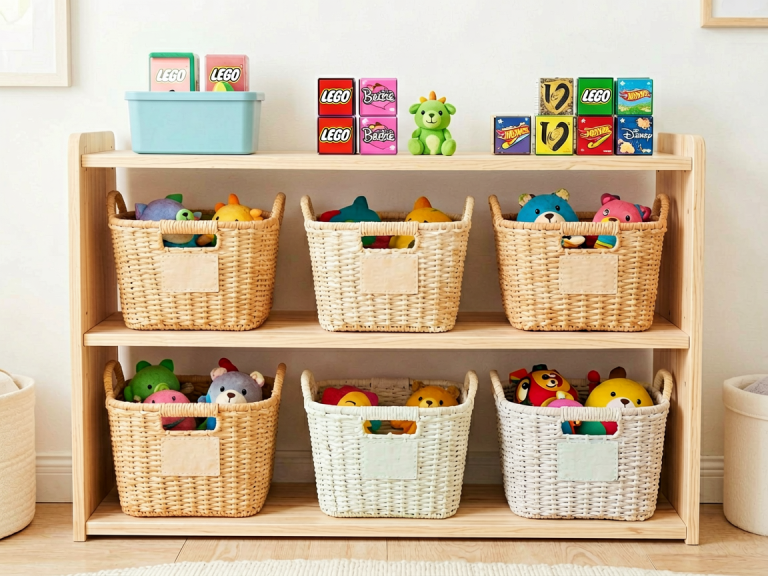
- Storage and organization: When you have many bricks, invest in a sorting box with compartments. This teaches organization and makes it easier for a child to find the piece they need.
Educational Value: Learning Through Play
LEGO bricks are not just toys; they are powerful educational tools. Look for sets that subtly reinforce skills:
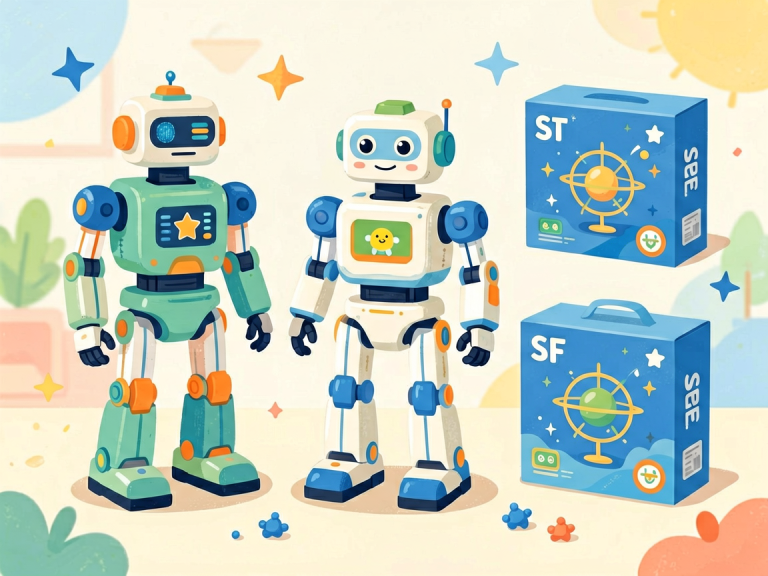
- STEM learning: Sets with gears, pulleys, or simple machines (like LEGO Technic 5+ or LEGO Boost) introduce basic engineering concepts. However, for a 6-year-old, starting with simple Technic sets (e.g., a pull-back motor car) is better than complex robotics.
- Counting and sorting: Bricks naturally teach counting (how many 2×4 bricks do you have?), pattern recognition, and symmetry. Classic Creative boxes are excellent for this.
- Storytelling and language: Sets with multiple characters and backgrounds encourage children to create narratives. Ask your child to tell you a story about their build—this boosts vocabulary and sequencing.
- Patience and perseverance: Following instructions to complete a set teaches focus and delayed gratification. Celebrate the finished model, but also encourage rebuilding it into something new.
Budget and Brand Considerations: Official vs. Compatible
Official LEGO bricks are expensive, but they offer unmatched quality: consistent clutch power, vibrant colors, and excellent customer service. For a six-year-old, official sets are often worth the investment because they last for years and can be passed down.
However, many compatible brands (e.g., Sluban, Lepin, Cobi, or Mould King) offer similar quality at a fraction of the price. If you choose a compatible brand:
- Stick to established brands with good reviews.
- Check that the bricks are fully compatible with LEGO (some have slight size differences that make them frustrating to use together).
- Avoid very cheap generic sets from unknown sellers; they may have poor plastic quality, weak connections, or missing pieces.
A practical strategy: Buy one or two official LEGO sets for special occasions (birthdays, holidays) and fill in with affordable compatible bricks for bulk play.
Tips for Maximizing Play Value
Once you’ve chosen the bricks, how you introduce them matters:
- Build together: At least for the first few times, sit with your child and help them follow instructions. This builds confidence and bonding.
- Encourage customization: After building the set once, challenge your child to modify it (e.g., “Can you add a second floor to the house?” or “Let’s turn this car into a monster truck.”).
- Rotate sets: Keep some sets stored away and rotate them every few weeks to maintain novelty.
- Join a community: Online groups or local LEGO clubs can inspire new ideas and even allow trading or borrowing of sets.
Conclusion
Choosing LEGO-style bricks for a six-year-old is not about buying the most expensive or the biggest set. It is about understanding your child’s abilities, interests, and attention span. Prioritize safety, choose an appropriate complexity level, and select themes that spark their imagination. Remember that the best set is one that can be built, rebuilt, and integrated into a world of creative play. The goal is not just to follow instructions, but to empower the child to become a builder, an inventor, and a storyteller. With the right bricks in hand, your six-year-old will not only have fun—they will develop skills that last a lifetime.
*Word count: ~1,050*