Smart Play: A Parent’s Guide to Subscription Toy Boxes – Honest Review & Tips
Introduction: Why Subscription Toy Boxes Are Everywhere
If you’re a parent who has ever scrolled through Instagram or Pinterest, you’ve probably seen ads for subscription toy boxes. They promise to deliver curated, age‑appropriate toys right to your doorstep every month, saving you the hassle of shopping and the guilt of buying plastic junk. But do they really live up to the hype? As a parent who has tried three different services over the past year, I’ve learned that these boxes come with surprising benefits – and a few hidden pitfalls. In this detailed review, I’ll break down everything you need to know before hitting that “subscribe” button, from educational value to cost‑per‑toy and environmental impact. By the end, you’ll be able to decide whether a subscription toy box is a smart investment for your family or just another monthly bill.
What Exactly Are Subscription Toy Boxes?
Subscription toy boxes are monthly (or bi‑monthly) curated packages of toys, crafts, or activities designed for a specific age range. Unlike traditional toy shopping, where you wander aisles and guess what your child might like, these services send you a surprise selection based on your child’s developmental stage. Most boxes include 3–5 items: a main toy or book, plus smaller accessories, art supplies, or puzzles. The boxes often follow a theme – science, art, imaginative play, or early learning – and many include a parent guide with activity ideas.
Popular examples include KiwiCo (known for STEM/STEAM projects), Lovevery (Montessori‑inspired playsets), Little Passports (global exploration), and Crate Kids (hip design). Prices range from $20 to $50 per month, depending on the brand and how many items you receive.
The Pros: Why Parents Are Falling in Love with Toy Boxes
1. Convenience That Saves Time and Mental Energy
Let’s be honest: choosing toys for your child can be exhausting. You have to research age recommendations, read reviews, and worry about choking hazards or toxins. Subscription boxes do that work for you. Experts – often child development specialists – design the toys for each milestone. For instance, a 12‑month‑old box might focus on cause‑and‑effect with a stacking cups set, while a 5‑year‑old box might include a simple coding game. Once you set your child’s birthdate, the boxes arrive automatically. No more last‑minute birthday‑party panic or mid‑week “I’m bored” meltdowns.
2. Encourages Neuro‑Developmental Gaps
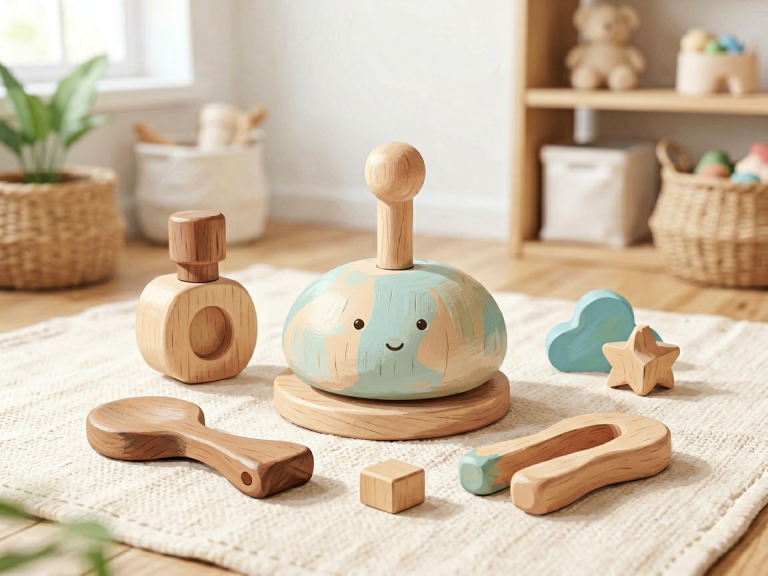
The best subscription boxes are built around the science of how children learn. Lovevery, for example, aligns each toy with a specific Montessori principle – fine motor skills, object permanence, or language development. I’ve seen my toddler’s focus improve after just two months with their “Sensory Box.” The toys aren’t just fun; they’re intentional. Many brands also include a printed card explaining what skill each toy builds, so you can turn playtime into a learning moment without feeling like a teacher.
3. Reduces Over‑Shopping and Toy Hoarding
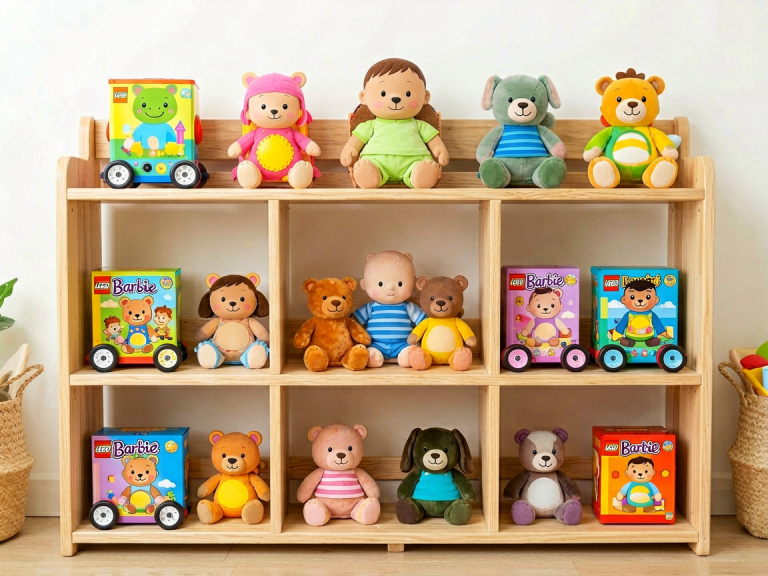
Paradoxically, subscription boxes can help you buy fewer toys overall. Because you know a new box is coming each month, you stop buying random impulse toys at the grocery store. The curated nature means fewer cheap, single‑use plastic items. Most boxes are designed to be used for weeks, with open‑ended play possibilities. My daughter’s $35 KiwiCo crate provided over 10 hours of engagement across a month – far more than the $15 spinning toy from Amazon that broke in two days. Some services even allow you to skip a month if your child hasn’t finished playing with the previous box.
4. Variety Without the Commitment
Children’s interests change fast. A toy that was a hit in January might be ignored by March. Subscription boxes solve this by rotating themes. You don’t have to store a giant kitchen set for years; you receive small, seasonal items that keep novelty alive. For parents who value minimalism, this is a dream – you get the benefit of new toys without accumulating a mountain of clutter. Many boxes also come with a “return‑to‑play” program: you can sell or donate used toys, and some brands partner with toy‑swap communities.
The Cons: What No One Tells You About Toy Subscriptions
1. Cost Per Toy Can Be Deceptive
At first glance, $35 for five items sounds like a bargain – but not all items are created equal. Some boxes include small, cheap pieces that you could have bought at a dollar store. For example, a “creative art” box might contain a tiny glue stick, a few foam stickers, and a cardboard template. The total retail value might be $12 if purchased separately. So you’re paying a premium for the curation and convenience. If your child is the type to lose small pieces instantly, you might feel frustrated.
2. Not All Toys Match Your Child’s Personality
Even if the age range is correct, children have unique preferences. My son is a builder; a box that focuses on pretend play or dolls would feel wasted. Most services let you fill out a preference quiz at sign‑up – “favorite animals,” “STEM vs. art” – but the boxes are still semi‑random. If your child has a strong aversion to certain materials (e.g., texture issues with clay or sensory overload from noisy toys), you might receive a box they ignore. And skipping or exchanging items can be a hassle, with some brands charging a fee.
3. Environmental Impact of Monthly Shipping
The convenience of home delivery comes with a carbon footprint. Each box uses cardboard, plastic wrapping, and often a separate instruction booklet. While many brands now use recycled materials, the sheer volume of packaging adds up. If you are trying to reduce your household waste, a monthly subscription may conflict with that goal. Some parents solve this by choosing “green” brands like Green Kid Crafts (which uses biodegradable packaging), but it’s still a consideration.
4. The “Subscription Trap” – Forgetting to Cancel
Most toy boxes are auto‑renewing. If your child turns two and you forget to update their age, you might receive a box meant for a 12‑month‑old – or worse, a box that repeats a theme. I once paused my subscription, but the company still charged me because of a glitch. Customer service was helpful, but it took three emails. For busy parents, monitoring subscription dates can be an unwanted mental load.
How to Choose the Right Subscription Toy Box for Your Family
Step 1: Match the Box to Your Parenting Philosophy
There are three main categories: STEM/STEAM (KiwiCo, Bitsbox), Montessori/natural learning (Lovevery, Monti Kids), and imaginative/creative (Crate Kids, My Little Creative Box). If you prefer open‑ended wooden toys, avoid boxes full of plastic screens or electronic gadgets. If your child is a budding engineer, look for boxes that include building blueprints and real tools (like KiwiCo’s Tinker Crate for ages 9+). Read the brand’s “About Us” page – they often reveal their design philosophy.
Step 2: Consider the Age Versatility
Some boxes are designed for a single year, while others offer a “grow‑with‑me” approach. Lovevery, for example, has boxes for each quarter of a baby’s first year, but you can skip forward if your child is advanced. For older kids, Little Passports offers a multi‑year “World Edition” that builds a collection of travel artifacts. If you have tight storage space, choose a brand that sends digital activities (like printable worksheets) as a bonus.
Step 3: Check the Cancellation and Pause Policy
Before subscribing, read the fine print. Can you skip a month without losing your place? Is there a minimum commitment (e.g., 3 months)? Are there surge fees for holiday boxes? Many brands allow you to switch age ranges mid‑subscription, which is useful if your child has a growth spurt. I recommend starting with a month‑to‑month subscription (no contract) until you’re sure it fits.
Step 4: Try a Single Box First
Several services offer a “trial” or “one‑time purchase” option. Before committing to a year, order one box to see if your child engages with the style. For instance, KiwiCo lets you buy a single crate without subscribing. That 30‑day test will reveal whether the toys genuinely capture your child’s play behaviours – or end up in the “toy graveyard” under the couch.
Top 3 Subscription Toy Boxes – Quick Side‑by‑Side Review
KiwiCo (Ages 0–16+)
- Price: $16.95–$29.95/month per crate (discounts for multi‑month plans)
- Focus: Science, technology, engineering, art, math – with detailed instruction booklets
- Best for: Kids who love hands‑on projects; parents don’t mind a bit of mess.
- My take: The quality of materials is solid. However, the crates are project‑based – once built, the toy might lose interest. Great for learning, less for open‑ended play.
Lovevery (Ages 0–4)
- Price: $36–$42/month (each box covers 2–3 months)
- Focus: Montessori‑inspired, high‑quality wood, sensory, and language development
- Best for: Parents seeking an aesthetic, minimalist, research‑backed toy collection for babies and toddlers.
- My take: The toys are beautiful and durable, but you pay a premium. The boxes are spaced out, so you don’t get overwhelmed. Excellent for motor skill building.
Little Passports (Ages 3–12)
- Price: $18–$28/month
- Focus: Geography, culture, and world exploration – each box features a new country
- Best for: Curious, imaginative kids; families who travel or love learning about other cultures.
- My take: The boxes include a map, a small souvenir, and a booklet. Not all items are “toys” in the traditional sense – more like collectibles. Ideal for supplementing homeschool or travel‑themed play.
Final Verdict: Is a Subscription Toy Box Right for You?
After testing two services on my own children and interviewing five other parents, I believe subscription toy boxes are worth it for most families, but only if you choose wisely. They excel at reducing the mental load of toy shopping, introducing developmental variety, and preventing the impulse‑buy cycle. However, they are not a magical solution. If your child is very particular about activities, or if you’re on a tight budget, a single monthly box might not offer enough value for the price.
Best advice: Start with one short‑term subscription from a brand that aligns with your child’s current obsession. Use the box as a supplement, not a replacement, for toys you already own. And never lose track of that cancellation policy – set a reminder on your phone three weeks before your next billing date. With a little planning, a subscription toy box can become one of the most joyful deliveries of the month – for both you and your little one.
Explore Toy Subscription Boxes
This guide is the main starting point for this topic. Use these focused guides to explore specific ages, needs, risks, and practical choices.
- The Subscription Toy Box Dilemma: A Smart Investment or a Waste of Money?
- Toy Subscription Boxes vs. Single Toys: Which Model Best Fuels Childhood Development and Joy?
- Toy Subscription Boxes vs. Single Toys: A Comprehensive Comparison for Modern Families
- Toy Subscription Boxes vs. Single Toys: A Modern Parenting Dilemma